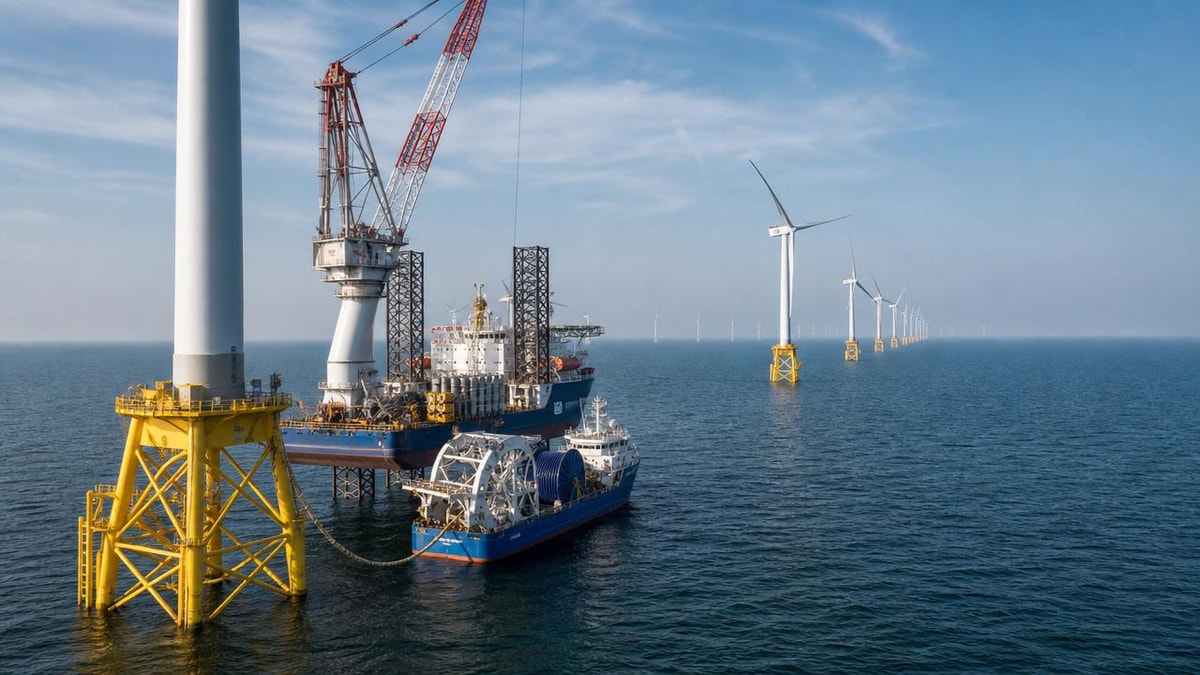
Floating Solar Farms: The Hidden Tradeoffs Behind Water Savings
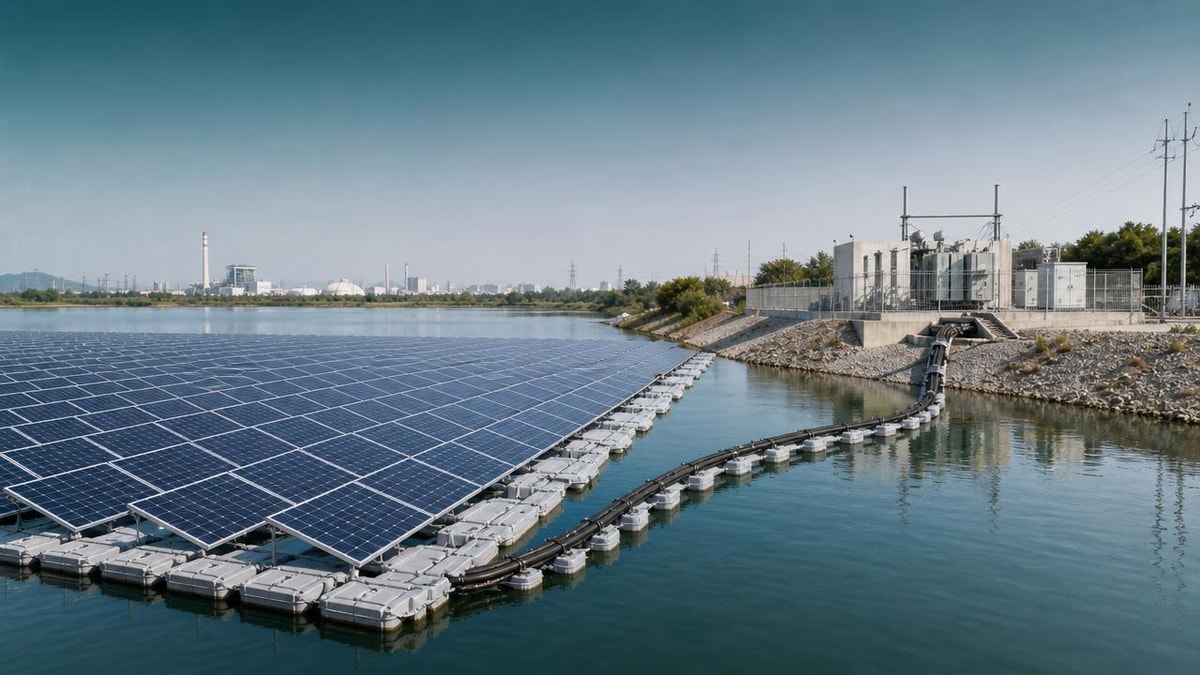
Floating solar farms are often praised for reducing land use and limiting water evaporation, but the full business case is more complex. For enterprise decision-makers evaluating green energy investments, hidden tradeoffs around installation costs, grid integration, maintenance, and ecosystem impact can significantly affect long-term returns. Understanding these less visible factors is essential before treating floating solar as a scalable sustainability solution.
Why the market conversation around floating solar farms is changing
The market narrative around floating solar farms has shifted from early-stage enthusiasm to more disciplined evaluation. A few years ago, the dominant message was simple: put solar panels on reservoirs, avoid land conflict, reduce evaporation, and expand renewable capacity without competing with agriculture or industrial development. That framing still matters, but procurement leaders and energy strategy teams are now asking harder questions about lifecycle economics, asset reliability, environmental compliance, and integration risk.
This change is being driven by a broader pattern across green energy investment. Boards and capital committees are no longer satisfied with technology novelty or strong sustainability optics alone. They want predictable yield, manageable operating costs, resilient supply chains, and a clear route to grid value. In that context, floating solar farms are moving from a niche innovation story into a more complex infrastructure decision.
For enterprise decision-makers, that is the key trend signal: floating solar is not disappearing, but it is being reclassified. Instead of being treated as a universally attractive extension of conventional PV, it is increasingly assessed as a site-specific asset class with distinctive engineering, operational, regulatory, and stakeholder risks.
The strongest drivers behind adoption are real, but they do not tell the whole story
The adoption case for floating solar farms remains compelling in several contexts. Water bodies near industrial zones or utilities can unlock underused surfaces. In land-constrained regions, floating installations may help companies avoid expensive site acquisition and lengthy land-use disputes. In drought-sensitive areas, reduced evaporation can strengthen the sustainability case, especially where water security is tied to industrial continuity.
There is also a practical strategic benefit. Many reservoirs and treatment ponds are already linked to power-consuming infrastructure, including utilities, water operators, mines, and industrial campuses. That proximity can improve on-site consumption models and support decarbonization targets with visible operational relevance.
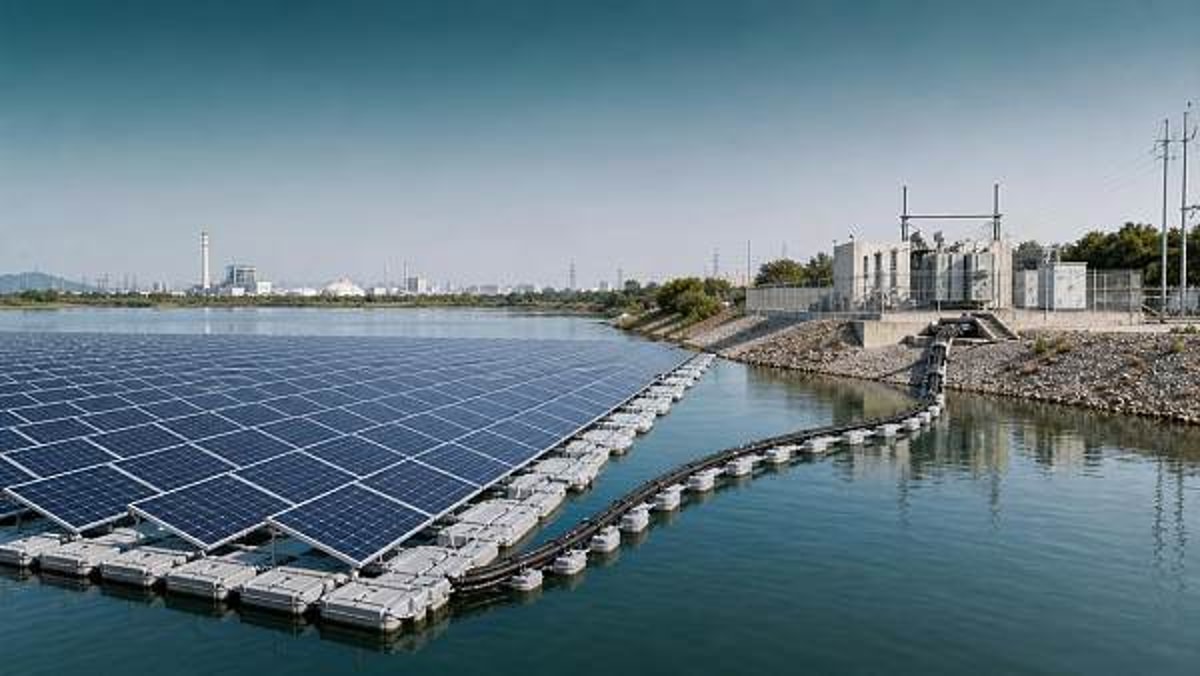
Yet these drivers often mask the fact that floating solar farms introduce a different cost and risk profile than ground-mounted systems. Anchoring systems, floating structures, corrosion-resistant materials, specialized electrical protection, marine-style maintenance methods, and variable water conditions all influence the total cost of ownership. In other words, the market is learning that the advantages are genuine, but not automatically low-risk.
Key trend signals shaping project evaluation
These signals do not weaken the relevance of floating solar farms; they simply indicate that the technology is entering a more mature and scrutinized phase.
The hidden tradeoffs are increasingly operational, not just technical
One of the biggest shifts in market understanding is that the tradeoffs behind floating solar farms are no longer viewed as isolated engineering issues. They are operational variables that influence procurement strategy, financing confidence, and long-term performance assurance.
Installation is a clear example. A floating array may save land, but that saving can be partly offset by higher structural and deployment complexity. Site surveys must account for depth variation, seasonal water level changes, sediment conditions, wave action, and anchoring constraints. Each factor can alter engineering scope and contingency budgets.
Maintenance is another underappreciated area. While cooler panel temperatures may support output performance in some environments, access for cleaning, inspection, cable repair, and inverter servicing can be more difficult than on land. Safety protocols may also be stricter, requiring water-access procedures, specialized equipment, and different contractor capabilities.
Then comes degradation risk. Constant humidity, reflected sunlight, floating movement, and harsher exposure conditions may influence wear across connectors, mooring components, floats, and electrical systems. Enterprises that focus only on initial generation forecasts can miss the strategic importance of parts replacement cycles, maintenance downtime, and warranty alignment.
Grid integration is becoming a decisive factor in the business case
Across the energy sector, generation capacity alone no longer guarantees project value. This is especially true for floating solar farms. The business case increasingly depends on when power can be delivered, how much can be consumed on-site, and whether the local grid can absorb additional intermittent supply without costly delays or curtailment.
For industrial operators, a reservoir-based solar installation may seem naturally close to energy demand, but electrical integration still requires detailed planning. Substation capacity, cable routing, protection systems, load matching, and storage options can materially affect economics. In some cases, the waterbody location is physically convenient but electrically inefficient.
This is why floating solar farms are increasingly evaluated alongside storage, digital energy management, and flexible procurement structures. The future value of these projects may depend less on panel count and more on whether the asset is part of a broader energy architecture that reduces grid exposure and improves load alignment.
Where hidden costs most often emerge
Environmental benefits are real, but ecosystem scrutiny is rising
One reason floating solar farms attracted fast attention is their alignment with resource efficiency narratives. Less land conversion and reduced evaporation are valuable signals in a climate-constrained world. However, regulators, local communities, and corporate sustainability teams are beginning to ask more detailed questions about what happens below the array, not just above it.
Partial surface coverage can change light penetration, water temperature patterns, oxygen dynamics, and habitat conditions. The exact impact varies by reservoir type, climate, coverage ratio, and water use. For drinking water reservoirs, irrigation systems, mining ponds, and industrial basins, the assessment criteria may differ significantly. That means decision-makers should avoid assuming that all water bodies are equally suitable for floating solar farms.
This matters from both a compliance and brand perspective. A project that improves emissions metrics but creates local ecological controversy may weaken ESG credibility rather than strengthen it. The trend is clear: sustainability claims are being tested against broader environmental performance, not single-issue benefits.
Different stakeholders feel the impact in different ways
The rise of floating solar farms affects more than energy teams. It changes how multiple business functions evaluate risk, timing, and value. That is why cross-functional governance is becoming more important in project screening.
What enterprise decision-makers should watch over the next phase
The next phase of the floating solar farms market will likely be defined by selectivity rather than broad acceleration. High-quality projects will still move forward, especially where land is scarce, water infrastructure is stable, and on-site power demand is substantial. But weaker projects may struggle if they depend on optimistic assumptions about maintenance, permitting speed, or grid access.
Several signals deserve close attention. First, monitor whether project developers can demonstrate repeatable O&M practices rather than one-off pilot success. Second, assess whether component supply chains are mature enough to support long-term serviceability. Third, examine the regulatory direction for water-use assets, especially where public resources or sensitive ecosystems are involved. Finally, watch how floating solar farms are bundled with storage, digital monitoring, and hybrid power strategies. That combination may become the real source of value.
A practical decision framework for evaluating floating solar farms
For companies considering floating solar farms, the right response is not hesitation for its own sake. It is sharper screening. The strongest business outcomes usually come from asking disciplined questions before the technology is framed internally as an obvious win.
Start with site reality rather than sustainability branding. Is the water body technically stable, operationally accessible, and legally straightforward? Then test the electrical case. Will the project reduce purchased energy exposure in a meaningful way, or will grid limitations dilute the benefit? After that, evaluate serviceability. Can the asset be maintained safely and economically over its full life, with credible suppliers and realistic spare-parts assumptions?
It is also wise to run downside scenarios. How does the return model change if installation costs rise, interconnection is delayed, or maintenance frequency exceeds the original plan? Floating solar farms can still deliver strategic value, but only when the project structure is resilient under less favorable conditions.
Final judgment: promising, but not universally scalable without deeper diligence
The current trend does not suggest that floating solar farms are overhyped in every case. It suggests something more useful for business leaders: the market is becoming honest about where the technology works best and where hidden tradeoffs can erode value. That is a sign of maturity, not failure.
For enterprise decision-makers, the most important shift is to treat floating solar farms as a strategic infrastructure option that requires integrated judgment across engineering, finance, operations, sustainability, and procurement. If your organization wants to understand how this trend could affect its energy roadmap, focus on a few critical questions: Is the site genuinely suitable? Is the grid pathway secure? Are lifecycle service assumptions realistic? And does the environmental case remain strong after full local review?
Those questions will do more than validate a project. They will reveal whether floating solar farms fit your long-term business model, or simply look attractive at first glance.
Get weekly intelligence in your inbox.
No noise. No sponsored content. Pure intelligence.
 May 07, 2026Sustainable Building Materials That Cut Carbon Without Cutting DurabilitySustainable Building Materials That Cut Carbon Without Cutting Durability
 May 07, 2026Green Hydrogen Production: What Decides Whether a Project ScalesGreen Hydrogen Production: What Decides Whether a Project Scales
 May 07, 2026Wind Turbine Blades: Why Repairs Cost More Than PlannedWind Turbine Blades: Why Repairs Cost More Than Planned
 May 07, 2026Folding Solar Chargers: What Real Output Looks Like OutdoorsFolding Solar Chargers: What Real Output Looks Like Outdoors
 May 07, 2026Vehicle to Grid Revenue Looks Attractive, but What Are the Limits?Vehicle to Grid Revenue Looks Attractive, but What Are the Limits?
 May 07, 2026Wireless EV Charging Sounds Easy, So Why Is Adoption Slow?Wireless EV Charging Sounds Easy, So Why Is Adoption Slow?
 May 07, 2026Floating Solar Farms: The Hidden Tradeoffs Behind Water SavingsFloating Solar Farms: The Hidden Tradeoffs Behind Water Savings
 May 07, 2026Geothermal Heat Pumps: Why Installation Quotes Differ So WidelyGeothermal Heat Pumps: Why Installation Quotes Differ So Widely
 May 07, 2026Sodium Ion Batteries: Where They Make Sense Before 2030Sodium Ion Batteries: Where They Make Sense Before 2030
 May 07, 2026EV Battery Recycling Is Growing, but the Supply Chain Isn’t ReadyEV Battery Recycling Is Growing, but the Supply Chain Isn’t Ready
 May 07, 2026BMS Boards Selection Problems That Show Up After InstallationBMS Boards Selection Problems That Show Up After Installation
 May 07, 2026Deep Cycle Batteries: Why Runtime Estimates Often Miss the MarkDeep Cycle Batteries: Why Runtime Estimates Often Miss the Mark
 May 07, 2026Carbon Capture Technology Projects Often Stall at This StageCarbon Capture Technology Projects Often Stall at This Stage
 May 07, 2026What Makes Offshore Wind Technology So Expensive to Deploy?What Makes Offshore Wind Technology So Expensive to Deploy?
 May 07, 2026EV Charging Cables: Small Spec Differences, Big Fit ProblemsEV Charging Cables: Small Spec Differences, Big Fit Problems
 May 07, 2026Solid State Batteries: Progress Is Real, Timelines Are Not SimpleSolid State Batteries: Progress Is Real, Timelines Are Not Simple
 May 07, 2026Microgrid Controllers: What Changes Once Systems Scale UpMicrogrid Controllers: What Changes Once Systems Scale Up
 May 07, 2026Energy Efficient HVAC Claims That Deserve a Closer LookEnergy Efficient HVAC Claims That Deserve a Closer Look
 May 07, 2026Biomass Energy Equipment: Why Maintenance Costs Vary So MuchBiomass Energy Equipment: Why Maintenance Costs Vary So Much
 May 07, 2026Smart Meters Wholesale: Which Specs Matter Most in Bulk OrdersSmart Meters Wholesale: Which Specs Matter Most in Bulk Orders
 May 07, 2026Commercial Energy Storage Sizing Mistakes That Raise CostsCommercial Energy Storage Sizing Mistakes That Raise Costs
 May 07, 2026Residential Solar Kits: What Gets Overlooked Before BuyingResidential Solar Kits: What Gets Overlooked Before Buying
 May 07, 2026V2G Technology Is Moving Fast, but What Still Holds It Back?V2G Technology Is Moving Fast, but What Still Holds It Back?
 May 07, 2026Smart Street Lighting Upgrades: Where Savings Often SlipSmart Street Lighting Upgrades: Where Savings Often Slip
 May 07, 2026Portable Solar Panels That Work Better in Real Travel UsePortable Solar Panels That Work Better in Real Travel Use
 May 07, 2026How to Compare AGM Batteries Wholesale Beyond Unit PriceHow to Compare AGM Batteries Wholesale Beyond Unit Price
 May 07, 2026Do Solar Water Heaters Still Pay Off in Mild Climates?Do Solar Water Heaters Still Pay Off in Mild Climates?