Wind Turbine Blades: Why Repairs Cost More Than Planned
Why do wind turbine blades so often cost more to repair than maintenance teams expect? From hidden internal damage and weather-driven access delays to specialized materials, cranes, and compliance demands, repair budgets can escalate quickly. For aftermarket maintenance professionals, understanding these cost drivers is essential to planning faster interventions, reducing downtime, and making smarter service decisions.
Why are wind turbine blade repairs so hard to budget accurately?
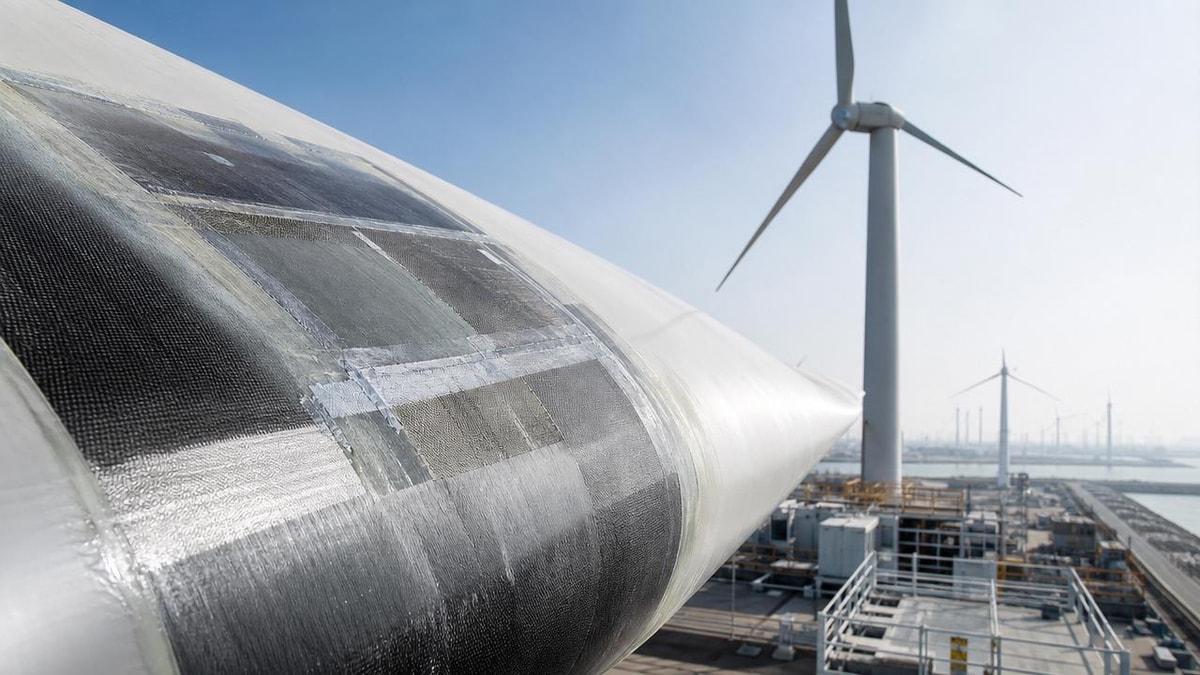
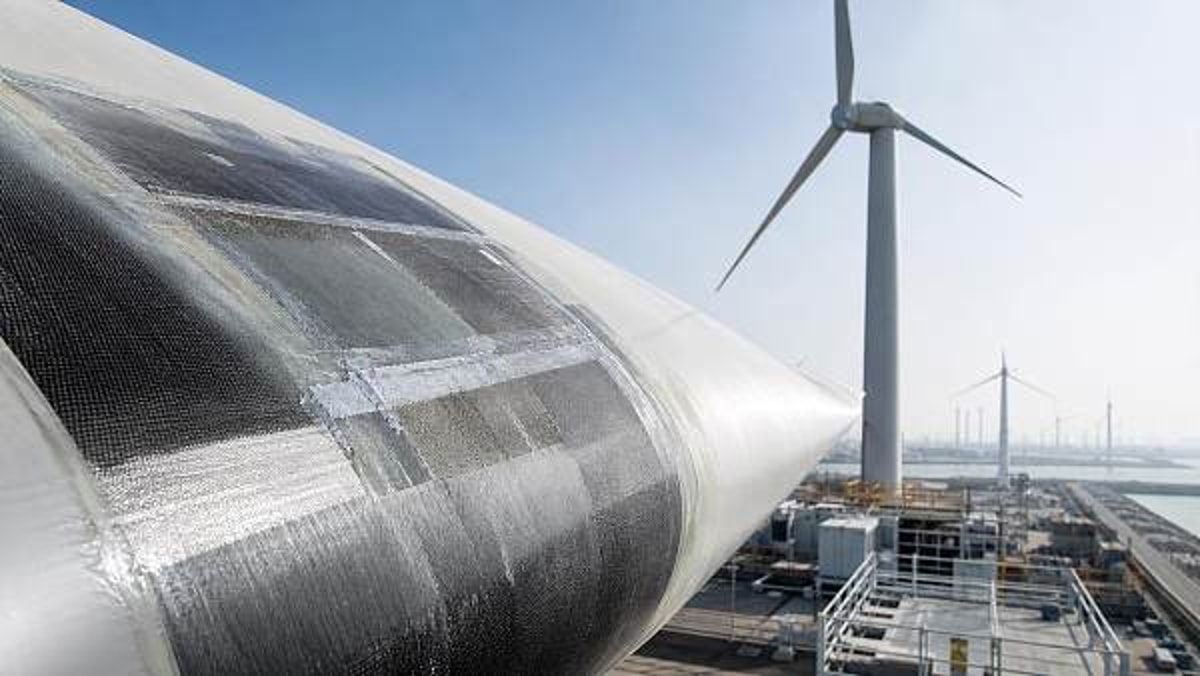
For many aftermarket teams, the first surprise is that damage seen from the ground or through a basic drone check rarely tells the whole story. Wind turbine blades are composite structures, and visible cracking, leading-edge erosion, lightning marks, or surface delamination may only represent the outer symptom. Once technicians begin close inspection, they often find moisture ingress, bond line failure, core separation, laminate weakness, or trailing-edge splits extending much farther than expected.
That makes repair planning difficult at the quoting stage. A maintenance manager may approve a surface patch, only to discover that the actual intervention requires scarf grinding, structural laminate rebuild, curing control, balance verification, and post-repair testing. In other words, the original estimate was based on what could be seen, while the real cost is driven by what must be restored to keep the blade airworthy, efficient, and compliant.
Another issue is that wind turbine blades are installed in environments that increase uncertainty: offshore humidity, desert sand erosion, mountain turbulence, icing zones, and lightning exposure all create different failure patterns. Two turbines of the same model may need very different repair scopes depending on site history, operating loads, and prior maintenance quality. That is why blade repair cost forecasting is less like ordering a standard spare part and more like managing a variable field-engineering project.
What hidden damage usually turns a small blade issue into a major repair?
The most common cost escalator is concealed structural damage. A small chip on the leading edge may look cosmetic, but if water has entered the laminate, freeze-thaw cycles or repeated fatigue loading can spread the damage inside the blade shell. The same applies to impact points from debris or bird strikes. The surface can remain relatively intact while the internal structure weakens.
Maintenance personnel should pay close attention to these high-risk hidden conditions:
- Subsurface delamination that expands beyond the visible crack line
- Shear web or spar cap damage affecting load-bearing performance
- Moisture penetration causing resin degradation or core damage
- Trailing-edge bond failure that grows under cyclic loading
- Lightning receptor and down conductor damage requiring electrical as well as structural work
These conditions are expensive because they demand more than patching. They require diagnostic work such as tap testing, ultrasound, thermography, borescope inspection, or rope-access close review. Each extra diagnostic step adds labor, access time, and decision delays. More importantly, once hidden damage is confirmed, the repair must restore both structural integrity and aerodynamic performance. A blade that is merely “closed up” but not properly rebuilt can create performance loss, increased noise, recurrent cracking, or a much larger failure later.
How do access, weather, and logistics push wind turbine blade repair costs higher?
Even when repair materials are affordable, access can dominate the total job cost. Wind turbine blades are large, elevated, and often located in remote or weather-sensitive sites. Technicians may need rope access, suspended platforms, internal blade access, or heavy cranes depending on blade position, turbine height, and repair severity. The choice of access method directly changes labor hours, safety controls, mobilization costs, and outage duration.
Weather is another major variable. Blade repairs often require dry surfaces, controlled temperatures, acceptable wind speeds, and predictable curing windows. A team can arrive on site with labor booked and materials prepared, then lose productive days because of gusts, rain, lightning risk, or low temperatures. Those delays increase accommodation, standby labor, equipment rental, and turbine downtime. For offshore projects, vessel timing and sea state make the problem even more expensive.
Logistics also matter more than many planners expect. Some repairs need cold-chain resin systems, specialized fillers, vacuum consumables, grinders, PPE, testing equipment, and certified waste handling. If the site is far from service hubs, every missing tool or incorrect material batch can delay completion. In practical terms, a modest blade defect can become a costly event if access windows are short and supply support is weak.
Why do materials, skills, and compliance requirements raise the final invoice?
Wind turbine blades are not repaired like general fiberglass surfaces. The composite system, fiber orientation, resin compatibility, cure behavior, and aerodynamic finishing requirements all influence the method. A repair on a structural zone may require engineered laminate schedules, approved consumables, and technicians trained to turbine OEM or certified composite standards. That level of specialization costs more because mistakes are expensive and rework is even more expensive.
Compliance further increases cost. Depending on the site and operator, maintenance teams may need documented repair procedures, lift plans, confined-space protocols, electrical isolation records, quality sign-offs, and traceability for materials used. In some cases, insurers, asset owners, or technical advisors require photo evidence, NDT records, and performance documentation before the turbine returns to service. These are not optional administrative tasks; they are part of the real cost of a professional blade repair program.
There is also a quality-risk premium. If a repair is poorly blended or improperly cured, the blade may lose aerodynamic efficiency, experience renewed erosion, or develop imbalance. That creates downstream costs in power output, vibration, and repeat intervention. For experienced aftermarket professionals, the lesson is simple: lower bid prices for wind turbine blades can be misleading if they exclude technical controls that prevent future failures.
What should maintenance teams check before approving a blade repair scope?
Before authorizing work, maintenance teams should verify whether the defect is cosmetic, aerodynamic, structural, electrical, or mixed. Cost control starts with defining the problem correctly. A well-prepared scope should also identify damage location, estimated depth, blade zone criticality, likely access method, expected weather constraints, and whether the repair can be completed in one visit.
The following table can help teams screen the biggest budget risks before work begins:
This kind of pre-approval checklist is especially valuable for operators managing multiple turbines or mixed fleets. It supports more consistent budgeting, better contractor comparisons, and faster internal approvals.
Which common mistakes make wind turbine blade repairs more expensive than they need to be?
A frequent mistake is waiting too long. Small leading-edge erosion, gelcoat cracking, or minor bond-line separation can often be stabilized at relatively low cost. But once rain, UV exposure, and cyclic loading continue to act on the damage, the repair becomes deeper, slower, and more structural. Delayed action is one of the most predictable causes of overspend on wind turbine blades.
Another mistake is comparing bids only on headline price. A low quote may exclude diagnostics, weather downtime assumptions, quality inspection, material traceability, or post-repair finishing. When these elements reappear as change orders, the original “saving” disappears. Maintenance teams should compare total intervention logic, not only the initial number.
A third error is underestimating downtime economics. Some teams focus entirely on repair invoice value and ignore lost generation. In reality, the best commercial choice may be a slightly more expensive repair strategy that reduces turbine outage and lowers repeat visits. For high-output sites, the cost of waiting can exceed the cost of doing the job properly at the first opportunity.
- Do not classify all blade damage as cosmetic without close inspection.
- Do not assume one repair method fits every blade zone or defect type.
- Do not schedule tightly without weather contingency.
- Do not separate repair cost from downtime cost in decision-making.
How can aftermarket maintenance teams reduce repair cost surprises in the future?
The best approach is to shift from reactive repairs to condition-based planning. That means combining regular visual inspections with severity ranking, repair history tracking, and damage trend analysis across the fleet. Wind turbine blades usually show patterns: recurring lightning zones, fast erosion on certain orientations, repeated trailing-edge issues on specific models, or contractor quality differences across sites. If teams capture that data, they can plan interventions earlier and more accurately.
It also helps to standardize supplier evaluation. Service partners should be assessed on inspection capability, composite expertise, access resources, HSE performance, documentation quality, and ability to respond quickly during narrow weather windows. For strategic B2B operators, this is where market intelligence matters. A better-maintained supplier network, stronger technical benchmarking, and clearer repair specifications can reduce both direct cost and operational risk.
Finally, build budgets around ranges rather than single-point assumptions. For example, estimate a base repair scope, a probable hidden-damage contingency, and a weather/logistics allowance. This method is more realistic for wind turbine blades and gives procurement and service teams a stronger basis for approvals, scheduling, and contractor negotiation.
What are the most practical questions to raise before moving forward?
If a repair decision is approaching, aftermarket teams should begin with a focused discussion rather than a generic request for quote. Useful questions include: What is the confirmed damage class? Which repair zones are structural? What access solution is recommended and why? What assumptions are being made about weather, cure time, and turbine availability? Which materials and standards will be used? What documentation will be delivered? What risks could trigger scope change after inspection?
These questions help transform uncertainty into a manageable work package. They also make it easier to compare vendors, challenge unrealistic pricing, and prevent expensive misunderstandings after mobilization. For professionals responsible for maintaining wind turbine blades, the goal is not merely to find the cheapest repair. It is to secure the most reliable intervention, with the clearest technical basis, the lowest repeat-failure risk, and the best balance between repair cost and turbine uptime.
If you need to confirm a specific repair strategy, technical scope, lead time, quotation basis, or service partnership approach, start by clarifying the defect type, access constraints, environmental conditions, documentation requirements, and expected downtime impact. Those five points usually determine whether a blade repair stays within plan—or becomes another unplanned cost event.
Get weekly intelligence in your inbox.
No noise. No sponsored content. Pure intelligence.
 May 07, 2026Sustainable Building Materials That Cut Carbon Without Cutting DurabilitySustainable Building Materials That Cut Carbon Without Cutting Durability
 May 07, 2026Green Hydrogen Production: What Decides Whether a Project ScalesGreen Hydrogen Production: What Decides Whether a Project Scales
 May 07, 2026Wind Turbine Blades: Why Repairs Cost More Than PlannedWind Turbine Blades: Why Repairs Cost More Than Planned
 May 07, 2026Folding Solar Chargers: What Real Output Looks Like OutdoorsFolding Solar Chargers: What Real Output Looks Like Outdoors
 May 07, 2026Vehicle to Grid Revenue Looks Attractive, but What Are the Limits?Vehicle to Grid Revenue Looks Attractive, but What Are the Limits?
 May 07, 2026Wireless EV Charging Sounds Easy, So Why Is Adoption Slow?Wireless EV Charging Sounds Easy, So Why Is Adoption Slow?
 May 07, 2026Floating Solar Farms: The Hidden Tradeoffs Behind Water SavingsFloating Solar Farms: The Hidden Tradeoffs Behind Water Savings
 May 07, 2026Geothermal Heat Pumps: Why Installation Quotes Differ So WidelyGeothermal Heat Pumps: Why Installation Quotes Differ So Widely
 May 07, 2026Sodium Ion Batteries: Where They Make Sense Before 2030Sodium Ion Batteries: Where They Make Sense Before 2030
 May 07, 2026EV Battery Recycling Is Growing, but the Supply Chain Isn’t ReadyEV Battery Recycling Is Growing, but the Supply Chain Isn’t Ready
 May 07, 2026BMS Boards Selection Problems That Show Up After InstallationBMS Boards Selection Problems That Show Up After Installation
 May 07, 2026Deep Cycle Batteries: Why Runtime Estimates Often Miss the MarkDeep Cycle Batteries: Why Runtime Estimates Often Miss the Mark
 May 07, 2026Carbon Capture Technology Projects Often Stall at This StageCarbon Capture Technology Projects Often Stall at This Stage
 May 07, 2026What Makes Offshore Wind Technology So Expensive to Deploy?What Makes Offshore Wind Technology So Expensive to Deploy?
 May 07, 2026EV Charging Cables: Small Spec Differences, Big Fit ProblemsEV Charging Cables: Small Spec Differences, Big Fit Problems
 May 07, 2026Solid State Batteries: Progress Is Real, Timelines Are Not SimpleSolid State Batteries: Progress Is Real, Timelines Are Not Simple
 May 07, 2026Microgrid Controllers: What Changes Once Systems Scale UpMicrogrid Controllers: What Changes Once Systems Scale Up
 May 07, 2026Energy Efficient HVAC Claims That Deserve a Closer LookEnergy Efficient HVAC Claims That Deserve a Closer Look
 May 07, 2026Biomass Energy Equipment: Why Maintenance Costs Vary So MuchBiomass Energy Equipment: Why Maintenance Costs Vary So Much
 May 07, 2026Smart Meters Wholesale: Which Specs Matter Most in Bulk OrdersSmart Meters Wholesale: Which Specs Matter Most in Bulk Orders
 May 07, 2026Commercial Energy Storage Sizing Mistakes That Raise CostsCommercial Energy Storage Sizing Mistakes That Raise Costs
 May 07, 2026Residential Solar Kits: What Gets Overlooked Before BuyingResidential Solar Kits: What Gets Overlooked Before Buying
 May 07, 2026V2G Technology Is Moving Fast, but What Still Holds It Back?V2G Technology Is Moving Fast, but What Still Holds It Back?
 May 07, 2026Smart Street Lighting Upgrades: Where Savings Often SlipSmart Street Lighting Upgrades: Where Savings Often Slip
 May 07, 2026Portable Solar Panels That Work Better in Real Travel UsePortable Solar Panels That Work Better in Real Travel Use
 May 07, 2026How to Compare AGM Batteries Wholesale Beyond Unit PriceHow to Compare AGM Batteries Wholesale Beyond Unit Price
 May 07, 2026Do Solar Water Heaters Still Pay Off in Mild Climates?Do Solar Water Heaters Still Pay Off in Mild Climates?