Biomass Energy Equipment: Why Maintenance Costs Vary So Much
Maintenance budgets for biomass energy equipment can differ dramatically from one facility to another, even when systems appear similar. For after-sales maintenance teams, the real cost gap often comes down to fuel quality, operating conditions, component wear, service intervals, and diagnostic capability. Understanding these variables is essential for reducing downtime, controlling spare-parts expenses, and building more predictable long-term maintenance strategies.
Why maintenance cost variation is becoming a bigger industry signal
Across the green energy market, the conversation around biomass energy equipment is shifting. Operators are no longer asking only about rated output, efficiency, or initial project payback. They are increasingly comparing lifecycle stability, serviceability, fuel flexibility, and downtime risk. For after-sales maintenance personnel, this change matters because maintenance cost is now viewed as a strategic operating metric rather than a background expense.
This shift is happening for several reasons. Biomass plants are processing a wider range of feedstocks, spare-parts costs remain volatile, environmental compliance is tighter, and plant owners expect more uptime from leaner technical teams. As a result, two sites using similar biomass energy equipment may report very different maintenance profiles. The variation is not random. It usually reflects how the equipment is matched to fuel conditions, how preventive routines are executed, and how quickly hidden wear patterns are detected.
For companies such as TradeNexus Pro’s audience of procurement leaders, operations managers, and technical decision-makers, this trend is also reshaping supplier evaluation. Vendors that can support diagnostics, operator training, wear forecasting, and spare-parts planning are gaining more attention than those competing only on equipment price.
The main forces behind widening cost differences in biomass energy equipment
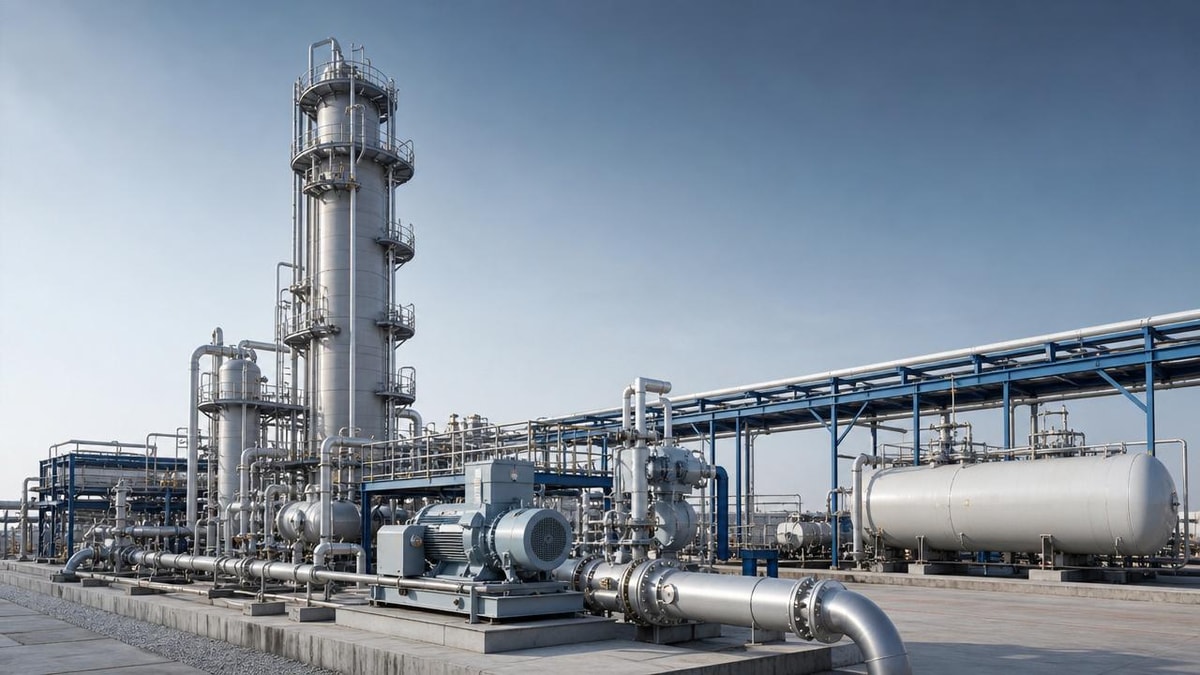
The biggest reason maintenance budgets diverge is that biomass energy equipment now operates in more variable real-world environments than before. Maintenance teams are seeing cost spreads caused by changing fuels, inconsistent plant loads, and more demanding emissions controls. What looks like the same boiler, gasifier, conveyor, shredder, dryer, or feeding system can age very differently depending on the site.
Among these factors, fuel variability remains the most underestimated. A biomass system designed around clean, screened wood chips may behave very differently when fed wet bark, straw blends, or material with high silica and alkali content. The result can be more frequent fouling, clinker formation, corrosion, unstable combustion, and accelerated wear in moving parts.
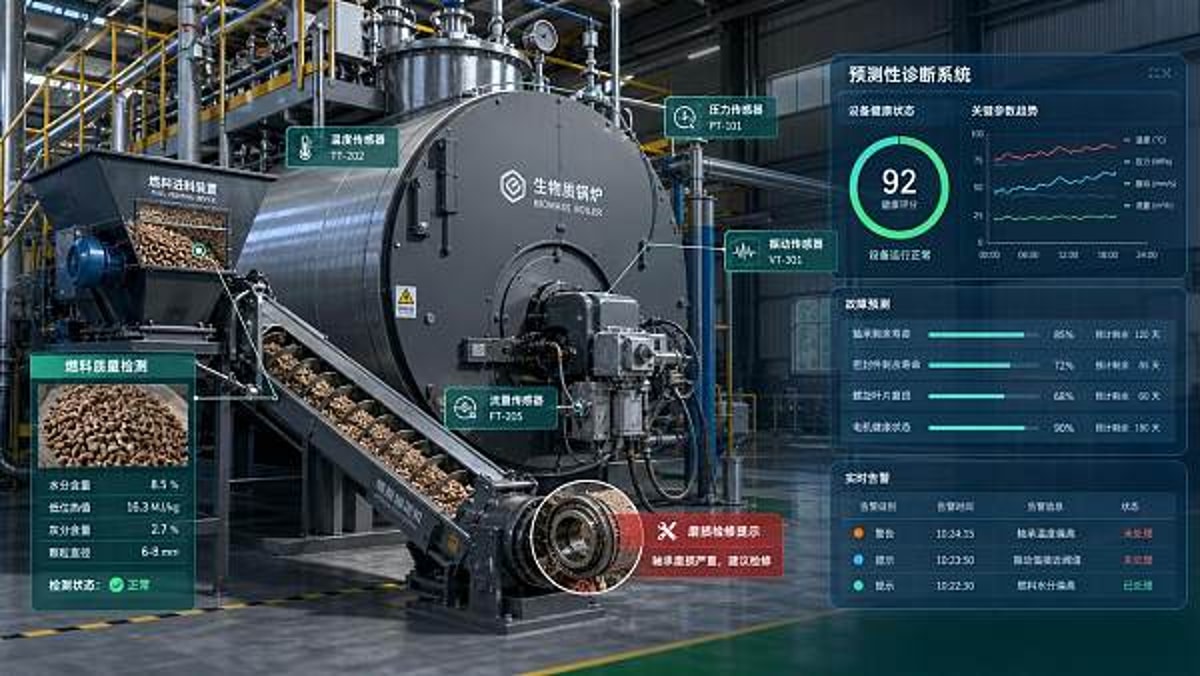
Fuel quality is no longer a background issue but a primary maintenance cost driver
In many facilities, after-sales teams are discovering that maintenance cost is less about the equipment category itself and more about the relationship between feedstock behavior and system design. Moisture content affects drying load, ignition stability, and residue buildup. Particle size inconsistency can damage feeding systems and create combustion imbalance. Contaminants such as sand, stones, or metal fragments raise the risk of mechanical failure in crushers, screws, augers, and ash handling units.
This is why maintenance budgets for biomass energy equipment vary even across plants with similar throughput. One site may have disciplined fuel preparation, incoming inspection, and storage control. Another may accept broad feedstock variation to maintain supply continuity. The second site often pays less upfront for raw material sourcing but more later through refractory damage, tube cleaning frequency, bearing replacement, and unplanned shutdowns.
The industry signal here is clear: maintenance is becoming more tightly linked with fuel governance. After-sales teams that can document fuel-related failure patterns are in a stronger position to influence customer decisions, service contracts, and realistic warranty discussions.
Operating profile changes are reshaping wear patterns
Another trend affecting biomass energy equipment is the move away from steady baseload operation at some sites. Plants may now cycle more frequently, respond to variable energy demand, or operate below ideal capacity because of feedstock supply issues. These changes alter temperature swings, startup frequency, and mechanical stress distribution.
For maintenance personnel, intermittent operation usually means faster deterioration in seals, ignition systems, fans, motors, and thermal linings. Repeated thermal cycling can increase cracking risk in refractory materials and stress heat-exchange surfaces. Frequent starts and stops also expose weaknesses in controls, instrumentation, and actuator reliability. In practical terms, a plant with the same biomass energy equipment but a more unstable load profile may require significantly more inspection hours and parts replacement.
This has commercial implications as well. Service plans built on calendar-based assumptions often fail when the operating profile changes. A more accurate model combines hours, thermal cycles, fuel type, and load behavior. Maintenance strategies that ignore this shift are increasingly likely to under-budget labor and overrun spare-parts allocations.
The gap between reactive and predictive maintenance is widening
A major dividing line in the market is no longer simply old versus new equipment. It is reactive service culture versus condition-based service culture. Facilities that still rely heavily on breakdown response often experience the highest total maintenance cost for biomass energy equipment, even if their annual routine service spend looks modest on paper.
The reason is straightforward. Emergency maintenance rarely affects only one component. A blocked grate can affect combustion quality, fan load, ash removal, and emissions stability. A worn conveyor flight may lead to feeding inconsistency, which then triggers combustion fluctuation and operator intervention. Without trend monitoring, these linked failures are usually discovered late.
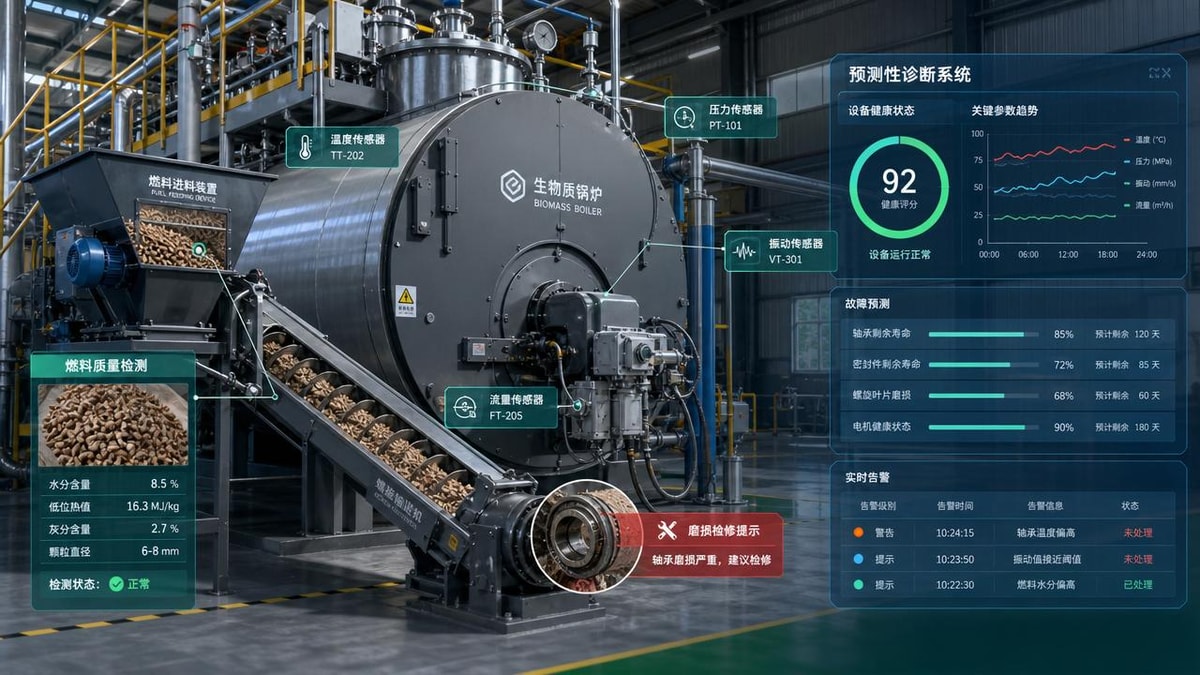
Sites adopting vibration monitoring, thermal inspection, pressure trend analysis, combustion data review, and digital maintenance logs are usually better at containing cost variation. They do not eliminate wear, but they reduce the price of surprise. For after-sales teams, diagnostic capability is no longer a premium add-on. It is becoming a core differentiator in biomass energy equipment support.
Who feels the impact most across the service chain
The widening maintenance gap affects multiple stakeholders, but not in the same way. Understanding where the pressure lands helps teams prioritize actions.
What maintenance teams should watch now
Several signals deserve close attention in the current market for biomass energy equipment. First, repeated cleaning frequency is often an early warning that fuel conditions or combustion balance are drifting. Second, higher-than-normal bearing, seal, or chain replacement can indicate contamination, misalignment, or load instability rather than normal aging. Third, rising operator intervention is a practical signal that automation settings may no longer match real operating conditions.
Maintenance personnel should also monitor whether service intervals are based on actual site behavior or inherited generic manuals. A schedule copied from standard documentation may be too loose for abrasive agricultural biomass or too conservative for cleaner feedstock streams. The trend is toward adaptive maintenance planning, where intervals are refined using operating evidence rather than fixed assumptions.
Another important change is the growing value of documentation quality. Well-structured maintenance records make it easier to distinguish fuel-related problems, design limits, operator errors, and consumable wear. In an environment where lifecycle cost matters more, this level of clarity strengthens both technical decisions and commercial accountability.
How to respond: practical judgment priorities for the next service cycle
For organizations responsible for biomass energy equipment, the best response is not simply to increase maintenance spending. The better approach is to improve maintenance precision. Teams should start by identifying which cost drivers are structural and which are preventable. Structural drivers may include highly variable fuel supply or demanding duty cycles. Preventable drivers often involve weak inspections, poor lubrication discipline, delayed parts replacement, and limited diagnostic visibility.
A practical next step is to segment equipment by failure consequence. Fuel feeding systems, combustion-critical components, ash removal equipment, and key sensors should receive closer trend monitoring than low-impact auxiliary items. Spare-parts planning should also be tied to known wear behavior, supplier lead times, and the seasonality of biomass operations. In many cases, one missing wear part causes more cost than an entire quarter of preventive checks.
Training is another underused lever. Sites often invest in biomass energy equipment upgrades without equally upgrading operator understanding of fuel effects, alarm interpretation, or abnormal sound and temperature recognition. For after-sales teams, customer education can reduce avoidable failures while improving trust and service efficiency.
A forward-looking checklist for better maintenance cost control
Before the next budget cycle or service contract review, teams should confirm a few questions. Is fuel variability being measured or merely tolerated? Are service intervals linked to actual duty conditions? Which components fail first under current operating patterns? How quickly can critical spare parts be sourced? Are technicians using trend data, or only responding after alarms become severe? These questions are increasingly central to controlling maintenance cost in biomass energy equipment.
The broader industry direction is clear: buyers and operators are moving from equipment ownership thinking to performance continuity thinking. That means the maintenance conversation is becoming more analytical, more data-driven, and more connected to procurement and operational strategy. For after-sales maintenance personnel, this is an opportunity to move beyond repair execution and become a source of lifecycle insight.
If your organization wants to judge how these trends affect its own biomass energy equipment, focus first on fuel behavior, operating profile, wear evidence, service records, and diagnostic readiness. Those five areas usually explain why maintenance costs vary so much—and where the next improvement opportunity is most likely to appear.
Get weekly intelligence in your inbox.
No noise. No sponsored content. Pure intelligence.
 May 07, 2026Sustainable Building Materials That Cut Carbon Without Cutting DurabilitySustainable Building Materials That Cut Carbon Without Cutting Durability
 May 07, 2026Green Hydrogen Production: What Decides Whether a Project ScalesGreen Hydrogen Production: What Decides Whether a Project Scales
 May 07, 2026Wind Turbine Blades: Why Repairs Cost More Than PlannedWind Turbine Blades: Why Repairs Cost More Than Planned
 May 07, 2026Folding Solar Chargers: What Real Output Looks Like OutdoorsFolding Solar Chargers: What Real Output Looks Like Outdoors
 May 07, 2026Vehicle to Grid Revenue Looks Attractive, but What Are the Limits?Vehicle to Grid Revenue Looks Attractive, but What Are the Limits?
 May 07, 2026Wireless EV Charging Sounds Easy, So Why Is Adoption Slow?Wireless EV Charging Sounds Easy, So Why Is Adoption Slow?
 May 07, 2026Floating Solar Farms: The Hidden Tradeoffs Behind Water SavingsFloating Solar Farms: The Hidden Tradeoffs Behind Water Savings
 May 07, 2026Geothermal Heat Pumps: Why Installation Quotes Differ So WidelyGeothermal Heat Pumps: Why Installation Quotes Differ So Widely
 May 07, 2026Sodium Ion Batteries: Where They Make Sense Before 2030Sodium Ion Batteries: Where They Make Sense Before 2030
 May 07, 2026EV Battery Recycling Is Growing, but the Supply Chain Isn’t ReadyEV Battery Recycling Is Growing, but the Supply Chain Isn’t Ready
 May 07, 2026BMS Boards Selection Problems That Show Up After InstallationBMS Boards Selection Problems That Show Up After Installation
 May 07, 2026Deep Cycle Batteries: Why Runtime Estimates Often Miss the MarkDeep Cycle Batteries: Why Runtime Estimates Often Miss the Mark
 May 07, 2026Carbon Capture Technology Projects Often Stall at This StageCarbon Capture Technology Projects Often Stall at This Stage
 May 07, 2026What Makes Offshore Wind Technology So Expensive to Deploy?What Makes Offshore Wind Technology So Expensive to Deploy?
 May 07, 2026EV Charging Cables: Small Spec Differences, Big Fit ProblemsEV Charging Cables: Small Spec Differences, Big Fit Problems
 May 07, 2026Solid State Batteries: Progress Is Real, Timelines Are Not SimpleSolid State Batteries: Progress Is Real, Timelines Are Not Simple
 May 07, 2026Microgrid Controllers: What Changes Once Systems Scale UpMicrogrid Controllers: What Changes Once Systems Scale Up
 May 07, 2026Energy Efficient HVAC Claims That Deserve a Closer LookEnergy Efficient HVAC Claims That Deserve a Closer Look
 May 07, 2026Biomass Energy Equipment: Why Maintenance Costs Vary So MuchBiomass Energy Equipment: Why Maintenance Costs Vary So Much
 May 07, 2026Smart Meters Wholesale: Which Specs Matter Most in Bulk OrdersSmart Meters Wholesale: Which Specs Matter Most in Bulk Orders
 May 07, 2026Commercial Energy Storage Sizing Mistakes That Raise CostsCommercial Energy Storage Sizing Mistakes That Raise Costs
 May 07, 2026Residential Solar Kits: What Gets Overlooked Before BuyingResidential Solar Kits: What Gets Overlooked Before Buying
 May 07, 2026V2G Technology Is Moving Fast, but What Still Holds It Back?V2G Technology Is Moving Fast, but What Still Holds It Back?
 May 07, 2026Smart Street Lighting Upgrades: Where Savings Often SlipSmart Street Lighting Upgrades: Where Savings Often Slip
 May 07, 2026Portable Solar Panels That Work Better in Real Travel UsePortable Solar Panels That Work Better in Real Travel Use
 May 07, 2026How to Compare AGM Batteries Wholesale Beyond Unit PriceHow to Compare AGM Batteries Wholesale Beyond Unit Price
 May 07, 2026Do Solar Water Heaters Still Pay Off in Mild Climates?Do Solar Water Heaters Still Pay Off in Mild Climates?