Do Solar Water Heaters Still Pay Off in Mild Climates?
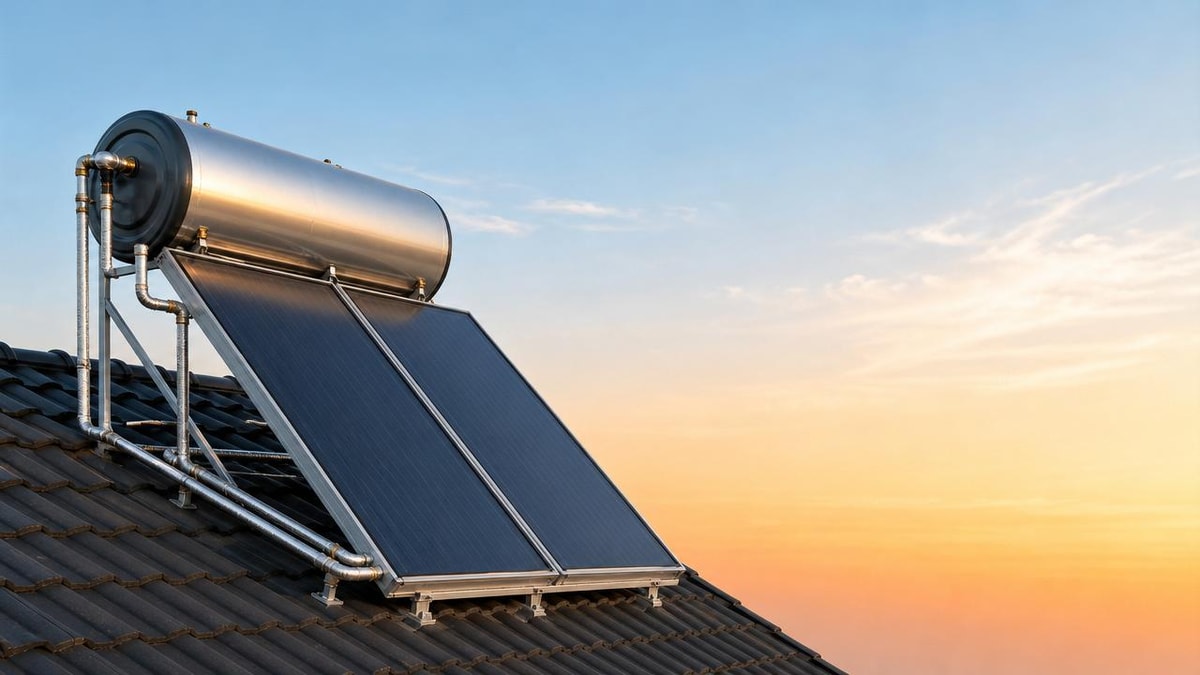
Do solar water heaters still make financial sense if you live in a mild climate? For many homeowners, the answer depends on energy prices, installation costs, and daily hot water use. This article explores whether solar water heaters can still deliver meaningful savings, steady performance, and long-term value in regions without extreme sunshine or cold.
Why a checklist is the smartest way to judge payback
In mild climates, the value of solar water heaters is rarely decided by one factor alone. Many buyers assume that moderate weather automatically means weaker returns, but that is only partly true. A home with stable year-round hot water demand, high utility rates, and a well-oriented roof may see attractive savings even without intense sunshine. On the other hand, a low-usage household with cheap natural gas may struggle to justify the upfront cost.
That is why a checklist-based evaluation works better than broad generalizations. Instead of asking whether solar hot water systems are “good” or “bad” for mild regions, it is more useful to check the conditions that most directly affect performance, operating cost, and long-term payback. The goal is not to chase perfect conditions, but to identify whether your home sits in the range where the numbers make sense.
Start with the five factors that matter most
Before comparing brands or tank sizes, prioritize these core decision points. They will tell you far more about the value of solar water heaters than marketing claims.
- Your current water-heating fuel: Homes using electricity or propane often see better savings potential than homes using low-cost natural gas. The more expensive your conventional hot water is, the more competitive solar becomes.
- Daily hot water usage: Families that shower frequently, run dishwashers often, or use hot water throughout the day benefit more. Low-use households may not capture enough value from the system.
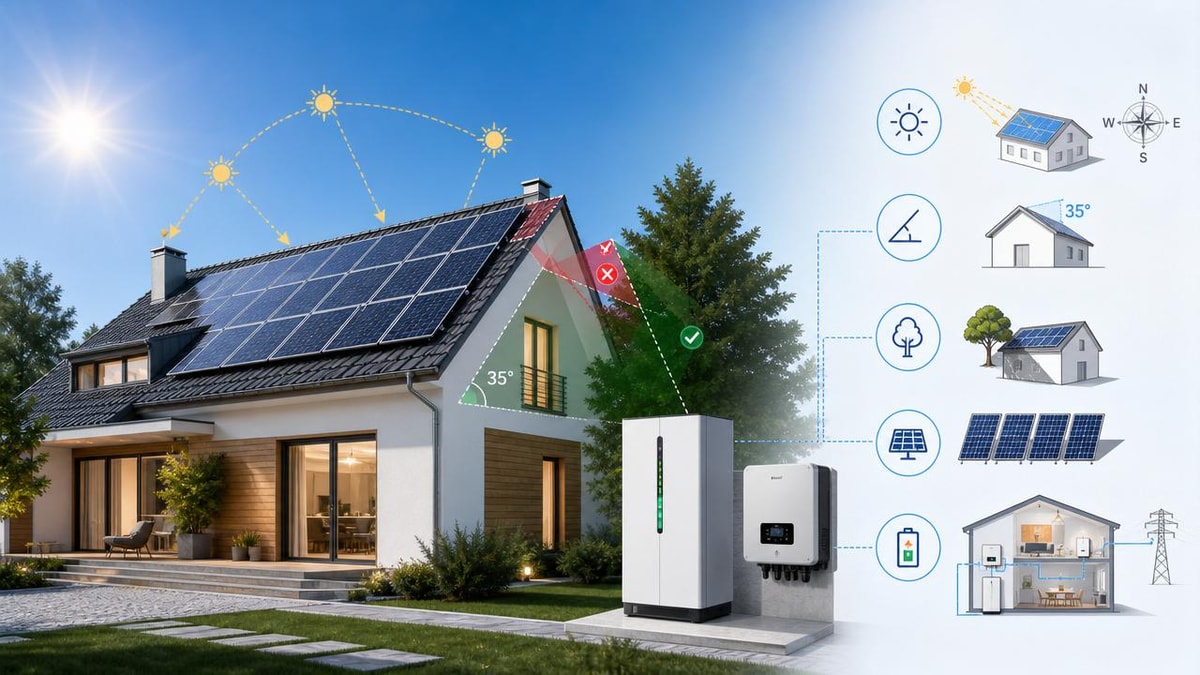
- Roof exposure and shading: South-facing or southwest-facing roof areas with minimal shade usually perform best. Trees, nearby buildings, and seasonal obstruction can reduce output.
- Installed cost after incentives: Tax credits, rebates, and local incentives can significantly improve payback. The net price matters more than the sticker price.
- Expected years in the home: If you plan to move soon, the investment horizon may be too short. If you expect to stay for 10 years or more, the economics become more favorable.
If at least three of these five factors lean in your favor, solar water heaters may still pay off well in a mild climate. If only one or two do, a high-efficiency electric heat pump water heater might be a stronger alternative.
Use this practical checklist before you request quotes
The following checklist helps homeowners quickly filter whether solar water heating deserves serious consideration.
- Check your annual water-heating cost. Review utility bills and estimate what portion goes to hot water. If water heating is a major energy expense, solar may deliver meaningful savings.
- Confirm local solar resource, not just climate labels. “Mild climate” does not always mean weak solar performance. Coastal, Mediterranean, and temperate areas can still receive strong annual solar radiation.
- Measure available roof space. Most residential systems need enough unobstructed area for collectors, plus proper plumbing access to the storage tank.
- Ask whether freeze protection is required. Mild climates can still have occasional cold snaps. Indirect systems or drainback designs may be necessary depending on winter lows.
- Estimate backup energy use. Nearly all solar water heaters rely on a backup heater. The question is not whether backup exists, but how often it runs.
- Review maintenance requirements. Pumps, valves, glycol fluid, anodes, and controllers may need periodic inspection or replacement.
- Request a payback estimate based on your real usage. Avoid generic claims. Ask installers to model performance using household size, occupancy pattern, and utility rate structure.
How mild climates change the economics of solar water heaters
Mild climates can actually help solar water heaters in several ways. First, systems typically face less extreme freeze stress than in very cold regions, which can reduce complexity. Second, steady moderate temperatures may support more consistent year-round operation. Third, homes in mild areas often use hot water continuously rather than in short seasonal spikes, which can improve system utilization.
However, mild weather also creates limits. If winters are cloudy, the system may not contribute as much as expected during months when sunlight is weaker. In addition, homeowners in mild regions often have lower total heating bills overall, so the psychological urgency to save energy can be lower. The result is that payback depends more heavily on installation cost and tariff rates than on climate alone.
A simple rule of thumb
If your home uses expensive electricity for water heating, gets good roof exposure, and qualifies for strong incentives, solar water heaters can remain compelling in mild climates. If your home uses cheap gas and your household uses limited hot water, financial returns are usually weaker.
Comparison table: when payback looks strong, average, or weak
Use this quick reference to judge where your situation may fall before investing time in detailed proposals.
Key differences by household type
Not every homeowner should evaluate solar water heaters the same way. Usage pattern is one of the most overlooked variables.
Large families
Large households often have the best case. More showers, laundry, and kitchen use create a dependable demand base. This helps the system produce useful savings more consistently instead of overproducing at times when no one needs hot water.
Retired couples or low-occupancy homes
These buyers should examine economics more carefully. If hot water use is modest, the savings may be too limited unless electricity prices are very high or incentives are unusually generous.
Vacation or part-time homes
This is often a weak fit. Solar water heating works best when the produced energy offsets real daily consumption. If the home sits empty for long periods, payback usually stretches out.
Commonly ignored issues that can ruin the numbers
Many homeowners focus heavily on collector efficiency while missing practical details that have a bigger effect on lifetime value. Watch for these risk points.
- Oversized systems: Bigger is not always better. In mild climates, an oversized system may create excess heat in warm months and reduce cost efficiency.
- Poor installer design: Pipe runs, controller settings, insulation quality, and tank integration all affect performance. A mediocre design can erase theoretical gains.
- Ignoring roof age: If your roof may need replacement soon, removing and reinstalling collectors later can add major cost.
- Maintenance underestimation: Some buyers assume “solar” means maintenance-free. In reality, periodic service matters for long-term reliability.
- Overlooking alternative technologies: In some mild climates, a heat pump water heater may compete strongly on both cost and simplicity.
What to ask installers before you decide
A quote alone is not enough. To judge whether solar water heaters still pay off in your area, ask installers for clear, comparable information.
- What percentage of annual hot water demand is the system expected to cover?
- What assumptions are used for household water consumption?
- How much backup energy will still be required each month?
- What maintenance is expected over 5, 10, and 15 years?
- What is the installed cost after tax credits and local rebates?
- What warranty applies to collectors, pumps, controls, and storage tanks?
- How does the proposed system compare with a heat pump water heater in total lifecycle cost?
FAQ: fast answers for homeowners in mild climates
Do solar water heaters need extreme sunshine to work well?
No. They need adequate annual solar exposure, not desert-like conditions. Many mild regions still provide enough sunlight for useful performance, especially when systems are correctly sized and positioned.
Are solar water heaters better than solar panels for hot water savings?
It depends on system price, incentives, and your home setup. Dedicated solar water heaters can be efficient for producing hot water, but solar PV paired with an efficient electric water heater may offer more flexibility in some homes.
Will a mild climate shorten payback?
Not automatically. Payback is more closely tied to energy prices, usage, and net installed cost. In some mild climates, those factors line up very well.
Final decision guide: when to move forward and what to prepare
For end consumers, the best way to judge solar water heaters is to focus on measurable fit rather than assumptions about weather. Move forward if you have a good solar roof, above-average hot water demand, relatively expensive conventional water heating, and enough time in the home to recover the investment. Be more cautious if your household is small, your current fuel is cheap natural gas, or your roof conditions are poor.
Before committing, prepare a few key inputs: recent utility bills, estimated hot water usage, roof orientation details, roof age, available incentives, and your expected ownership timeline. With those numbers in hand, you can ask for a realistic performance model, compare solar water heaters against alternative systems, and make a decision based on payback, reliability, and long-term value rather than guesswork.
If you need deeper confirmation on system sizing, compatibility, project timing, budget range, or installer credibility, prioritize those questions first. In mild climates, the payoff is still possible—but only when the details are checked carefully.
Get weekly intelligence in your inbox.
No noise. No sponsored content. Pure intelligence.
 May 07, 2026Sustainable Building Materials That Cut Carbon Without Cutting DurabilitySustainable Building Materials That Cut Carbon Without Cutting Durability
 May 07, 2026Green Hydrogen Production: What Decides Whether a Project ScalesGreen Hydrogen Production: What Decides Whether a Project Scales
 May 07, 2026Wind Turbine Blades: Why Repairs Cost More Than PlannedWind Turbine Blades: Why Repairs Cost More Than Planned
 May 07, 2026Folding Solar Chargers: What Real Output Looks Like OutdoorsFolding Solar Chargers: What Real Output Looks Like Outdoors
 May 07, 2026Vehicle to Grid Revenue Looks Attractive, but What Are the Limits?Vehicle to Grid Revenue Looks Attractive, but What Are the Limits?
 May 07, 2026Wireless EV Charging Sounds Easy, So Why Is Adoption Slow?Wireless EV Charging Sounds Easy, So Why Is Adoption Slow?
 May 07, 2026Floating Solar Farms: The Hidden Tradeoffs Behind Water SavingsFloating Solar Farms: The Hidden Tradeoffs Behind Water Savings
 May 07, 2026Geothermal Heat Pumps: Why Installation Quotes Differ So WidelyGeothermal Heat Pumps: Why Installation Quotes Differ So Widely
 May 07, 2026Sodium Ion Batteries: Where They Make Sense Before 2030Sodium Ion Batteries: Where They Make Sense Before 2030
 May 07, 2026EV Battery Recycling Is Growing, but the Supply Chain Isn’t ReadyEV Battery Recycling Is Growing, but the Supply Chain Isn’t Ready
 May 07, 2026BMS Boards Selection Problems That Show Up After InstallationBMS Boards Selection Problems That Show Up After Installation
 May 07, 2026Deep Cycle Batteries: Why Runtime Estimates Often Miss the MarkDeep Cycle Batteries: Why Runtime Estimates Often Miss the Mark
 May 07, 2026Carbon Capture Technology Projects Often Stall at This StageCarbon Capture Technology Projects Often Stall at This Stage
 May 07, 2026What Makes Offshore Wind Technology So Expensive to Deploy?What Makes Offshore Wind Technology So Expensive to Deploy?
 May 07, 2026EV Charging Cables: Small Spec Differences, Big Fit ProblemsEV Charging Cables: Small Spec Differences, Big Fit Problems
 May 07, 2026Solid State Batteries: Progress Is Real, Timelines Are Not SimpleSolid State Batteries: Progress Is Real, Timelines Are Not Simple
 May 07, 2026Microgrid Controllers: What Changes Once Systems Scale UpMicrogrid Controllers: What Changes Once Systems Scale Up
 May 07, 2026Energy Efficient HVAC Claims That Deserve a Closer LookEnergy Efficient HVAC Claims That Deserve a Closer Look
 May 07, 2026Biomass Energy Equipment: Why Maintenance Costs Vary So MuchBiomass Energy Equipment: Why Maintenance Costs Vary So Much
 May 07, 2026Smart Meters Wholesale: Which Specs Matter Most in Bulk OrdersSmart Meters Wholesale: Which Specs Matter Most in Bulk Orders
 May 07, 2026Commercial Energy Storage Sizing Mistakes That Raise CostsCommercial Energy Storage Sizing Mistakes That Raise Costs
 May 07, 2026Residential Solar Kits: What Gets Overlooked Before BuyingResidential Solar Kits: What Gets Overlooked Before Buying
 May 07, 2026V2G Technology Is Moving Fast, but What Still Holds It Back?V2G Technology Is Moving Fast, but What Still Holds It Back?
 May 07, 2026Smart Street Lighting Upgrades: Where Savings Often SlipSmart Street Lighting Upgrades: Where Savings Often Slip
 May 07, 2026Portable Solar Panels That Work Better in Real Travel UsePortable Solar Panels That Work Better in Real Travel Use
 May 07, 2026How to Compare AGM Batteries Wholesale Beyond Unit PriceHow to Compare AGM Batteries Wholesale Beyond Unit Price
 May 07, 2026Do Solar Water Heaters Still Pay Off in Mild Climates?Do Solar Water Heaters Still Pay Off in Mild Climates?