Residential Solar Kits: What Gets Overlooked Before Buying
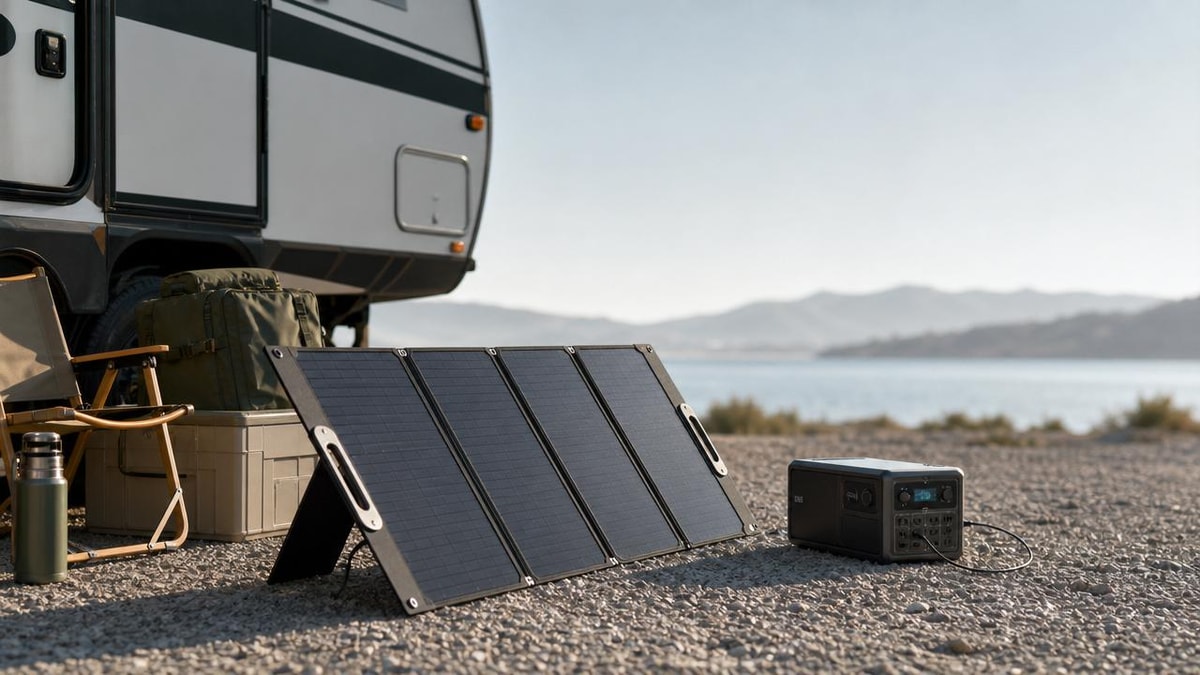
Residential solar kits can look simple on the surface, but the biggest buying mistakes often happen before installation even begins. From roof compatibility and battery sizing to hidden permitting costs and long-term maintenance, many details are easy to miss. Before choosing a system, homeowners should understand what truly affects performance, savings, and peace of mind.
For end consumers, the challenge is not only comparing panel wattage or advertised payback periods. It is making a sound purchase decision across equipment quality, installation readiness, utility rules, and after-sales support. In the green energy market, residential solar kits are often sold as plug-and-play solutions, yet real-world outcomes depend on at least 6 major variables: roof condition, load profile, local regulations, weather exposure, storage strategy, and service access.
This guide explains what buyers frequently overlook before committing to residential solar kits, how to evaluate system fit, and where hidden costs or performance gaps usually appear. For households considering a 3kW, 5kW, 8kW, or larger setup, the goal is not simply to buy solar hardware, but to buy the right system for 10 to 25 years of use.
Why Residential Solar Kits Often Look Easier Than They Really Are

A typical sales page may focus on panel count, inverter size, and estimated savings. That is useful, but incomplete. Residential solar kits operate as a system, not as a collection of parts. A household that uses 18kWh per day with heavy evening consumption needs a different design from a home using 18kWh mostly between 10 a.m. and 3 p.m.
Many homeowners also assume the listed system size directly equals actual daily output. In practice, a 5kW array does not generate 5kW all day long. Output varies by sun hours, roof orientation, shading, temperature, wiring losses, and inverter efficiency. Even a 5% to 12% mismatch between design assumptions and site reality can materially change annual savings.
The Main Pre-Purchase Blind Spots
Before buying residential solar kits, consumers should examine the following overlooked areas instead of focusing only on upfront price:
- Roof age, structure, and available usable surface
- Daily and seasonal electricity usage patterns
- Grid-tied, hybrid, or off-grid compatibility
- Battery sizing for backup duration, not just marketing capacity
- Local permitting, inspection, and interconnection steps
- Maintenance access and replacement planning over 10 to 15 years
Roof Suitability Is a Technical Filter, Not a Detail
Roof compatibility is often underestimated. A roof with 15 to 25 years of remaining life is generally a better candidate than one likely to require replacement in the next 3 to 5 years. Removing and reinstalling panels later can add substantial labor cost. Pitch, orientation, and obstructions also matter. South-facing roofs often perform best in many markets, but east-west layouts may still be viable depending on household demand timing and tariff structure.
Shading deserves a closer look than many buyers give it. A single chimney, satellite dish, or nearby tree can reduce the output of part of the array during key production hours. The impact may be small on some systems and significant on others, especially where string design is not optimized. That is why a shading review over multiple time windows is more useful than a quick visual check.
What an Honest Pre-Buy Assessment Should Cover
The table below outlines the core checks that should happen before a household selects residential solar kits. These checks reduce the risk of oversizing, underperformance, and unexpected project delays.
The key takeaway is that pre-purchase due diligence is not a formality. It is the stage where most financial and technical mistakes can still be prevented. A cheaper system that ignores one of these areas can become more expensive over a 10-year ownership cycle.
Sizing Errors: The Most Expensive Mistake in Residential Solar Kits
Sizing is where expectations and performance often diverge. Some homeowners buy larger residential solar kits than they need because they want to maximize savings. Others undersize the system to reduce upfront cost. Both approaches can lead to poor economics if they are not based on actual consumption patterns and local utility compensation rules.
As a practical range, many single-family homes consider systems between 3kW and 10kW. But the correct size depends less on floor area and more on measured usage. A household consuming 900kWh per month will not have the same design target as one consuming 350kWh, even if both homes appear similar from the outside.
Why Energy Bills Alone Do Not Tell the Full Story
A monthly bill gives a starting point, not a complete answer. Buyers should review at least 12 months of electricity usage to capture seasonal swings. In hot climates, summer air-conditioning can significantly increase demand. In colder regions, electric heating or winter cloud cover may affect production and storage needs. A one-month snapshot can lead to the wrong inverter ratio or battery capacity.
Battery Sizing Should Start With Critical Loads
Battery marketing often highlights total kWh, but homeowners should first list the loads they actually want to support during outages. Refrigeration, lighting, internet equipment, and a few outlets may require far less backup than whole-home air-conditioning. If critical loads total 2kW and the desired backup window is 4 hours, the usable storage target differs greatly from a whole-home backup goal lasting 8 to 12 hours.
It is also important to distinguish nominal battery capacity from usable capacity. Some systems cannot discharge 100% of labeled energy without affecting longevity targets. Understanding discharge limits, cycle expectations, and integration with the inverter can prevent disappointment after installation.
Typical Residential Solar Kit Configurations
The following table shows common decision patterns for residential solar kits. These are broad planning ranges, not one-size-fits-all prescriptions, but they help buyers understand how system type and household goals connect.
What this table shows is that buying residential solar kits based on current panel count alone is risky. A household planning to add an EV charger in 12 to 24 months may need expansion flexibility now, even if the immediate demand looks moderate.
Hidden Costs That Change the True Return on Investment
Upfront hardware is only part of the ownership cost. Buyers often compare quotes without separating equipment, permitting, installation labor, electrical upgrades, monitoring tools, and long-term service conditions. Two residential solar kits priced similarly on paper may differ materially in what is included.
For example, some homes need a main panel upgrade, additional disconnects, roof reinforcement, or trenching for detached structures. These are not exotic exceptions. They are common project variables that can shift the final budget and timeline. In many residential projects, permitting and utility coordination alone can add several days of administrative work and 2 to 6 weeks of schedule variability.
Costs Buyers Should Ask About Up Front
- Permit application and inspection fees
- Utility interconnection charges or meter-related work
- Roof repair or structural preparation costs
- Battery enclosure or environmental protection requirements
- Monitoring subscription fees, if any
- Replacement terms for inverter or battery beyond the initial warranty period
Not All Warranties Protect the Same Things
Consumers often hear that panels carry 20- to 25-year performance coverage, but that does not mean every system component is equally protected. Inverters may have shorter terms, and battery warranties may be tied to throughput, cycle count, or retained capacity thresholds. It is worth asking three direct questions: what is covered, for how long, and who pays labor for replacement.
Support responsiveness matters too. A system that loses monitoring or develops an inverter fault should not leave the homeowner waiting weeks for diagnosis. Clear service procedures, remote troubleshooting capability, and defined escalation windows are just as important as the equipment list.
How to Compare Residential Solar Kits Like a Smart Buyer
The best buying approach is to compare total fit, not just headline cost. End consumers should treat solar evaluation as a 4-part decision: technical suitability, financial logic, installation feasibility, and support quality. This is where a more disciplined procurement mindset helps, even for a household purchase.
A Practical 5-Step Review Process
- Collect 12 months of electricity usage and identify average daily kWh and peak periods.
- Confirm roof age, orientation, shading, and available installation area.
- Decide whether the goal is bill reduction, outage backup, or partial independence.
- Compare residential solar kits based on included components, expandability, and warranty structure.
- Review permitting scope, installation timeline, and after-sales support before signing.
Questions Worth Asking a Supplier or Installer
A serious quote review should include direct questions. What assumptions were used for annual production? Is battery capacity nominal or usable? What happens if roof work is needed after approval? Can the system be expanded from 5kW to 8kW later? How long does commissioning typically take after hardware arrives on site? These questions help reveal whether the proposal is engineered thoughtfully or assembled for fast selling.
For households comparing multiple vendors, a side-by-side matrix is often more useful than a verbal pitch. If one supplier includes monitoring, surge protection, and commissioning support while another excludes those items, the lower quote may not be the better value.
Common Buying Myths That Deserve Caution
One common myth is that the highest wattage panel automatically creates the best system. In reality, array layout, inverter matching, and shading performance may have a larger effect on actual household benefit. Another myth is that every battery-equipped system guarantees full-home backup. Many do not, unless designed specifically for that purpose with the right load segmentation and capacity.
A third misconception is that residential solar kits are maintenance-free forever. Solar systems are generally low-maintenance, but not zero-maintenance. Buyers should still plan for periodic inspection, monitoring review, and occasional component service over a 10- to 20-year operating period.
Long-Term Performance, Maintenance, and Peace of Mind
The right residential solar kits should perform reliably for years, but long-term results depend on monitoring and service readiness. Buyers should know how to detect underperformance, who to contact if production drops, and what preventive checks are recommended. A system with clear diagnostics is easier to manage than one that only becomes visible when the bill unexpectedly rises.
Maintenance requirements vary by environment. Homes in dusty, coastal, snowy, or heavily shaded locations may need more frequent visual inspection or cleaning review than homes in milder conditions. In practical terms, a basic performance check every few months and a professional inspection at sensible intervals can help catch connector wear, mounting issues, or inverter alerts before they become expensive problems.
Signs a System Was Poorly Planned Before Purchase
- Battery backup duration is far shorter than expected during outages
- Production falls well below modeled estimates without obvious weather causes
- Roof access for maintenance is awkward or unsafe
- Utility approval takes much longer because documentation was incomplete
- Future load additions, such as an EV charger, require major system redesign
Most of these problems begin before the first panel is mounted. They are design and decision errors, not just installation errors. That is why careful pre-buy evaluation delivers value far beyond the initial shopping phase.
Choosing residential solar kits should be approached as a long-term energy decision, not an impulse hardware purchase. Homeowners who verify roof suitability, load profile, battery purpose, local approvals, and service coverage are far more likely to achieve stable savings and dependable performance. For buyers who want clearer comparisons, better technical insight, or a more informed path into green energy solutions, TradeNexus Pro provides decision-focused industry intelligence that helps turn complex options into practical next steps. Contact us today to explore tailored guidance, compare solution pathways, and learn more about smarter residential solar planning.
Get weekly intelligence in your inbox.
No noise. No sponsored content. Pure intelligence.
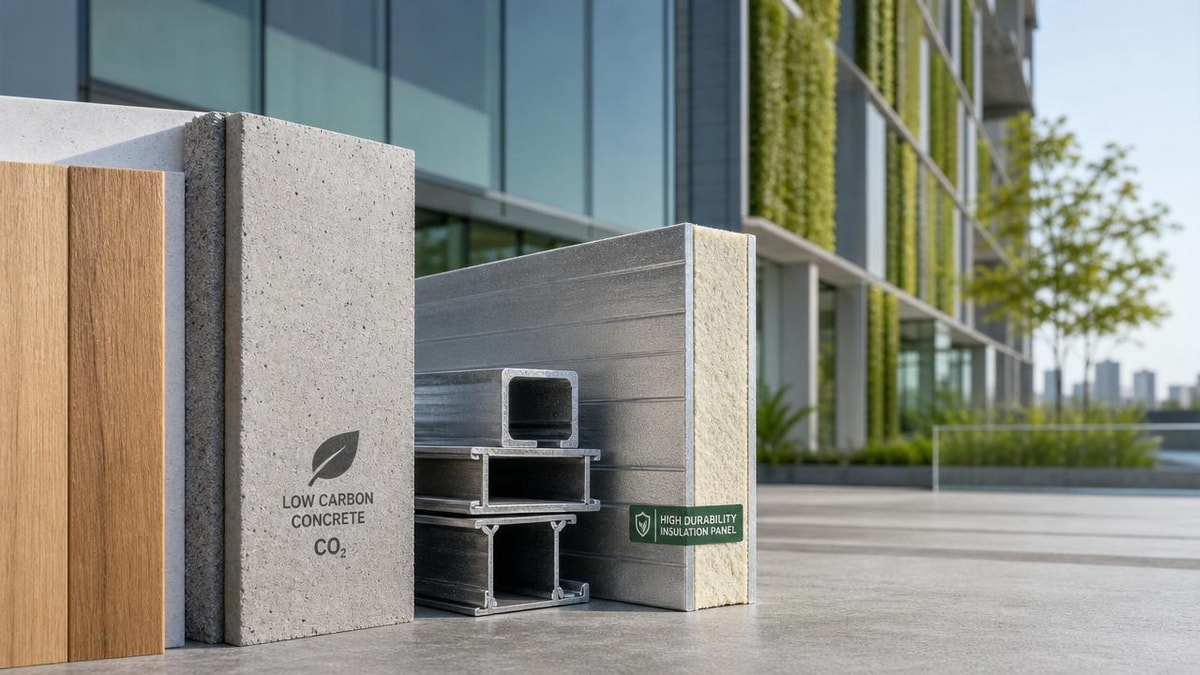
 May 07, 2026Sustainable Building Materials That Cut Carbon Without Cutting DurabilitySustainable Building Materials That Cut Carbon Without Cutting Durability
 May 07, 2026Green Hydrogen Production: What Decides Whether a Project ScalesGreen Hydrogen Production: What Decides Whether a Project Scales
 May 07, 2026Wind Turbine Blades: Why Repairs Cost More Than PlannedWind Turbine Blades: Why Repairs Cost More Than Planned
 May 07, 2026Folding Solar Chargers: What Real Output Looks Like OutdoorsFolding Solar Chargers: What Real Output Looks Like Outdoors
 May 07, 2026Vehicle to Grid Revenue Looks Attractive, but What Are the Limits?Vehicle to Grid Revenue Looks Attractive, but What Are the Limits?
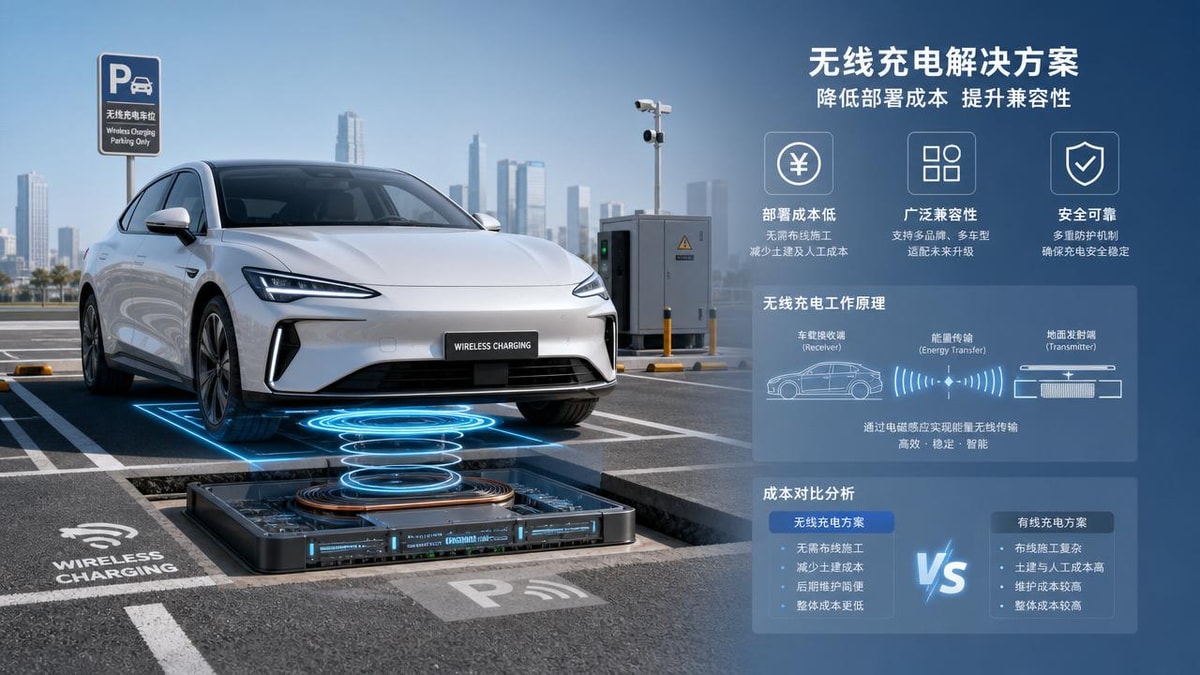
 May 07, 2026Wireless EV Charging Sounds Easy, So Why Is Adoption Slow?Wireless EV Charging Sounds Easy, So Why Is Adoption Slow?
 May 07, 2026Floating Solar Farms: The Hidden Tradeoffs Behind Water SavingsFloating Solar Farms: The Hidden Tradeoffs Behind Water Savings
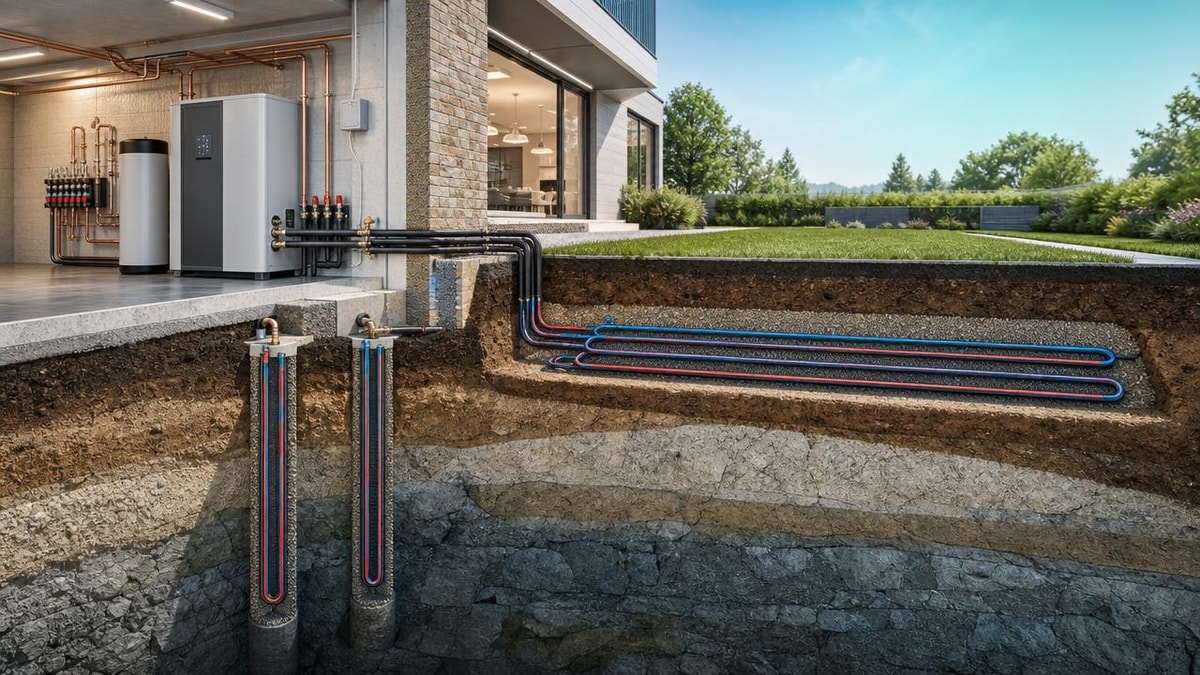
 May 07, 2026Geothermal Heat Pumps: Why Installation Quotes Differ So WidelyGeothermal Heat Pumps: Why Installation Quotes Differ So Widely
 May 07, 2026Sodium Ion Batteries: Where They Make Sense Before 2030Sodium Ion Batteries: Where They Make Sense Before 2030
 May 07, 2026EV Battery Recycling Is Growing, but the Supply Chain Isn’t ReadyEV Battery Recycling Is Growing, but the Supply Chain Isn’t Ready
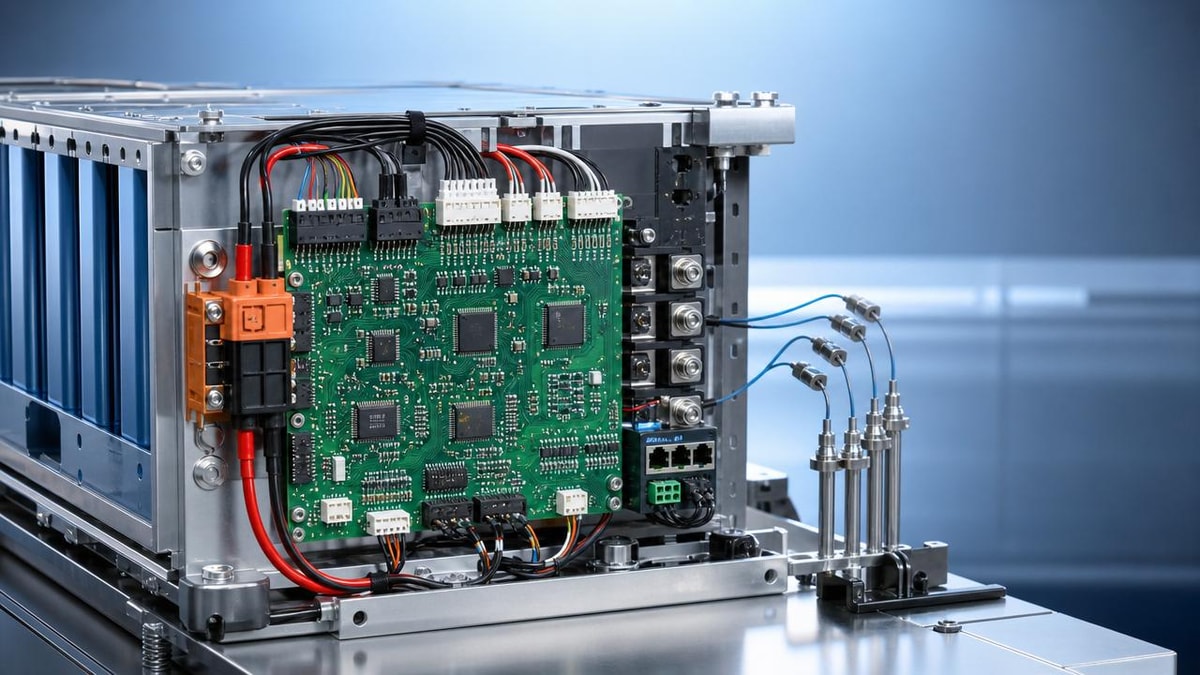
 May 07, 2026BMS Boards Selection Problems That Show Up After InstallationBMS Boards Selection Problems That Show Up After Installation
 May 07, 2026Deep Cycle Batteries: Why Runtime Estimates Often Miss the MarkDeep Cycle Batteries: Why Runtime Estimates Often Miss the Mark
 May 07, 2026Carbon Capture Technology Projects Often Stall at This StageCarbon Capture Technology Projects Often Stall at This Stage
 May 07, 2026What Makes Offshore Wind Technology So Expensive to Deploy?What Makes Offshore Wind Technology So Expensive to Deploy?
 May 07, 2026EV Charging Cables: Small Spec Differences, Big Fit ProblemsEV Charging Cables: Small Spec Differences, Big Fit Problems
 May 07, 2026Solid State Batteries: Progress Is Real, Timelines Are Not SimpleSolid State Batteries: Progress Is Real, Timelines Are Not Simple
 May 07, 2026Microgrid Controllers: What Changes Once Systems Scale UpMicrogrid Controllers: What Changes Once Systems Scale Up
 May 07, 2026Energy Efficient HVAC Claims That Deserve a Closer LookEnergy Efficient HVAC Claims That Deserve a Closer Look
 May 07, 2026Biomass Energy Equipment: Why Maintenance Costs Vary So MuchBiomass Energy Equipment: Why Maintenance Costs Vary So Much
 May 07, 2026Smart Meters Wholesale: Which Specs Matter Most in Bulk OrdersSmart Meters Wholesale: Which Specs Matter Most in Bulk Orders
 May 07, 2026Commercial Energy Storage Sizing Mistakes That Raise CostsCommercial Energy Storage Sizing Mistakes That Raise Costs
 May 07, 2026Residential Solar Kits: What Gets Overlooked Before BuyingResidential Solar Kits: What Gets Overlooked Before Buying
 May 07, 2026V2G Technology Is Moving Fast, but What Still Holds It Back?V2G Technology Is Moving Fast, but What Still Holds It Back?
 May 07, 2026Smart Street Lighting Upgrades: Where Savings Often SlipSmart Street Lighting Upgrades: Where Savings Often Slip
 May 07, 2026Portable Solar Panels That Work Better in Real Travel UsePortable Solar Panels That Work Better in Real Travel Use
 May 07, 2026How to Compare AGM Batteries Wholesale Beyond Unit PriceHow to Compare AGM Batteries Wholesale Beyond Unit Price
 May 07, 2026Do Solar Water Heaters Still Pay Off in Mild Climates?Do Solar Water Heaters Still Pay Off in Mild Climates?