Portable Solar Panels That Work Better in Real Travel Use
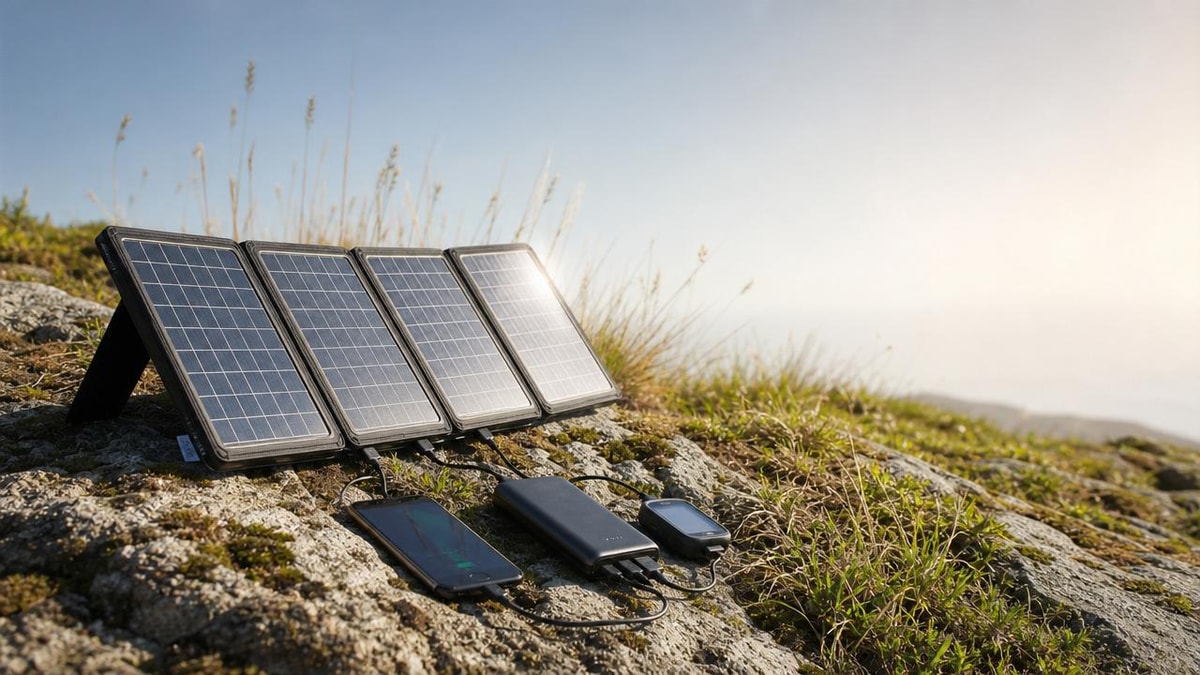
Portable solar panels sound ideal for road trips, camping, and off-grid charging—but real travel use quickly reveals big differences in output, weight, durability, and setup speed. This guide looks beyond lab specs to show which portable solar panels perform better in changing weather, limited space, and everyday travel conditions, so you can choose with more confidence.
For consumers, the challenge is simple: many portable solar panels look impressive on a product page, yet perform very differently once they are strapped to a camper van, unfolded at a windy campsite, or leaned against a backpack during a 2-day stopover. Rated wattage matters, but so do cable quality, stand stability, weather tolerance, and the time it takes to deploy and pack away.
From a market and sourcing perspective, portable power has become a crossover category connecting green energy, smart electronics, and outdoor mobility. That makes product comparison more complex, because end users are no longer buying only for emergency charging. They are buying for travel efficiency, battery compatibility, and reliable output across 3 to 5 common use cases.
What Makes Portable Solar Panels Better in Real Travel Conditions
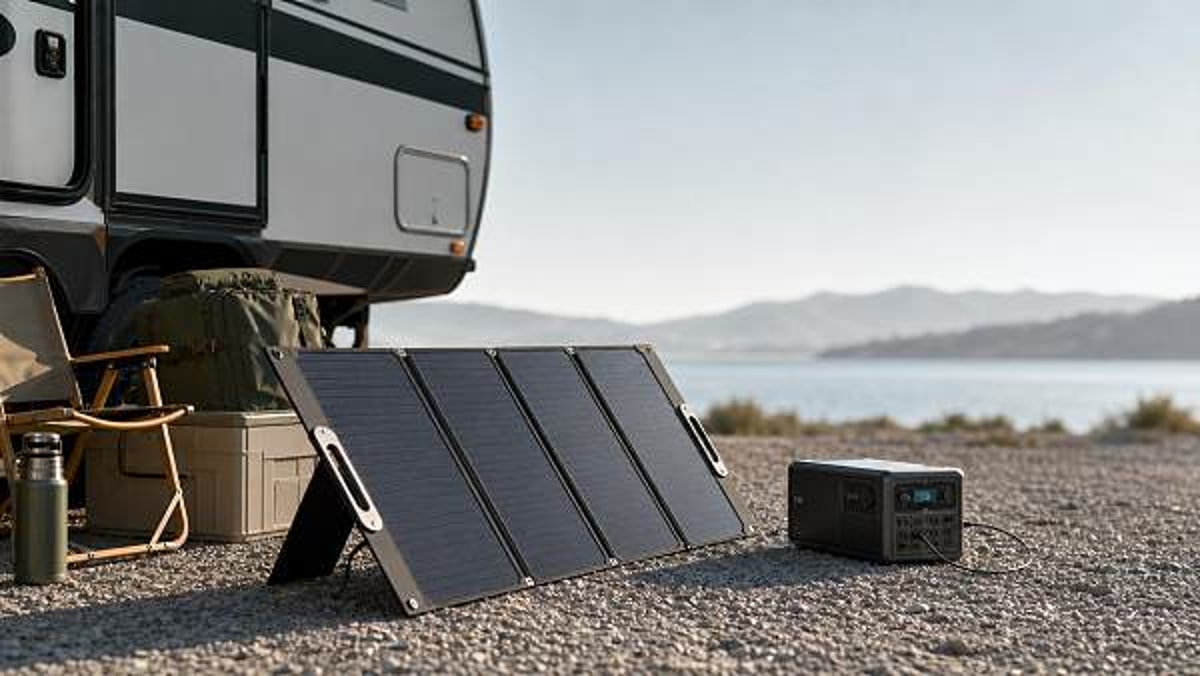
In real travel use, the best portable solar panels are not always the ones with the highest advertised wattage. A 200W panel tested at noon under ideal sunlight may deliver far less in cloud cover, partial shading, or winter travel. For most consumers, practical performance depends on 4 factors: usable output, portability, durability, and setup speed.
Rated Power vs Usable Power
A useful rule is to expect around 60% to 80% of rated power in typical outdoor travel conditions. For example, a 100W foldable panel may often produce 65W to 75W in clear but non-ideal sun, while a 200W panel may sit in the 120W to 160W range depending on angle, temperature, and battery controller efficiency. This gap is one of the most misunderstood issues when comparing portable solar panels.
Why travel conditions reduce output
- Panels are rarely aligned at the perfect angle for more than 1 to 2 hours.
- Heat can reduce efficiency, especially in dark fabric-backed foldable designs.
- Partial shading from trees, roof racks, or tent lines can sharply cut production.
- Longer cables and poor connectors can create additional conversion losses.
Weight, Foldability, and Packing Efficiency
For car campers, a panel weighing 4kg to 6kg may be manageable. For van users with frequent setup, 6kg to 9kg can still work if the panel folds compactly and includes a durable handle. For hikers or minimalist travelers, even 3kg can feel heavy if the panel is awkward to strap, lacks protective corners, or needs separate stands and adapter kits.
Travel-friendly portable solar panels should not only fold; they should fold into a shape that fits around existing luggage. A rigid-framed 120W unit may outperform a soft folding alternative, but if it consumes too much cargo space, users often leave it behind. In real buying behavior, a panel that gets packed every trip is more valuable than one with better lab efficiency but poor portability.
Durability Over Repeated Trips
Travel puts different stress on equipment than home backup use. A panel may be opened and closed 50 to 100 times in a season, exposed to road dust, morning condensation, and occasional light rain. Hinge wear, stitching quality, corner protection, and junction box sealing all influence whether portable solar panels remain reliable after repeated transport.
Consumers should pay attention to surface materials as well. ETFE-coated panels are often preferred for outdoor mobility because they generally resist abrasion and dirt better than older PET-based surfaces. While no material makes a panel indestructible, tougher outer layers can reduce performance loss over 12 to 24 months of active use.
The comparison below shows how different design priorities affect real-world travel value. It is more useful than headline wattage alone when narrowing options.
The key takeaway is that better portable solar panels are matched to energy demand and travel style. Oversizing can add cost and cargo burden, while undersizing often leads to daily charging shortfalls. A balanced choice usually starts with actual power needs over a 24-hour period rather than product marketing claims.
How to Choose the Right Portable Solar Panels for Different Travel Scenarios
Choosing portable solar panels becomes easier when the decision starts with scenario planning. A traveler running only phones, lights, and a small fan needs a very different setup from someone charging a 500Wh to 1000Wh power station, drone batteries, or camera gear. The smartest buying process is to map energy use, charging time, and storage limitations first.
Scenario 1: Light Travel and Weekend Camping
For short trips of 1 to 3 days, a 30W to 60W panel is often enough for phones, headlamps, GPS units, and small USB battery banks. In this category, the best portable solar panels emphasize speed and convenience. Integrated USB-A or USB-C output can be useful, but users should still check whether charging remains stable in passing clouds.
Setup time matters more than many buyers expect. If opening the panel, placing the stand, and connecting the cable takes more than 3 to 5 minutes each stop, users become less likely to use it during short daylight windows. Fast deployment is a real performance factor, not a cosmetic one.
Scenario 2: Power Station Charging for Multi-Day Use
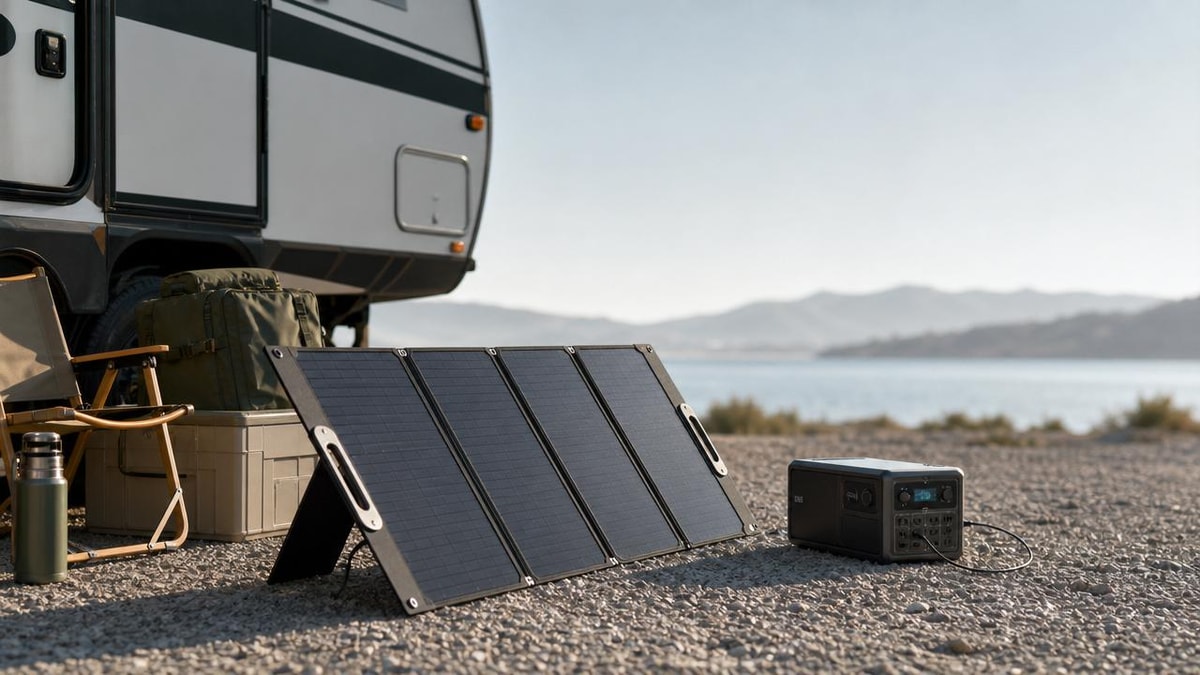
For 2 to 5 days off-grid, consumers often pair portable solar panels with a battery station between 300Wh and 1000Wh. Here, 100W to 200W is usually the practical range. Below that, recharge time may become too slow, especially if sunlight is inconsistent or if users also consume power during the day.
A common planning benchmark is this: if a traveler needs to recover 300Wh in a day, the panel must account for charging losses and imperfect sunlight. In many cases, that means a 120W to 200W panel rather than a nominal 100W unit. This is why many experienced users size one step above their theoretical minimum.
Scenario 3: Van Travel, Overlanding, and Mixed Weather
Longer journeys introduce weather variability, limited parking orientation, and more frequent handling. In these conditions, better portable solar panels usually have reinforced kickstands, abrasion-resistant surfaces, and broad compatibility with charge controllers or power stations. A panel that survives 20 windy setups without stand failure may deliver more long-term value than a slightly more efficient but fragile alternative.
Four selection criteria that matter most
- Daily energy target in Wh, not just panel wattage.
- Folded size relative to vehicle or luggage space.
- Connector compatibility, especially MC4, DC barrel, or regulated USB-C PD.
- Weather resilience for repeated outdoor use across 3 seasons or more.
The table below helps translate travel habits into a more realistic buying decision. It can reduce the risk of choosing portable solar panels that look right on paper but underperform in practice.
This comparison shows that there is no single best panel for every traveler. Better portable solar panels are the ones that align with actual use cycles, available daylight, and the charging ecosystem already in the vehicle or travel kit.
Common Buying Mistakes and Performance Risks
The biggest mistake consumers make is buying by wattage alone. A low-cost 200W panel with weak stitching, unstable stands, and poor connector tolerances may create more frustration than a well-built 120W option. In travel products, reliability often protects value better than headline specifications.
Mistake 1: Ignoring Battery and Input Limits
Many portable power stations have specific voltage and current input windows. If the panel output does not match those ranges, charging may be slow or may not start at all. Before buying portable solar panels, users should check at least 3 technical points: open-circuit voltage, operating current, and connector type.
Mistake 2: Overlooking Setup Stability
Kickstands and support legs are often treated as secondary features, but they directly affect performance. If a stand collapses in moderate wind, the charging angle changes, dust gets on the surface, and the panel may be damaged. Travel users should inspect hinge reinforcement, stand attachment points, and whether the panel remains stable on gravel, sand, or uneven ground.
Mistake 3: Expecting Full Performance in All Weather
Portable solar panels perform best in direct sun, but travel conditions are rarely perfect. Cloudy weather can reduce output substantially, and winter sun angles can shorten productive charging windows to 3 to 5 hours in some locations. Buyers who need dependable off-grid energy should plan with a margin rather than assuming all-day peak production.
A practical pre-purchase checklist
- Confirm the battery or power station input range before ordering.
- Estimate daily energy use in Wh across 24 hours.
- Check folded dimensions against trunk, van, or backpack space.
- Review whether cables, adapters, and stand system are included.
- Assess likely use frequency: occasional backup, weekly camping, or full travel season.
- Look for realistic expectations of 60% to 80% field output, not only peak specs.
For consumer buyers researching this category through industry-focused platforms, the most valuable information is rarely the loudest marketing claim. It is the combination of field-relevant design details, compatibility transparency, and use-case fit. That is especially true in green energy products, where technology, portability, and buying confidence now intersect.
How Informed Comparison Leads to Better Travel Energy Decisions
Portable solar panels deliver the most value when buyers evaluate them as part of a complete travel energy system. That system includes daily load, battery storage, transport limits, and how often the panel will actually be deployed. In many cases, the strongest option is not the largest panel, but the one that can be used consistently over 10, 20, or 50 trips without becoming a burden.
For end consumers navigating an increasingly crowded market, clear product intelligence matters. TradeNexus Pro tracks the broader shifts behind categories like portable solar panels, where manufacturing quality, connector standards, material choices, and mobile energy demand all shape product value. If you want deeper comparisons, practical sourcing insights, or more solution-focused guidance on travel power products, contact us to explore more tailored recommendations and market intelligence.
Get weekly intelligence in your inbox.
No noise. No sponsored content. Pure intelligence.
 May 07, 2026Sustainable Building Materials That Cut Carbon Without Cutting DurabilitySustainable Building Materials That Cut Carbon Without Cutting Durability
 May 07, 2026Green Hydrogen Production: What Decides Whether a Project ScalesGreen Hydrogen Production: What Decides Whether a Project Scales
 May 07, 2026Wind Turbine Blades: Why Repairs Cost More Than PlannedWind Turbine Blades: Why Repairs Cost More Than Planned
 May 07, 2026Folding Solar Chargers: What Real Output Looks Like OutdoorsFolding Solar Chargers: What Real Output Looks Like Outdoors
 May 07, 2026Vehicle to Grid Revenue Looks Attractive, but What Are the Limits?Vehicle to Grid Revenue Looks Attractive, but What Are the Limits?
 May 07, 2026Wireless EV Charging Sounds Easy, So Why Is Adoption Slow?Wireless EV Charging Sounds Easy, So Why Is Adoption Slow?
 May 07, 2026Floating Solar Farms: The Hidden Tradeoffs Behind Water SavingsFloating Solar Farms: The Hidden Tradeoffs Behind Water Savings
 May 07, 2026Geothermal Heat Pumps: Why Installation Quotes Differ So WidelyGeothermal Heat Pumps: Why Installation Quotes Differ So Widely
 May 07, 2026Sodium Ion Batteries: Where They Make Sense Before 2030Sodium Ion Batteries: Where They Make Sense Before 2030
 May 07, 2026EV Battery Recycling Is Growing, but the Supply Chain Isn’t ReadyEV Battery Recycling Is Growing, but the Supply Chain Isn’t Ready
 May 07, 2026BMS Boards Selection Problems That Show Up After InstallationBMS Boards Selection Problems That Show Up After Installation
 May 07, 2026Deep Cycle Batteries: Why Runtime Estimates Often Miss the MarkDeep Cycle Batteries: Why Runtime Estimates Often Miss the Mark
 May 07, 2026Carbon Capture Technology Projects Often Stall at This StageCarbon Capture Technology Projects Often Stall at This Stage
 May 07, 2026What Makes Offshore Wind Technology So Expensive to Deploy?What Makes Offshore Wind Technology So Expensive to Deploy?
 May 07, 2026EV Charging Cables: Small Spec Differences, Big Fit ProblemsEV Charging Cables: Small Spec Differences, Big Fit Problems
 May 07, 2026Solid State Batteries: Progress Is Real, Timelines Are Not SimpleSolid State Batteries: Progress Is Real, Timelines Are Not Simple
 May 07, 2026Microgrid Controllers: What Changes Once Systems Scale UpMicrogrid Controllers: What Changes Once Systems Scale Up
 May 07, 2026Energy Efficient HVAC Claims That Deserve a Closer LookEnergy Efficient HVAC Claims That Deserve a Closer Look
 May 07, 2026Biomass Energy Equipment: Why Maintenance Costs Vary So MuchBiomass Energy Equipment: Why Maintenance Costs Vary So Much
 May 07, 2026Smart Meters Wholesale: Which Specs Matter Most in Bulk OrdersSmart Meters Wholesale: Which Specs Matter Most in Bulk Orders
 May 07, 2026Commercial Energy Storage Sizing Mistakes That Raise CostsCommercial Energy Storage Sizing Mistakes That Raise Costs
 May 07, 2026Residential Solar Kits: What Gets Overlooked Before BuyingResidential Solar Kits: What Gets Overlooked Before Buying
 May 07, 2026V2G Technology Is Moving Fast, but What Still Holds It Back?V2G Technology Is Moving Fast, but What Still Holds It Back?
 May 07, 2026Smart Street Lighting Upgrades: Where Savings Often SlipSmart Street Lighting Upgrades: Where Savings Often Slip
 May 07, 2026Portable Solar Panels That Work Better in Real Travel UsePortable Solar Panels That Work Better in Real Travel Use
 May 07, 2026How to Compare AGM Batteries Wholesale Beyond Unit PriceHow to Compare AGM Batteries Wholesale Beyond Unit Price
 May 07, 2026Do Solar Water Heaters Still Pay Off in Mild Climates?Do Solar Water Heaters Still Pay Off in Mild Climates?