How to Judge Cost-Effective Hybrid Inverter Options
For enterprise decision-makers evaluating energy investments, identifying hybrid inverters cost-effective solutions requires more than comparing upfront prices. The right option must balance efficiency, scalability, lifecycle value, and supply chain reliability. This guide outlines practical criteria to judge performance, long-term returns, and procurement risks, helping businesses make smarter, data-driven choices in a rapidly evolving energy market.
Why a checklist-based approach works better than price comparison alone
For B2B buyers, a hybrid inverter is rarely a standalone purchase. It sits inside a larger energy strategy that may include battery storage, rooftop solar, diesel backup, EV charging, or site-level energy management. That is why judging hybrid inverters cost-effective solutions through a simple unit-price lens often leads to weak outcomes. A low-cost model can create hidden losses through poor conversion efficiency, limited battery compatibility, higher service rates, or long lead times for replacement parts.
A checklist-based method helps procurement leaders, plant managers, and operations executives focus on the variables that most affect lifecycle value. Instead of asking only “Which inverter is cheapest?”, the more strategic question is “Which option protects uptime, lowers total cost of ownership, and fits our operating profile over five to ten years?” This is especially relevant in green energy procurement, where return on investment depends on both technical performance and supplier resilience.
Start with these five pre-screening questions
Before comparing specifications, decision-makers should narrow the field with a short strategic filter. This avoids wasting time on products that look attractive on paper but do not match enterprise requirements.
- What is the primary business objective: backup continuity, demand charge reduction, solar self-consumption, off-grid resilience, or energy arbitrage?
- What is the expected operating environment: factory, warehouse, office campus, healthcare site, commercial building, or remote installation?
- What battery chemistry, capacity range, and future expansion plan must the inverter support?
- What uptime standard is required, and what is the acceptable risk of downtime during maintenance or component failure?
- What procurement constraints matter most: budget ceiling, certification requirements, installation timeline, or after-sales support coverage?
If a vendor cannot answer these points clearly, it is difficult to classify their offer as one of the truly hybrid inverters cost-effective solutions for enterprise deployment.
Core checklist: how to judge hybrid inverters cost-effective solutions
Use the following evaluation criteria as your main decision framework. These are the factors most likely to separate a low-price offer from a high-value one.
1. Conversion efficiency under real operating conditions
Do not rely only on peak efficiency figures. Ask for European efficiency, weighted efficiency, partial-load performance, and battery charge-discharge efficiency. Many sites do not run at full load for most of the day, so partial-load behavior has a direct impact on energy savings. A model with slightly higher purchase cost but consistently better real-world efficiency may outperform a cheaper alternative over its full service life.
2. Battery compatibility and control flexibility
One of the most important checks in hybrid inverters cost-effective solutions is battery integration. Confirm supported battery brands, communication protocols, state-of-charge management logic, and expansion flexibility. If the system locks the buyer into a narrow battery ecosystem, future costs may rise. Open or widely compatible architectures often create better long-term procurement leverage.
3. Scalability for future site growth
Enterprise energy demand often changes. Ask whether the inverter supports parallel operation, modular expansion, and integration with future storage capacity or additional solar arrays. A system that fits today but cannot scale may become expensive very quickly when production lines, warehouse automation, or facility loads increase.

4. Grid interaction and backup performance
Check grid export control, switching time during outages, black start capability, and support for critical load prioritization. For facilities where power quality affects output or safety, backup behavior is not a secondary feature. It is central to risk management. Hybrid inverters cost-effective solutions should not only save energy; they should also reduce business interruption exposure.
5. Monitoring, diagnostics, and software visibility
A cost-effective product should reduce operational blind spots. Evaluate dashboard quality, remote diagnostics, API access, alarm logic, user roles, and integration with energy management systems. Better software can cut maintenance costs, shorten troubleshooting time, and improve reporting for sustainability and finance teams.
6. Certifications, compliance, and market fit
Confirm local grid compliance, safety certifications, thermal performance ratings, and installer acceptance in the target market. A lower-cost unit that fails local interconnection standards can delay projects and increase reengineering costs. For global procurement teams, market-specific certification readiness is a major screening factor.
7. Warranty structure and service responsiveness
Do not look only at warranty length. Review what is covered, response times, labor exclusions, replacement logistics, and regional service partners. In practice, an eight-year warranty with fast support can deliver more value than a ten-year warranty with weak execution. For mission-critical facilities, service-level commitments matter as much as hardware specs.
8. Supplier bankability and supply chain continuity
Judging hybrid inverters cost-effective solutions also means evaluating the vendor behind the product. Review manufacturing scale, financial stability, parts availability, and record of supporting installed fleets. If replacement boards or firmware updates become difficult to secure after two years, the original cost advantage may disappear.
Quick comparison table for enterprise buyers
The table below can be used during vendor shortlisting meetings or request-for-quotation reviews.
What changes by use case: site-specific decision points
The best hybrid inverters cost-effective solutions differ by operating scenario. The same product may be excellent for one site and inefficient for another.
Manufacturing facilities
Prioritize load stability, surge handling, thermal resilience, and protection against production interruptions. If machinery creates variable demand spikes, inverter sizing and transient response become critical. Here, under-specifying the inverter can be more expensive than paying for a stronger model.
Warehousing and logistics centers
Look closely at backup continuity for lighting, automation, refrigeration, and charging infrastructure. Facilities with round-the-clock operations benefit from strong remote monitoring and fast maintenance response. Procurement should also evaluate compatibility with future smart energy controls.
Commercial buildings and office campuses
Demand charge reduction, solar self-consumption, and reporting visibility often matter most. In these settings, software quality and energy optimization logic can significantly influence the final ROI. A technically decent but operationally opaque system may underperform in finance reviews.
Healthcare and critical operations
For sensitive environments, reliability, redundancy planning, compliance, and service assurance should outrank aggressive price targets. Hybrid inverters cost-effective solutions in this segment are those that protect continuity and audit readiness, not simply those with the lowest capex.
Commonly overlooked issues that change the real ROI
- Undersized or poorly matched battery systems that prevent the inverter from operating at its best efficiency window.
- Firmware limitations that restrict future integration with energy management platforms or third-party batteries.
- Cooling and ambient temperature constraints that reduce output in hot industrial environments.
- Installer capability gaps, which can lead to incorrect configuration and warranty disputes.
- Long replacement lead times for key components, especially in globally sourced procurement programs.
- Weak data transparency, making it difficult to verify projected savings after commissioning.
These details often determine whether a proposal remains one of the genuine hybrid inverters cost-effective solutions after deployment, not just during bidding.
A practical execution plan for procurement teams
To move from evaluation to confident selection, enterprise buyers should follow a disciplined sourcing workflow:
- Define the site profile, operating loads, resilience requirements, and energy objectives.
- Request standardized technical and commercial data from all shortlisted suppliers.
- Score each option across efficiency, battery flexibility, software, compliance, service, and supply chain reliability.
- Model total cost of ownership, not just purchase price, including maintenance, downtime exposure, and expansion costs.
- Validate references from similar installations in comparable climate and load conditions.
- Clarify post-sale support, parts stocking, and escalation procedures before final award.
This process aligns well with how informed B2B intelligence platforms such as TradeNexus Pro help decision-makers compare suppliers on substance rather than marketing claims. In complex energy procurement, better information quality directly improves capital allocation decisions.
Final decision guidance and next-step questions
The best hybrid inverters cost-effective solutions are those that match the business case, perform reliably in real conditions, and remain supportable throughout their lifecycle. For enterprise decision-makers, the right choice usually comes from balancing efficiency, battery compatibility, site resilience, service coverage, and vendor credibility rather than chasing the lowest initial quote.
If your organization is preparing to shortlist suppliers or compare proposals, prioritize these questions in early discussions: Which load profile was used for sizing? What battery platforms are fully validated? What service response time is contractually supported? How are firmware updates managed? What local certifications are already in place? What spare parts are regionally stocked? And what assumptions drive the projected payback model?
Answering those points early will help your team identify hybrid inverters cost-effective solutions with greater confidence, lower procurement risk, and stronger long-term returns.
Get weekly intelligence in your inbox.
No noise. No sponsored content. Pure intelligence.
 May 01, 2026Beijing’s New E-Bike Rules Trigger Dual-Certification Demand for China’s Swappable Battery CabinetsBeijing’s New E-Bike Rules Trigger Dual-Certification Demand for China’s Swappable Battery Cabinets
 May 01, 2026GNA’s GEO Service Assessment Elevates AI Search as Digital Procurement Metric for Chinese ExportersGNA’s GEO Service Assessment Elevates AI Search as Digital Procurement Metric for Chinese Exporters
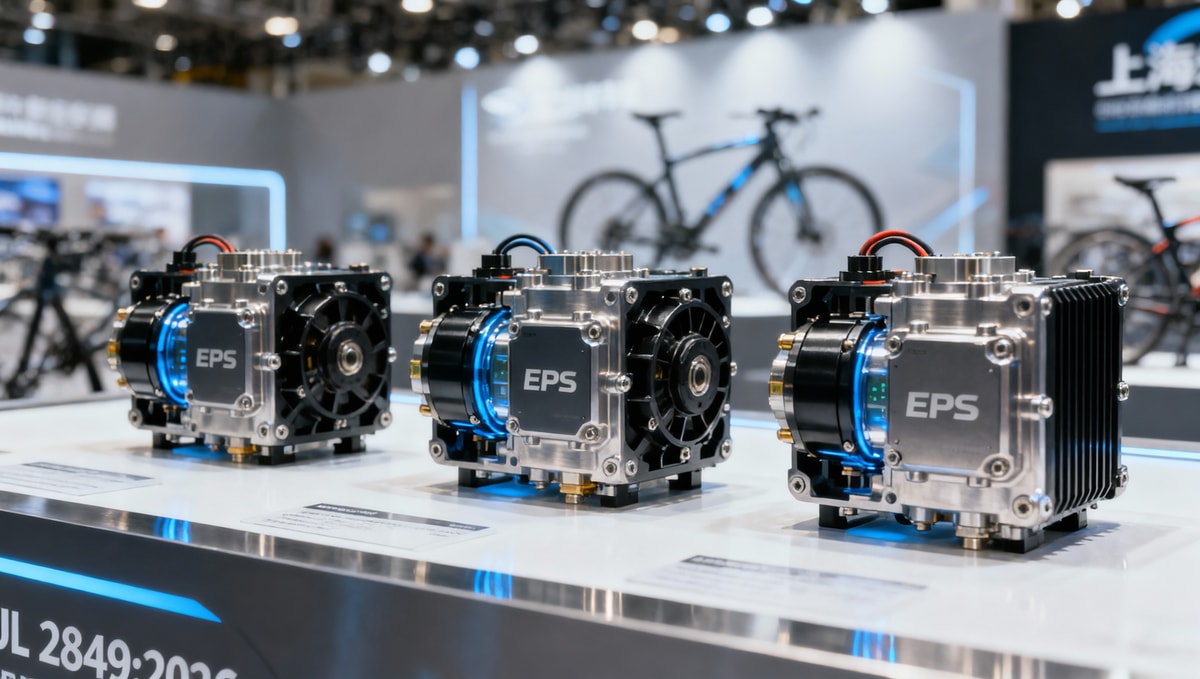
 May 01, 20262026 China Cycle Expo: Chinese EPS Systems Achieve UL 2849:2026 Full Certification2026 China Cycle Expo: Chinese EPS Systems Achieve UL 2849:2026 Full Certification
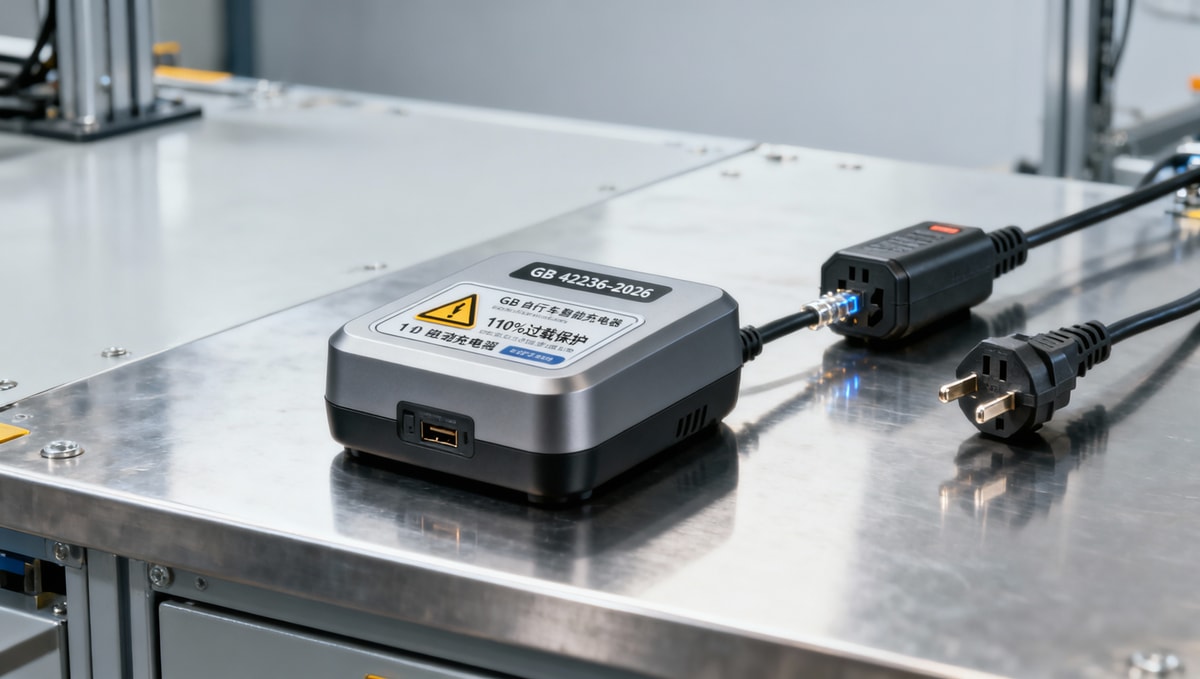
 May 01, 2026GB 42236-2026 Enforces EV Charger Efficiency & Overload Protection from May 2026GB 42236-2026 Enforces EV Charger Efficiency & Overload Protection from May 2026
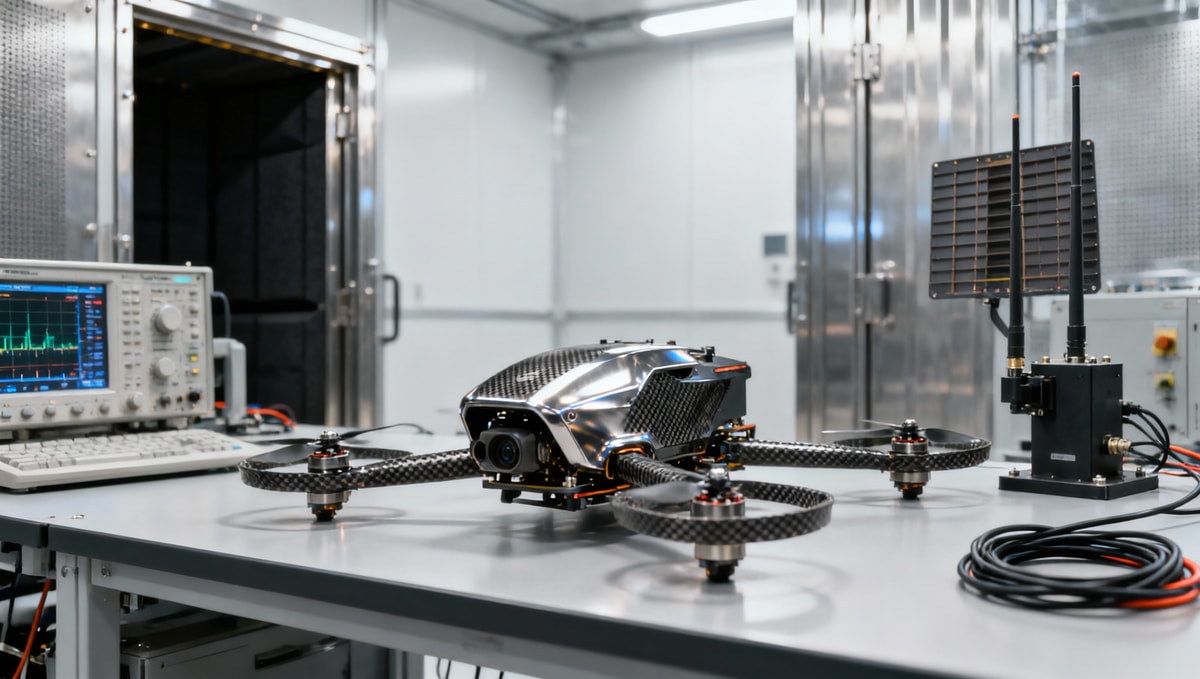
 May 01, 2026GB/T 43790-2026 Drone EMC Standard Effective May 2026GB/T 43790-2026 Drone EMC Standard Effective May 2026
 May 01, 20262026 Foshan Tanzhou Auto Industry Expo Opens2026 Foshan Tanzhou Auto Industry Expo Opens
 May 01, 2026China’s New Hazardous Chemicals Safety Law Takes Effect May 2026China’s New Hazardous Chemicals Safety Law Takes Effect May 2026
 May 01, 2026New Maritime and Fisheries Laws Take Effect May 1, 2026New Maritime and Fisheries Laws Take Effect May 1, 2026
 May 01, 2026Supply Chain Automation Works Best Where Delays RepeatSupply Chain Automation Works Best Where Delays Repeat
 May 01, 2026High Strength Steel Forgings: What Should Be Tested First?High Strength Steel Forgings: What Should Be Tested First?
 May 01, 2026Automotive Steel Forging: Cost Pressure vs Part ReliabilityAutomotive Steel Forging: Cost Pressure vs Part Reliability
 May 01, 2026Why High Durability Steel Forgings Fail Earlier Than ExpectedWhy High Durability Steel Forgings Fail Earlier Than Expected
 May 01, 2026Construction Aluminum Extrusions: Which Finish Lasts Longer?Construction Aluminum Extrusions: Which Finish Lasts Longer?
 May 01, 2026Lightweight Aluminum Extrusions: Where Savings Really HappenLightweight Aluminum Extrusions: Where Savings Really Happen
 May 01, 2026Aerospace Aluminum Extrusions Need More Than Low WeightAerospace Aluminum Extrusions Need More Than Low Weight
 May 01, 2026Precision Lathe Turning Problems That Show Up After AssemblyPrecision Lathe Turning Problems That Show Up After Assembly
 May 01, 2026High Precision Lathe Turning: Tolerance Claims to VerifyHigh Precision Lathe Turning: Tolerance Claims to Verify
 May 01, 2026When CNC Lathe Turning Is Better Than General MachiningWhen CNC Lathe Turning Is Better Than General Machining
 May 01, 2026Medical Device Prototyping Needs More Than SpeedMedical Device Prototyping Needs More Than Speed
 May 01, 20263D Printing Prototyping: Fast Turnaround or Better Finish?3D Printing Prototyping: Fast Turnaround or Better Finish?
 May 01, 2026Low Cost Rapid Prototyping: Where Quality Gets LostLow Cost Rapid Prototyping: Where Quality Gets Lost
 May 01, 2026Quick EV Charger Installation Still Needs Site ChecksQuick EV Charger Installation Still Needs Site Checks
 May 01, 2026Public Parking EV Chargers: What Slows Installation DownPublic Parking EV Chargers: What Slows Installation Down
 May 01, 2026Choosing a Lithium Ion Battery Manufacturer in ChinaChoosing a Lithium Ion Battery Manufacturer in China
 May 01, 2026How to Vet a Lithium Ion Battery OEM SupplierHow to Vet a Lithium Ion Battery OEM Supplier
 May 01, 2026EV Lithium Ion Batteries: Range Is Not the Only MetricEV Lithium Ion Batteries: Range Is Not the Only Metric
 May 01, 2026Lithium Ion ESS Batteries: Safety Details Worth CheckingLithium Ion ESS Batteries: Safety Details Worth Checking