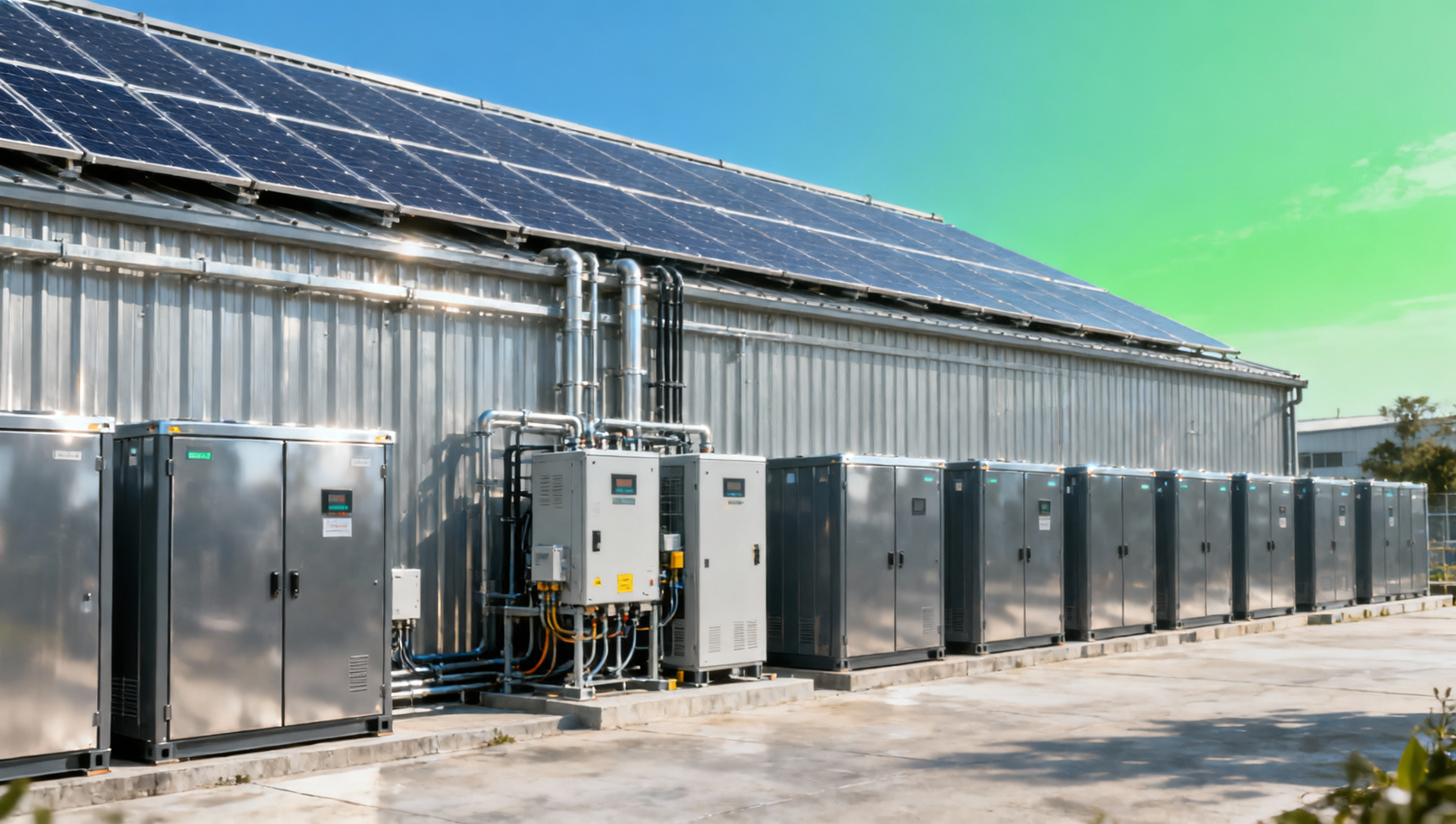
Off grid solar systems: How to choose the right size for your needs?
Why system sizing matters for off grid solar installations
Selecting the appropriate system size for off grid solar applications directly impacts energy reliability, operational costs, and return on investment (ROI). A 2023 market analysis by Green Energy Insights reveals that 68% of off grid solar project failures stem from improper sizing, leading to either insufficient power supply during peak demand or excessive capital expenditure on oversized systems. Modern advancements in sodium ion batteries (offering 4,000+ cycle lifespans) and bifacial solar panels (boosting energy yield by 15–25%) have expanded design flexibility, but also increased complexity in system configuration.
For procurement directors and project managers, the challenge lies in balancing immediate power requirements with long-term scalability. A 5kW system may suffice for a small remote monitoring station, while industrial applications like mining operations or agricultural processing facilities often demand 50kW–200kW solutions. The integration of solar microinverters now enables module-level power optimization, reducing energy loss from shading by up to 30% compared to traditional string inverter setups.
Key parameters for system sizing calculations
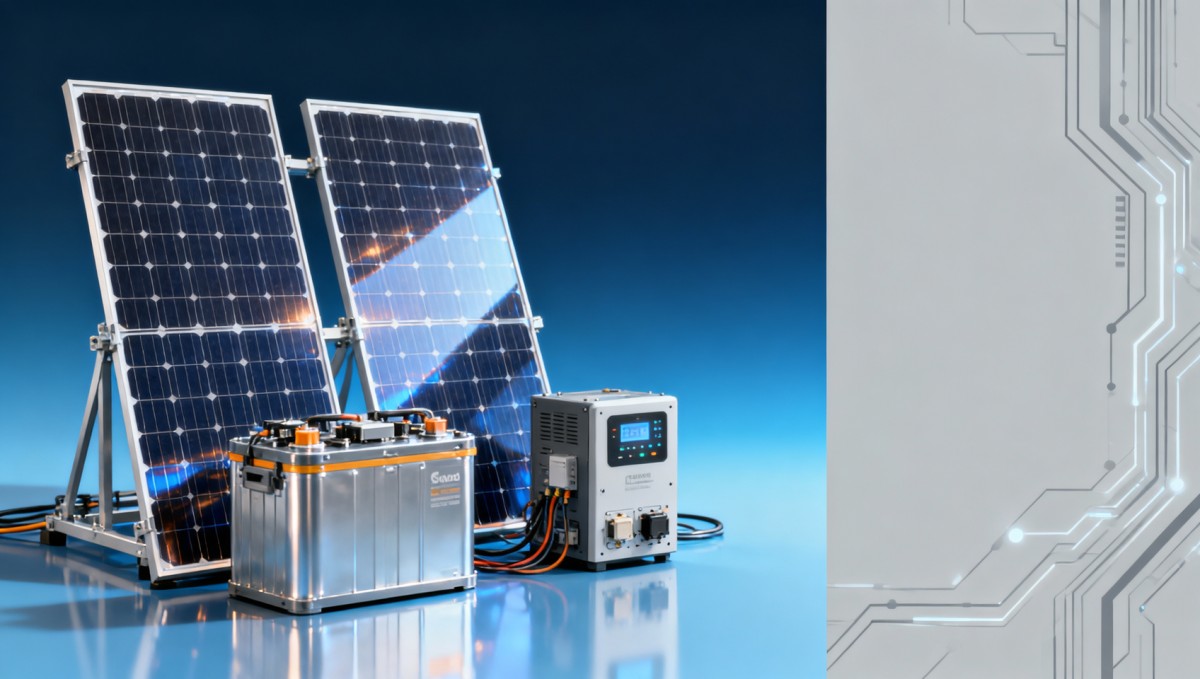
Accurate sizing requires evaluating four core parameters: daily energy consumption (kWh/day), peak load (kW), autonomy requirement (days of backup), and geographic solar irradiance (kWh/m²/day). For example, a remote telecommunications tower consuming 12kWh/day with 3 days of autonomy in a region receiving 5.2kWh/m²/day would require:
- Solar array: 12kWh ÷ 5.2kWh/m²/day × 1.3 (system losses) = 3kWp
- Battery bank: 12kWh × 3 days ÷ 0.8 (DoD limit) ÷ 48V = 93.75Ah (or 4,500Ah at 12V)
The table below illustrates typical sizing ranges for common off grid applications:
This data underscores the importance of application-specific sizing. A 10kW system suitable for a small farm may prove inadequate for powering a 50HP water pump used in large-scale agriculture, where peak loads can exceed 37kW during startup.
Technology selection criteria for optimal performance
Modern off grid systems leverage three breakthrough technologies: sodium ion batteries, solid state batteries, and thin film solar cells. Sodium ion batteries, priced 20–30% lower than lithium-ion equivalents, offer stable performance in temperatures ranging from -20°C to 60°C, making them ideal for cold-climate installations. Solid state batteries, though currently 2–3x more expensive, provide 2–4x faster charging rates and improved safety profiles by eliminating liquid electrolytes.
Thin film solar cells excel in diffuse light conditions, maintaining 85–90% of their rated output on cloudy days compared to 70–75% for crystalline silicon modules. When combined with bifacial panels, which capture reflected light from surfaces like snow or concrete, overall system efficiency can reach 22–24%—a 40% improvement over first-generation off grid setups.
Component compatibility matrix
The following table outlines technology combinations optimized for specific environments:
For technical evaluators, these combinations reduce degradation rates by 35–50% compared to generic configurations. A mining operation in Chile’s Atacama Desert reported a 42% lower maintenance cost after switching to solid state batteries with thin film solar arrays, despite a 18% higher initial investment.
Procurement checklist for decision-makers
Global procurement directors face unique challenges in off grid solar sourcing, including fragmented supplier landscapes and varying regional certifications. A 2022 survey by Supply Chain SaaS Review found that 53% of B2B buyers spend 4–6 weeks evaluating technical specifications before finalizing suppliers. The following checklist streamlines this process:
- Verify IEC 62109-1/2 compliance for solar inverters and IEC 62660-2 for batteries
- Demand 3–5 years of performance data from suppliers, focusing on degradation rates under real-world conditions
- Evaluate local service network coverage—aim for ≤48-hour response times in critical applications
- Require bankability reports from third-party agencies like BloombergNEF or PV Evolution Labs
Cost-benefit analysis framework
When comparing proposals, use this formula to calculate levelized cost of energy (LCOE):
LCOE = (Total System Cost - Residual Value) ÷ (Annual Energy Production × System Lifespan)
For a 10kW system with $25,000 capital cost, $2,500 residual value after 15 years, and 14,600kWh/year production, the LCOE equals $0.12/kWh—competitive with diesel generators in most remote regions. Factor in rising fuel costs (projected 3–5% annual increase) and carbon taxes, and solar’s economic advantage becomes even clearer.
Why partner with TradeNexus Pro for off grid solar solutions
As the only B2B intelligence platform with dedicated verticals for Green Energy and Advanced Manufacturing, TradeNexus Pro offers unparalleled access to vetted suppliers and technical expertise. Our proprietary supplier scoring system evaluates 120+ data points, including:
- Certification completeness (IEC, UL, TÜV)
- Production capacity utilization rates
- R&D investment as % of revenue
- Historical project failure rates
For enterprises planning off grid solar deployments, our team provides:
- Custom sizing calculations using PVsyst and HOMER Pro simulation tools
- Supplier shortlists matching your technical and compliance requirements
- Benchmarking against 2,300+ completed projects in our database
To initiate a no-obligation consultation, submit your project specifications through our technical evaluation portal. Our team responds within 24 hours with preliminary sizing recommendations and supplier matches tailored to your industry sector.
Get weekly intelligence in your inbox.
No noise. No sponsored content. Pure intelligence.
 Apr 18, 2026TradeNexus Pro Launches Global Compliance RadarTradeNexus Pro Launches Global Compliance Radar
 Apr 18, 2026JIS T 2304:2026 Takes Effect June 1, 2026 for IVD SoftwareJIS T 2304:2026 Takes Effect June 1, 2026 for IVD Software
 Pathway for Rehab Devices with AI Modules") Apr 18, 2026FDA Updates 510(k) Pathway for Rehab Devices with AI ModulesFDA Updates 510(k) Pathway for Rehab Devices with AI Modules
Apr 18, 2026FDA Updates 510(k) Pathway for Rehab Devices with AI ModulesFDA Updates 510(k) Pathway for Rehab Devices with AI Modules Apr 18, 2026India BIS Approves 3 Chinese IoT Labs for IS 16444:2026 CertificationIndia BIS Approves 3 Chinese IoT Labs for IS 16444:2026 Certification
 Apr 18, 2026THE Alliance Launches Green Slot Priority for China PortsTHE Alliance Launches Green Slot Priority for China Ports
 Apr 18, 2026TÜV Rheinland Releases Dual-Standard ESS Certification Guide for ChinaTÜV Rheinland Releases Dual-Standard ESS Certification Guide for China
 Apr 18, 2026Vietnam Imposes AD Duties on Chinese Electronic ComponentsVietnam Imposes AD Duties on Chinese Electronic Components
 Apr 18, 2026SASO Launches PV Carbon Footprint Labeling from July 2026SASO Launches PV Carbon Footprint Labeling from July 2026
 Apr 18, 2026U.S. Adds 17 Smart Warehouse Robot Components to Export Control ListU.S. Adds 17 Smart Warehouse Robot Components to Export Control List
 Apr 18, 2026EU Enforces EN IEC 62443-4-2:2026 for Industrial Control Devices from 18 Apr 2026EU Enforces EN IEC 62443-4-2:2026 for Industrial Control Devices from 18 Apr 2026
 Apr 17, 2026Temperature data loggers drift unpredictably inside lithium-ion battery storage enclosuresTemperature data loggers drift unpredictably inside lithium-ion battery storage enclosures
 Apr 17, 2026Are solar microinverters really worth the extra cost?Are solar microinverters really worth the extra cost?
 Apr 17, 2026Bifacial solar panels: How much more energy can they generate?Bifacial solar panels: How much more energy can they generate?
 Apr 17, 2026Gear manufacturing: How to optimize production for high precision?Gear manufacturing: How to optimize production for high precision?
 Apr 17, 2026Why power transmission components fail earlier than expectedWhy power transmission components fail earlier than expected
 Apr 17, 2026Linear motion systems: belt drive or ball screw for speed?Linear motion systems: belt drive or ball screw for speed?
 Apr 17, 2026Industrial bearing suppliers: what signals reliable quality?Industrial bearing suppliers: what signals reliable quality?
 Apr 17, 2026When pneumatic valves wholesale gets expensive laterWhen pneumatic valves wholesale gets expensive later
 Apr 17, 2026Hydraulic cylinder fabrication mistakes that cause oil leaksHydraulic cylinder fabrication mistakes that cause oil leaks
 Apr 17, 2026Heavy equipment manufacturing delays often start hereHeavy equipment manufacturing delays often start here
 Apr 17, 2026Custom heatsinks: when a larger size solves nothingCustom heatsinks: when a larger size solves nothing
 Apr 17, 2026Electronic enclosure fabrication: steel or aluminum?Electronic enclosure fabrication: steel or aluminum?
 Apr 17, 2026Automotive parts machining tolerances that drive up scrapAutomotive parts machining tolerances that drive up scrap
 Apr 17, 2026Medical device manufacturing changes under tighter traceabilityMedical device manufacturing changes under tighter traceability
 Apr 17, 2026How to Choose Solid State Batteries in 2026How to Choose Solid State Batteries in 2026
 Apr 17, 2026Are Solid State Batteries Worth the Cost Yet?Are Solid State Batteries Worth the Cost Yet?
 Apr 17, 2026Commercial Energy Storage Sizing: What Matters Most?Commercial Energy Storage Sizing: What Matters Most?