Residential PV Modules: Which Specs Matter Most?
Choosing among photovoltaic modules for residential use can feel overwhelming when labels are packed with technical numbers. Yet a few core specifications—efficiency, power output, temperature coefficient, durability, and warranty—often determine long-term value more than price alone. This guide breaks down the specs that matter most, helping homeowners compare options with confidence and make smarter solar investments.
What residential solar module specifications really mean
For most homeowners, photovoltaic modules for residential use are judged first by wattage and price. Those numbers matter, but they do not tell the full story. A solar panel is a long-term energy asset expected to perform for 25 years or more, often through changing weather, roof heat, seasonal shading, and utility rate shifts. That is why understanding specifications is less about reading a label and more about predicting how a system will behave over time.
At a basic level, residential PV modules convert sunlight into usable electricity. Manufacturers publish standardized test values so buyers can compare products in a consistent way. However, real rooftops are rarely “standard.” A module that looks similar on paper may deliver very different value depending on available roof space, climate, installation orientation, and the homeowner’s energy goals. In practical terms, the best photovoltaic modules for residential use are the ones whose specifications match the home, not just the ones with the highest headline number.
This is also why trusted market analysis platforms such as TradeNexus Pro emphasize specification literacy. In a market shaped by rapid innovation, supply chain changes, and aggressive marketing claims, homeowners benefit from knowing which metrics are technically meaningful and which are simply promotional. A stronger understanding leads to better conversations with installers, more accurate payback estimates, and fewer disappointments after the system is installed.
Why the industry pays attention to these metrics
The residential solar market has matured quickly. Module makers now compete not only on cost, but also on cell architecture, degradation control, heat performance, and warranty support. For end consumers, this means more choice—but also more complexity. The most useful way to evaluate photovoltaic modules for residential use is to focus on the specifications that affect energy yield, reliability, and risk.
Industry professionals care about these metrics because solar economics are cumulative. A small efficiency gain can matter on a limited roof. A slightly better temperature coefficient can add meaningful output in hot summers. Lower annual degradation can protect savings over decades. And a stronger product warranty can reduce the financial risk of premature replacement. When homeowners understand these points, they are less likely to compare modules as if they were identical commodities.
The specifications that matter most
Efficiency: the roof-space multiplier
Efficiency measures the share of sunlight converted into electricity. In simple terms, higher-efficiency photovoltaic modules for residential use produce more power from the same panel area. This is especially valuable for homes with smaller roofs, dormers, skylights, chimneys, or partial shading that limit usable space.
If your roof has plenty of unobstructed area, a modestly lower efficiency panel may still meet your needs at a lower upfront cost. But when every square meter matters, efficiency often becomes one of the most important specifications. It should be viewed as a space optimization metric rather than a guarantee that one panel is always better than another.
Power output: useful, but not enough on its own
Rated power output, usually expressed in watts, is one of the most visible numbers on a module data sheet. Higher wattage often means the panel can produce more electricity under standard test conditions. But wattage alone can mislead consumers if it is separated from panel dimensions and efficiency. A physically larger panel may show higher wattage simply because it has more surface area.
For homeowners comparing photovoltaic modules for residential use, wattage is most meaningful when combined with the number of modules that fit on the roof and the total system design. A 430 W panel is not automatically a better choice than a 400 W panel if the roof layout, inverter pairing, or local heat conditions reduce real-world benefits.
Temperature coefficient: a hidden driver of real output
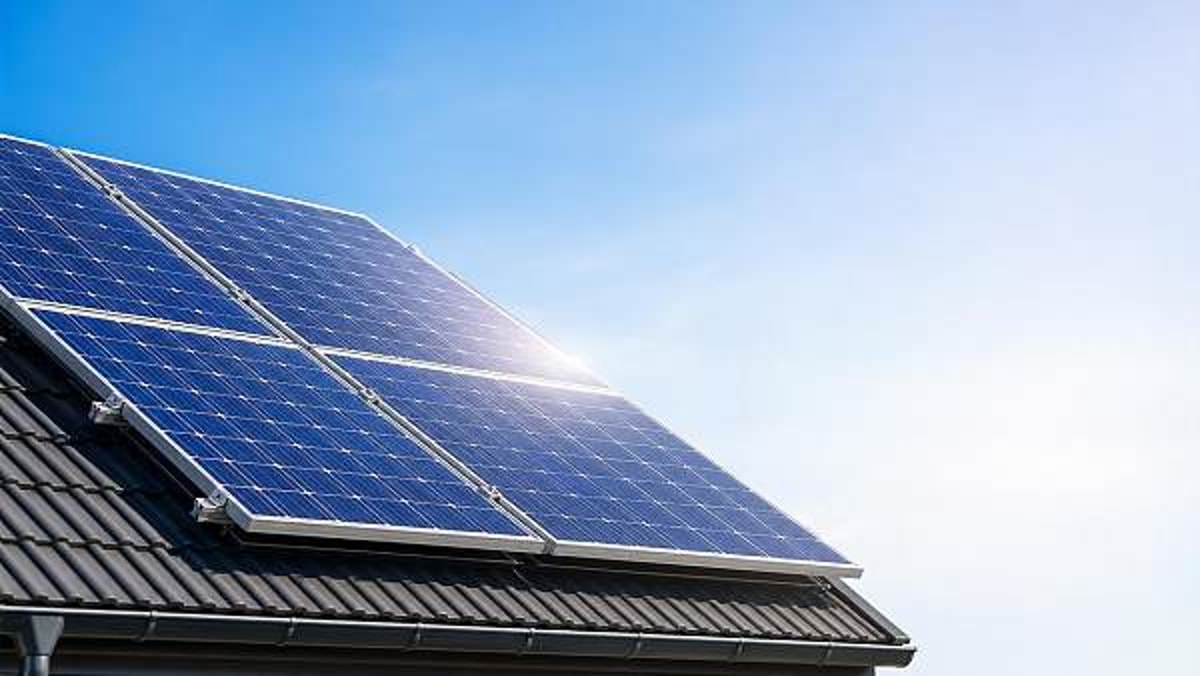
Solar modules become less efficient as they get hotter. The temperature coefficient shows how much output drops for every degree above the testing baseline. The closer this value is to zero, the better the panel tends to perform in hot conditions. This matters more than many homeowners realize, because rooftop surfaces can become significantly hotter than the surrounding air.
In sunny regions, a better temperature coefficient can improve annual production and strengthen the economics of the installation. Even in milder climates, heat performance is worth considering because summer peaks often coincide with higher air-conditioning demand. When discussing photovoltaic modules for residential use with an installer, ask not just how much a panel produces on paper, but how it performs during the hottest months.
Durability and load ratings: protection against the environment
Durability specifications indicate whether a module can tolerate wind, snow, hail, moisture, salt mist, and long-term outdoor exposure. For homeowners, these figures translate into confidence that the system can survive local environmental stress. Roof-mounted solar lives in a demanding setting, and the module must resist both daily wear and occasional severe events.
Key indicators include front and rear load ratings, impact resistance certifications, frame quality, and glass construction. Homeowners in coastal areas, snowy zones, or storm-prone regions should pay extra attention here. Durable photovoltaic modules for residential use may cost more initially, but they can lower the likelihood of downtime, damage claims, and early replacement.
Degradation: the long-term performance story
No solar panel keeps 100% of its original output forever. Degradation refers to the gradual loss of performance over time. Manufacturers usually specify a first-year decline and then an annual degradation rate. Lower degradation means more electricity generated over the life of the system and often a better return on investment.
This specification is especially important for homeowners planning to stay in their property for many years. Over 25 to 30 years, even small differences add up. When comparing photovoltaic modules for residential use, look beyond year-one marketing claims and review the guaranteed retained output at year 25 or year 30.
Warranty: product support and output assurance
A strong warranty does two jobs. The product warranty covers defects in materials and workmanship, while the performance warranty promises the panel will retain a certain percentage of output over time. Both matter. An impressive specification sheet loses value if after-sales support is weak or hard to access.
Because a residential solar system is expected to last decades, homeowners should consider the manufacturer’s reputation, market presence, and service track record in addition to warranty length. In practical decision-making, a credible 25-year warranty from a well-established brand may be more meaningful than a longer promise from a less proven supplier.
Which homeowners benefit most from each module profile
Not every household should prioritize the same specification. The right photovoltaic modules for residential use depend on the structure of the home, local climate, and budget strategy. Matching the module profile to the household situation usually produces better results than chasing a single “best panel” idea.
Common evaluation mistakes homeowners should avoid
One common mistake is assuming the highest wattage panel is always the smartest investment. Another is ignoring climate, roof shape, or degradation because they seem less visible than price. Homeowners also sometimes compare modules without asking whether the quoted system includes the same inverter type, mounting approach, and labor quality.
A more reliable approach is to compare photovoltaic modules for residential use within a full-system context. Ask installers for expected annual production, not just installed capacity. Review warranty details for both product and performance. Check whether module certifications fit your region’s weather profile. And remember that the cheapest option may become more expensive if it underperforms or degrades faster over time.
Practical steps for making a smarter residential solar decision
Start by identifying your real constraint. Is it roof area, summer heat, long-term savings, or upfront budget? Once that is clear, narrow your attention to the two or three specifications that most affect your outcome. This simplifies decision-making and keeps sales discussions grounded in your household needs.
Next, request side-by-side proposals that clearly show module efficiency, power rating, temperature coefficient, degradation assumptions, and warranty terms. A reputable installer should be able to explain why a certain module is being recommended for your home instead of relying on generic claims. If the explanation centers only on price or only on brand image, ask for more technical justification.
Finally, consider the quality of information behind the product choice. In a fast-evolving market, data-driven insight matters. Platforms such as TradeNexus Pro help readers understand broader industry developments, manufacturing quality signals, and strategic shifts shaping the green energy sector. For consumers, that translates into better questions, better filtering of vendor claims, and more confident investment decisions.
Frequently asked questions about photovoltaic modules for residential use
Is a higher-efficiency module always worth paying for?
Not always. Higher efficiency is most valuable when roof space is limited or when homeowners want to maximize production from a constrained layout. If roof area is abundant, a lower-cost panel with slightly lower efficiency may still deliver strong value.
How important is the temperature coefficient for residential systems?
It is very important in hot climates and still relevant elsewhere. Since rooftop panels can heat up well above ambient air temperature, this specification helps explain real-world performance better than wattage alone.
What warranty term should homeowners look for?
Many quality photovoltaic modules for residential use offer around 25 years of product and performance coverage, though exact terms vary. Focus on both the length and the credibility of the manufacturer providing the warranty.
Final perspective
The best photovoltaic modules for residential use are rarely defined by a single number. Efficiency, power output, temperature coefficient, durability, degradation, and warranty all contribute to the long-term result. For homeowners, the smartest path is to connect those specifications to real conditions: roof size, climate, expected ownership period, and financial priorities.
If you are comparing residential solar options, use specifications as decision tools rather than marketing noise. Ask for evidence, review lifetime performance assumptions, and choose a system matched to your home’s actual needs. A well-informed choice today can deliver cleaner energy, lower bills, and greater confidence for years to come.
Get weekly intelligence in your inbox.
No noise. No sponsored content. Pure intelligence.
 May 01, 2026Beijing’s New E-Bike Rules Trigger Dual-Certification Demand for China’s Swappable Battery CabinetsBeijing’s New E-Bike Rules Trigger Dual-Certification Demand for China’s Swappable Battery Cabinets
 May 01, 2026GNA’s GEO Service Assessment Elevates AI Search as Digital Procurement Metric for Chinese ExportersGNA’s GEO Service Assessment Elevates AI Search as Digital Procurement Metric for Chinese Exporters
 May 01, 20262026 China Cycle Expo: Chinese EPS Systems Achieve UL 2849:2026 Full Certification2026 China Cycle Expo: Chinese EPS Systems Achieve UL 2849:2026 Full Certification
 May 01, 2026GB 42236-2026 Enforces EV Charger Efficiency & Overload Protection from May 2026GB 42236-2026 Enforces EV Charger Efficiency & Overload Protection from May 2026
 May 01, 2026GB/T 43790-2026 Drone EMC Standard Effective May 2026GB/T 43790-2026 Drone EMC Standard Effective May 2026
 May 01, 20262026 Foshan Tanzhou Auto Industry Expo Opens2026 Foshan Tanzhou Auto Industry Expo Opens
 May 01, 2026China’s New Hazardous Chemicals Safety Law Takes Effect May 2026China’s New Hazardous Chemicals Safety Law Takes Effect May 2026
 May 01, 2026New Maritime and Fisheries Laws Take Effect May 1, 2026New Maritime and Fisheries Laws Take Effect May 1, 2026
 May 01, 2026Supply Chain Automation Works Best Where Delays RepeatSupply Chain Automation Works Best Where Delays Repeat
 May 01, 2026High Strength Steel Forgings: What Should Be Tested First?High Strength Steel Forgings: What Should Be Tested First?
 May 01, 2026Automotive Steel Forging: Cost Pressure vs Part ReliabilityAutomotive Steel Forging: Cost Pressure vs Part Reliability
 May 01, 2026Why High Durability Steel Forgings Fail Earlier Than ExpectedWhy High Durability Steel Forgings Fail Earlier Than Expected
 May 01, 2026Construction Aluminum Extrusions: Which Finish Lasts Longer?Construction Aluminum Extrusions: Which Finish Lasts Longer?
 May 01, 2026Lightweight Aluminum Extrusions: Where Savings Really HappenLightweight Aluminum Extrusions: Where Savings Really Happen
 May 01, 2026Aerospace Aluminum Extrusions Need More Than Low WeightAerospace Aluminum Extrusions Need More Than Low Weight
 May 01, 2026Precision Lathe Turning Problems That Show Up After AssemblyPrecision Lathe Turning Problems That Show Up After Assembly
 May 01, 2026High Precision Lathe Turning: Tolerance Claims to VerifyHigh Precision Lathe Turning: Tolerance Claims to Verify
 May 01, 2026When CNC Lathe Turning Is Better Than General MachiningWhen CNC Lathe Turning Is Better Than General Machining
 May 01, 2026Medical Device Prototyping Needs More Than SpeedMedical Device Prototyping Needs More Than Speed
 May 01, 20263D Printing Prototyping: Fast Turnaround or Better Finish?3D Printing Prototyping: Fast Turnaround or Better Finish?
 May 01, 2026Low Cost Rapid Prototyping: Where Quality Gets LostLow Cost Rapid Prototyping: Where Quality Gets Lost
 May 01, 2026Quick EV Charger Installation Still Needs Site ChecksQuick EV Charger Installation Still Needs Site Checks
 May 01, 2026Public Parking EV Chargers: What Slows Installation DownPublic Parking EV Chargers: What Slows Installation Down
 May 01, 2026Choosing a Lithium Ion Battery Manufacturer in ChinaChoosing a Lithium Ion Battery Manufacturer in China
 May 01, 2026How to Vet a Lithium Ion Battery OEM SupplierHow to Vet a Lithium Ion Battery OEM Supplier
 May 01, 2026EV Lithium Ion Batteries: Range Is Not the Only MetricEV Lithium Ion Batteries: Range Is Not the Only Metric
 May 01, 2026Lithium Ion ESS Batteries: Safety Details Worth CheckingLithium Ion ESS Batteries: Safety Details Worth Checking