When Off Grid Solar Systems Cost More Than Expected
Off grid solar systems often look like a smart path to energy independence, but the final price can rise far beyond the initial quote. From battery storage and inverter upgrades to installation, maintenance, and hidden site-specific costs, unexpected expenses are common. Understanding where these extra costs come from helps consumers plan better, avoid budget surprises, and choose a system that truly fits their long-term energy needs.
For households, cabins, farms, and remote properties, the promise of reliable self-generated power is attractive. Yet many buyers compare only panel prices or a basic starter package, then discover that a practical off grid solar system depends on far more than modules on a roof. Energy storage, power conversion, wiring, weather protection, backup planning, and long-term service all influence the real project cost.
In the broader green energy market, this cost gap matters because consumers are no longer buying a single product. They are making a 10- to 20-year infrastructure decision. A system that looks affordable on day 1 can become expensive by month 6 if sizing errors, battery limitations, or installation constraints force upgrades. That is why a clear breakdown of total ownership cost is more useful than a headline price.
Why Off Grid Solar Systems Often End Up Costing More
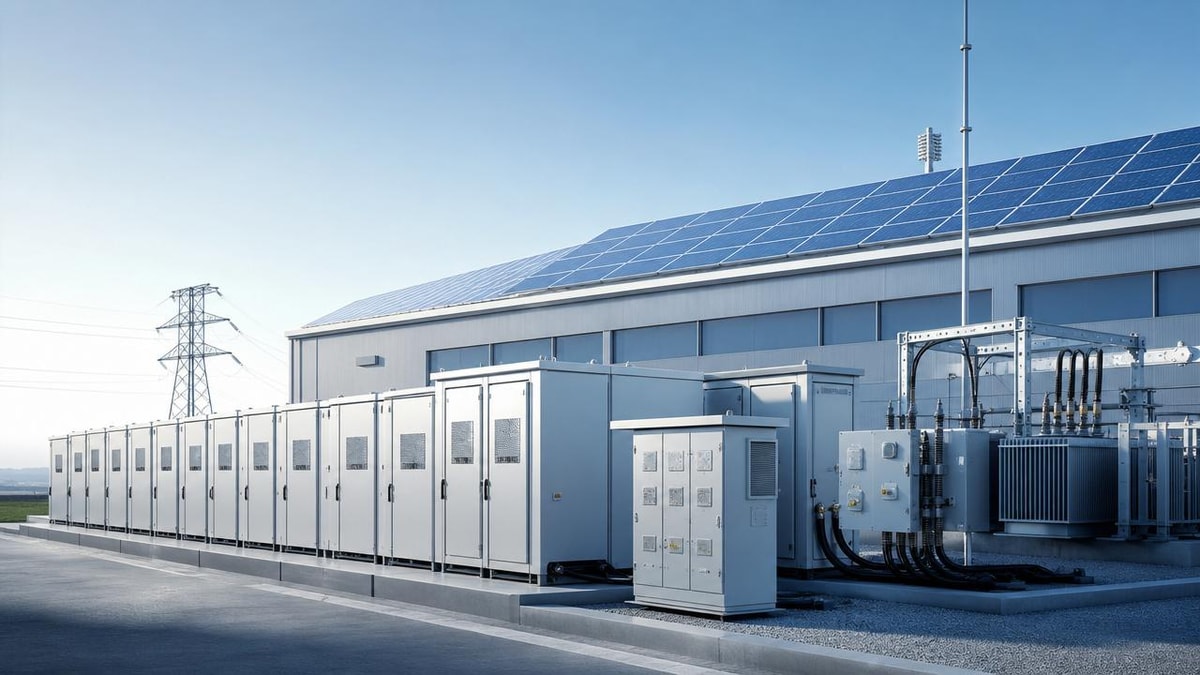
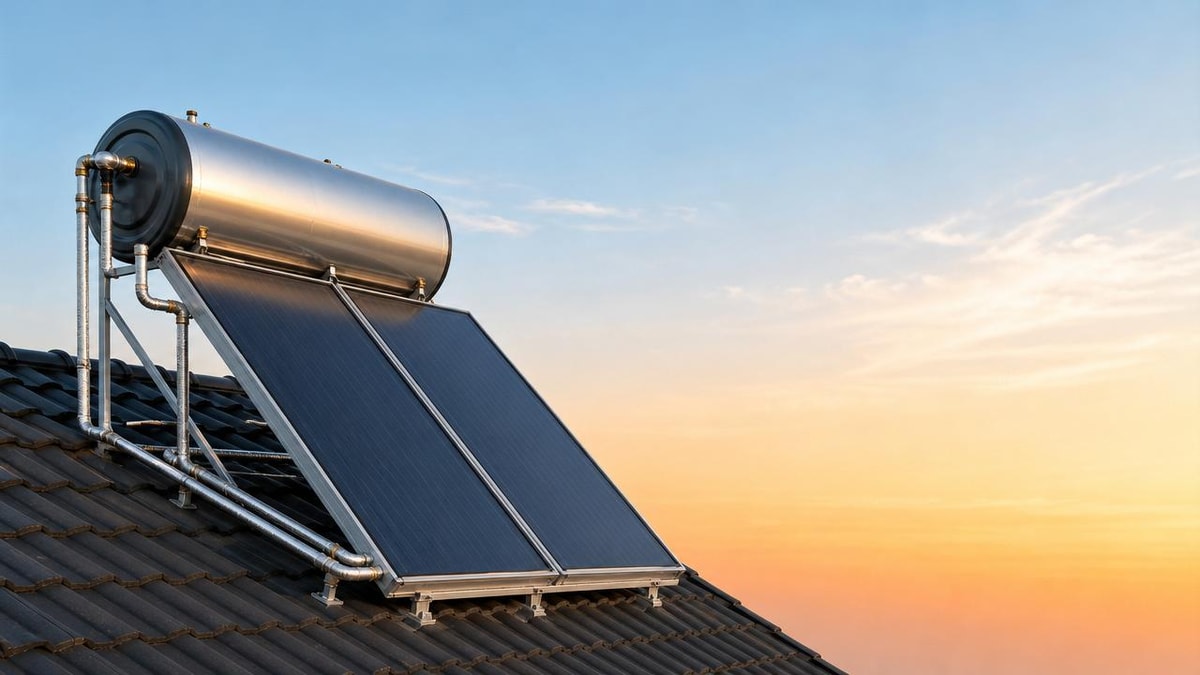
[[IMG:img_01]]The biggest pricing mistake is assuming that off grid solar systems are priced like standard grid-tied kits. They are not. A grid-tied setup can lean on utility power when solar production drops, but an off-grid design must carry its own energy security. That usually means extra components, more careful engineering, and a larger margin for seasonal variation.
Battery storage is usually the largest hidden cost
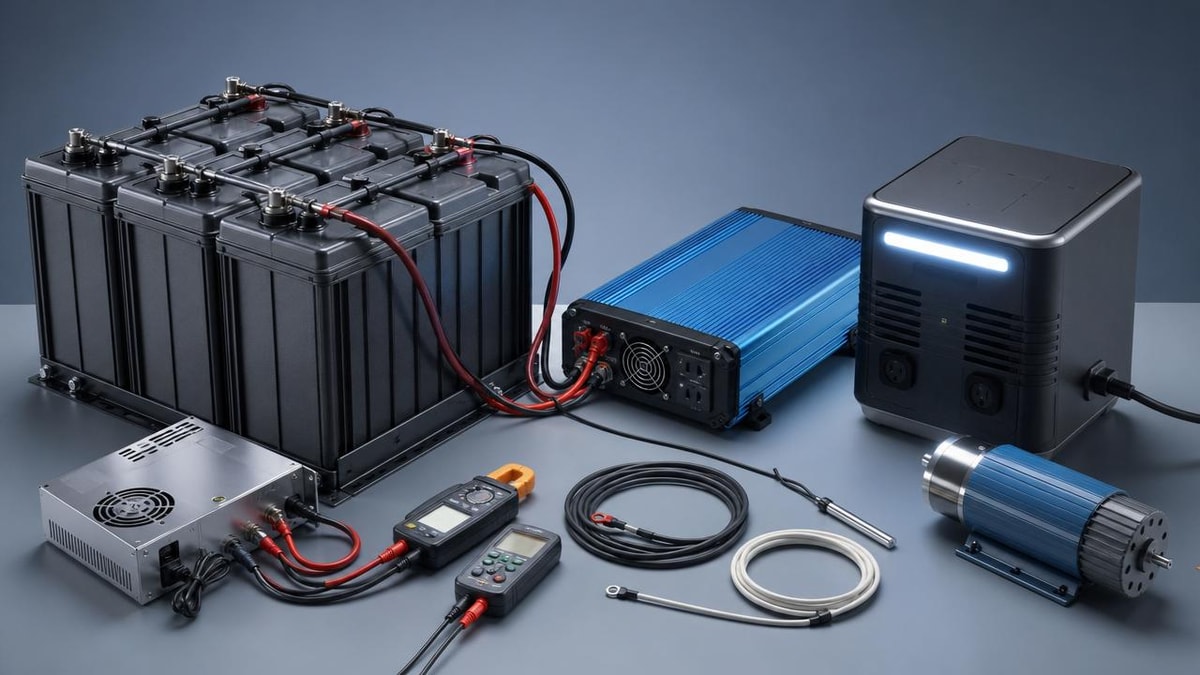
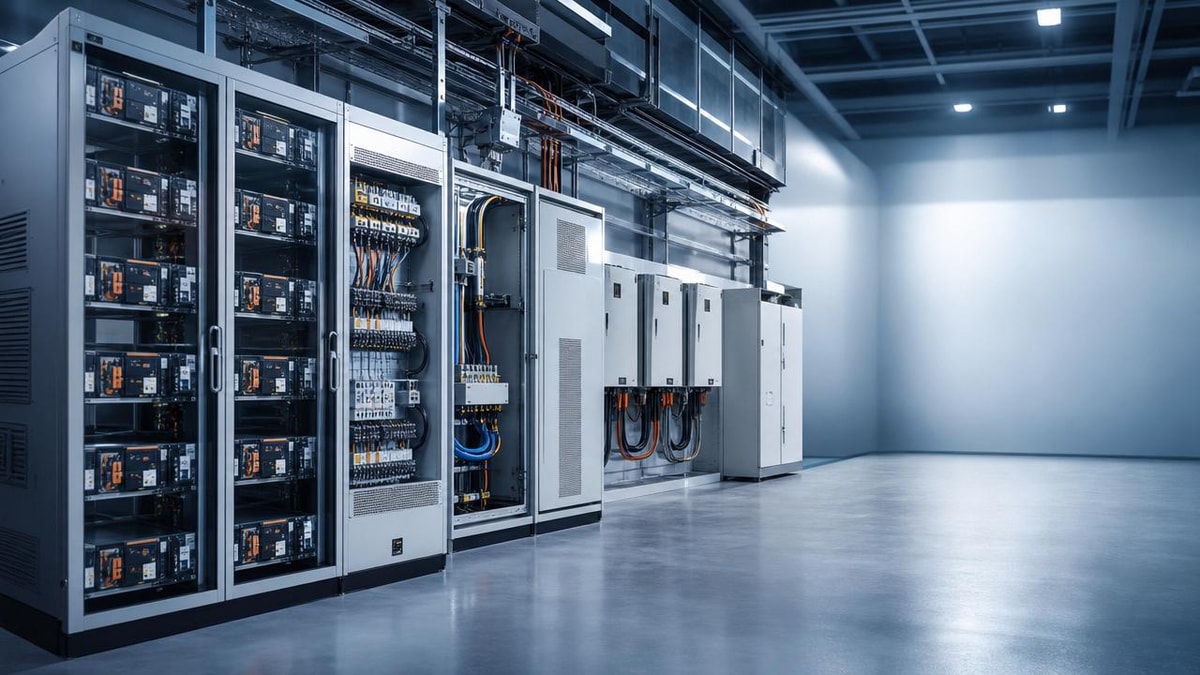
In many projects, batteries account for 25% to 45% of total system cost. A consumer may see a quote built around a small battery bank sized for light evening use, then later realize the household needs 1 to 3 days of autonomy during cloudy weather. Moving from a modest storage bank to a larger lithium setup can add thousands of dollars before installation labor is even counted.
Chemistry also matters. Lead-acid batteries may cost less upfront, but they often require more maintenance, offer lower usable depth of discharge, and may need replacement in roughly 3 to 7 years depending on operating conditions. Lithium batteries usually cost more initially, yet many buyers prefer them because they are lighter, more efficient, and often better suited for daily cycling over a longer service life.
Inverter and surge capacity are often underestimated
A low-cost quote may include an inverter sized only for average running load, not startup surge. Refrigerators, pumps, air compressors, and power tools can draw 2 to 5 times their normal wattage during startup. If the inverter cannot handle those short peaks, the system may trip or fail to support essential equipment. Upgrading from a 3kW unit to a 5kW or 8kW inverter can significantly change the budget.
Common equipment that pushes inverter upgrades
- Well pumps and pressure pumps
- Freezers and large refrigerators
- Microwaves, kettles, and resistive heating loads
- Workshop tools with motor startup current
- Air conditioning units in hot climates
Site conditions change installation cost
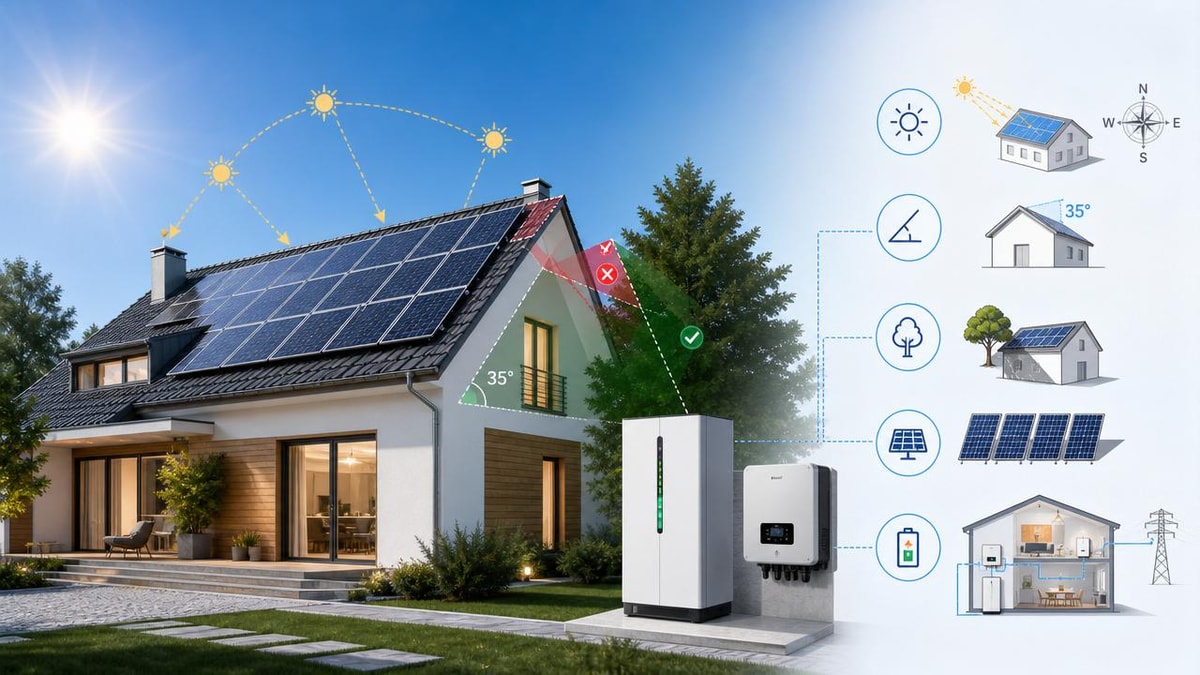
Two homes with the same energy demand can have very different installed prices. A simple ground-mount system on open land may be easier than a roof with limited orientation, shading, structural reinforcement needs, or long cable runs. Trenching, mounting frames, battery enclosure construction, and lightning protection can all raise the final number. In remote areas, freight and technician travel may add another 5% to 15% to project cost.
Permitting requirements vary as well. Some locations require inspection, electrical sign-off, or specific disconnect hardware even when the system is not tied to the utility. These are not always included in entry-level estimates.
The table below shows where the cost difference often appears between a basic quote and a more realistic off-grid design.
The key takeaway is that unexpected spending rarely comes from one dramatic surprise. More often, it comes from 4 or 5 smaller upgrades that each seem reasonable on their own. Together, they can move a project from a starter-level budget to a premium energy system.
The Hidden Cost Categories Consumers Miss During Planning
When buyers research off grid solar systems online, many focus on visible hardware and overlook ongoing or scenario-based costs. These hidden categories matter because they shape true affordability over the first 3, 5, and 10 years of ownership.
Maintenance and replacement cycles
Panels themselves are usually the least problematic part of the system, but not every component lasts equally long. Charge controllers, inverters, cooling fans, cable terminations, and battery management systems may need inspection at least once every 6 to 12 months. Dust, humidity, salt exposure, and heat can shorten service life, especially in agricultural or coastal locations.
Consumers should ask for a maintenance schedule before buying. Even a small annual service budget can be more realistic than assuming zero upkeep. If a system is remote, a single technician visit may cost more than expected due to travel, diagnostics, and replacement parts.
Backup generation is still common
Many fully independent systems still rely on a generator during low-sun seasons or peak demand periods. This is especially true where winter production drops sharply or where heavy loads such as pumps and refrigeration are critical. Fuel storage, generator maintenance, transfer switching, and noise control can all become part of the total cost picture.
A buyer who wants near-continuous availability may need to budget for a hybrid strategy rather than a pure solar-only setup. That can be the difference between a system that is technically functional and one that feels dependable in everyday use.
Load growth over time
A system designed for current loads may become undersized within 12 to 24 months. New appliances, additional occupants, electric cooking, water heating, or a home office can all increase demand. This is one reason experienced planners recommend leaving expansion room in battery storage, inverter capacity, and solar array layout.
4 questions that reveal future expansion risk
- Will you add refrigeration, pumping, or air conditioning later?
- Could occupancy increase during seasonal or holiday periods?
- Will the property support work equipment or workshop loads in the future?
- Is the system layout designed so panels or batteries can be added without major rewiring?
The following table outlines hidden ownership costs that often emerge after installation.
These cost categories do not mean off grid solar systems are poor investments. They mean buyers need to evaluate them like long-term assets, not impulse purchases. Better planning usually lowers the chance of expensive corrections later.
How to Budget for Off Grid Solar Systems More Accurately
A better budget starts with energy reality, not marketing claims. Consumers should estimate daily consumption in kilowatt-hours, identify surge loads, and separate essential circuits from optional ones. This approach gives installers and suppliers a clearer design basis and reduces the risk of underquoting.
Start with a 3-layer load plan
A practical method is to divide usage into three layers: critical loads, regular loads, and occasional heavy loads. Critical loads may include refrigeration, lighting, communications, and water pumping. Regular loads may include entertainment, small appliances, or office devices. Heavy loads may include tools, laundry, or seasonal cooling.
This structure helps buyers decide whether the system should support everything at once or whether some loads should be scheduled. In many homes, simply shifting one or two high-demand activities to sunny hours can reduce the required battery size and save substantial upfront cost.
Request quotes that include 6 core line items
To compare suppliers properly, ask for a breakdown that includes panels, batteries, inverter or inverter-charger, mounting and balance-of-system hardware, installation labor, and estimated maintenance or support. Without these six items, one proposal may appear cheaper only because key costs are missing.
Checklist for a serious quote review
- Daily energy target in kWh
- Battery usable capacity, not just nominal capacity
- Inverter continuous power and surge rating
- Expected autonomy in hours or days
- Installation scope, including trenching or roof reinforcement
- After-sales support, replacement parts, and service response time
The table below can help consumers compare bids with fewer surprises.
A transparent quote does more than protect budget. It also helps buyers choose the right trade-off between cost, resilience, and convenience. Some consumers may prefer a leaner system with load discipline, while others need a higher-capacity design that behaves more like conventional household power.
Who Should Be Most Careful Before Buying
Not all consumers face the same risk of cost overruns. Buyers in remote regions, cold climates, hot climates with cooling demand, or properties with water pumping needs should be especially careful. These use cases place more pressure on storage, surge handling, and seasonal performance.
High-risk use cases for underbudgeting
- Full-time off-grid residences with 24/7 occupancy
- Remote cabins that need freeze protection in winter
- Small farms requiring pumps, fences, or refrigeration
- Backup-sensitive homes with medical or communications equipment
- Properties planning future electrification of cooking or water systems
What a better buying decision looks like
The most reliable decision process usually follows 5 steps: measure energy use, define essential loads, compare at least 2 or 3 detailed proposals, review replacement and maintenance assumptions, and confirm whether the system has room to expand. Skipping any of these steps can make a low initial quote look better than it really is.
For consumers seeking trustworthy market guidance, a platform such as TradeNexus Pro can be useful for understanding broader green energy supply trends, component considerations, and supplier evaluation logic. Better intelligence supports better buying decisions, especially in a market where product labels alone do not reveal lifecycle cost.
Final Guidance for Smarter Off-Grid Solar Planning
Off grid solar systems can deliver real independence, but only when the design matches actual living patterns, site conditions, and resilience goals. The final price often rises because consumers first see a simplified hardware quote, then later add the storage, surge capacity, installation scope, protection hardware, and service support required for real-world performance.
The best way to avoid budget shock is to plan around total ownership cost over at least 5 to 10 years, not just the purchase price. Ask detailed questions, compare complete proposals, and leave room for future demand. If you want deeper insight into green energy procurement logic, system comparison, or supplier evaluation, explore more solutions through TradeNexus Pro and get a more informed path to your next energy decision. Contact us to learn more or request tailored guidance for your off-grid solar planning needs.
Get weekly intelligence in your inbox.
No noise. No sponsored content. Pure intelligence.
 May 07, 2026Sustainable Building Materials That Cut Carbon Without Cutting DurabilitySustainable Building Materials That Cut Carbon Without Cutting Durability
 May 07, 2026Green Hydrogen Production: What Decides Whether a Project ScalesGreen Hydrogen Production: What Decides Whether a Project Scales
 May 07, 2026Wind Turbine Blades: Why Repairs Cost More Than PlannedWind Turbine Blades: Why Repairs Cost More Than Planned
 May 07, 2026Folding Solar Chargers: What Real Output Looks Like OutdoorsFolding Solar Chargers: What Real Output Looks Like Outdoors
 May 07, 2026Vehicle to Grid Revenue Looks Attractive, but What Are the Limits?Vehicle to Grid Revenue Looks Attractive, but What Are the Limits?
 May 07, 2026Wireless EV Charging Sounds Easy, So Why Is Adoption Slow?Wireless EV Charging Sounds Easy, So Why Is Adoption Slow?
 May 07, 2026Floating Solar Farms: The Hidden Tradeoffs Behind Water SavingsFloating Solar Farms: The Hidden Tradeoffs Behind Water Savings
 May 07, 2026Geothermal Heat Pumps: Why Installation Quotes Differ So WidelyGeothermal Heat Pumps: Why Installation Quotes Differ So Widely
 May 07, 2026Sodium Ion Batteries: Where They Make Sense Before 2030Sodium Ion Batteries: Where They Make Sense Before 2030
 May 07, 2026EV Battery Recycling Is Growing, but the Supply Chain Isn’t ReadyEV Battery Recycling Is Growing, but the Supply Chain Isn’t Ready
 May 07, 2026BMS Boards Selection Problems That Show Up After InstallationBMS Boards Selection Problems That Show Up After Installation
 May 07, 2026Deep Cycle Batteries: Why Runtime Estimates Often Miss the MarkDeep Cycle Batteries: Why Runtime Estimates Often Miss the Mark
 May 07, 2026Carbon Capture Technology Projects Often Stall at This StageCarbon Capture Technology Projects Often Stall at This Stage
 May 07, 2026What Makes Offshore Wind Technology So Expensive to Deploy?What Makes Offshore Wind Technology So Expensive to Deploy?
 May 07, 2026EV Charging Cables: Small Spec Differences, Big Fit ProblemsEV Charging Cables: Small Spec Differences, Big Fit Problems
 May 07, 2026Solid State Batteries: Progress Is Real, Timelines Are Not SimpleSolid State Batteries: Progress Is Real, Timelines Are Not Simple
 May 07, 2026Microgrid Controllers: What Changes Once Systems Scale UpMicrogrid Controllers: What Changes Once Systems Scale Up
 May 07, 2026Energy Efficient HVAC Claims That Deserve a Closer LookEnergy Efficient HVAC Claims That Deserve a Closer Look
 May 07, 2026Biomass Energy Equipment: Why Maintenance Costs Vary So MuchBiomass Energy Equipment: Why Maintenance Costs Vary So Much
 May 07, 2026Smart Meters Wholesale: Which Specs Matter Most in Bulk OrdersSmart Meters Wholesale: Which Specs Matter Most in Bulk Orders
 May 07, 2026Commercial Energy Storage Sizing Mistakes That Raise CostsCommercial Energy Storage Sizing Mistakes That Raise Costs
 May 07, 2026Residential Solar Kits: What Gets Overlooked Before BuyingResidential Solar Kits: What Gets Overlooked Before Buying
 May 07, 2026V2G Technology Is Moving Fast, but What Still Holds It Back?V2G Technology Is Moving Fast, but What Still Holds It Back?
 May 07, 2026Smart Street Lighting Upgrades: Where Savings Often SlipSmart Street Lighting Upgrades: Where Savings Often Slip
 May 07, 2026Portable Solar Panels That Work Better in Real Travel UsePortable Solar Panels That Work Better in Real Travel Use
 May 07, 2026How to Compare AGM Batteries Wholesale Beyond Unit PriceHow to Compare AGM Batteries Wholesale Beyond Unit Price
 May 07, 2026Do Solar Water Heaters Still Pay Off in Mild Climates?Do Solar Water Heaters Still Pay Off in Mild Climates?