How Long Life Cycle Batteries Lower Replacement Costs
For finance approvers, battery decisions are no longer just technical purchases—they are long-term cost strategies. Choosing lithium ion batteries long life cycle solutions can reduce replacement frequency, lower maintenance expenses, and improve total asset value across operations. As industries face tighter budgets and higher performance demands, understanding how longer battery life directly supports cost control and investment efficiency becomes essential.
Why are lithium ion batteries long life cycle products receiving so much attention from finance teams?
The growing interest is simple: battery replacement is not just a materials expense. It affects labor, downtime, asset utilization, procurement frequency, spare inventory, service contracts, and even customer service performance. For finance approvers, that means the battery line item often understates the real cost burden. A battery that lasts longer may carry a higher upfront price, but if it cuts replacement cycles in half or better, it can materially improve total cost of ownership.
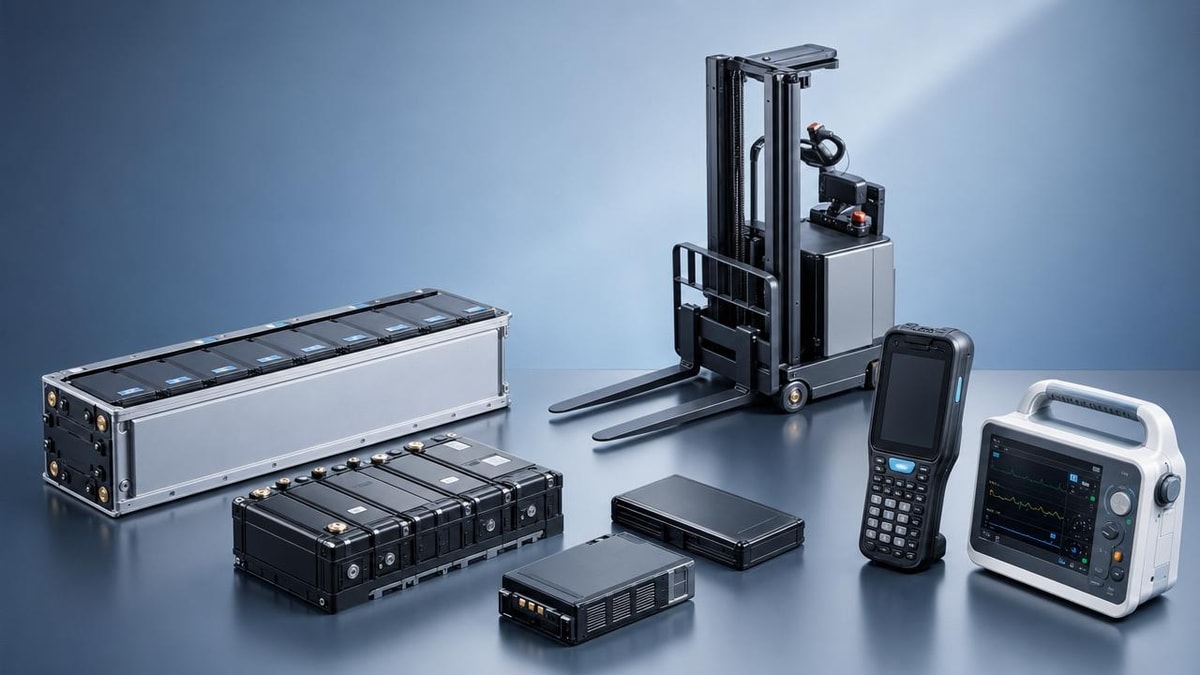
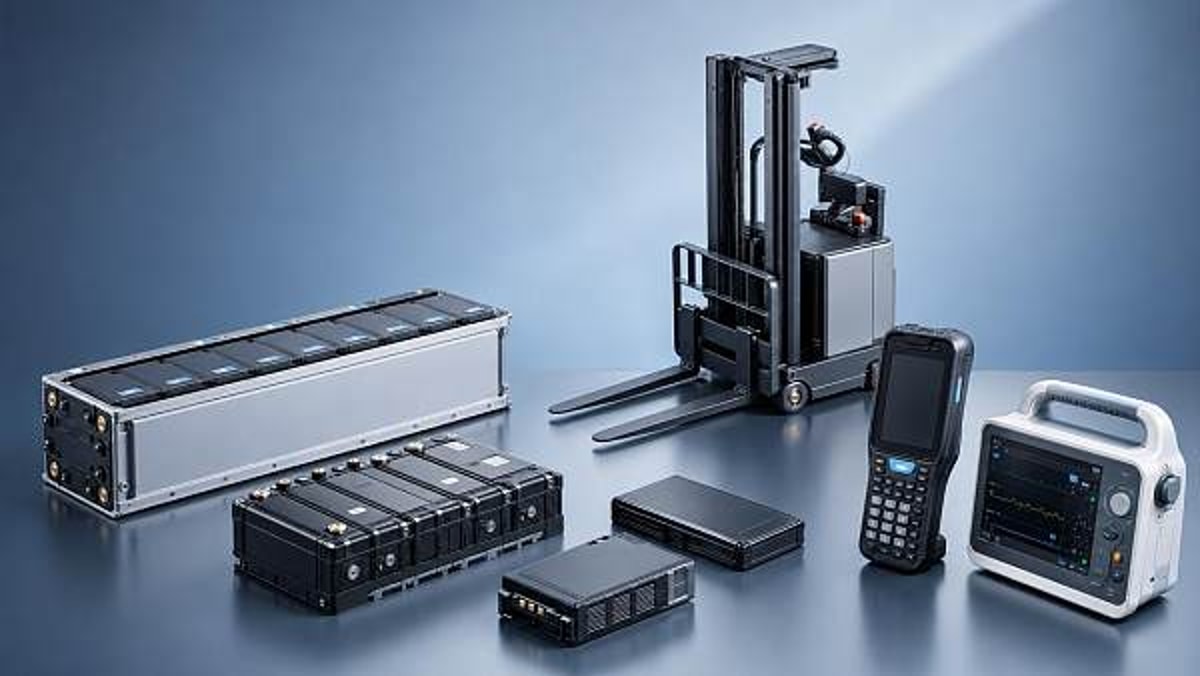
This matters across the comprehensive industrial landscape, including logistics equipment, medical devices, portable electronics, backup power systems, warehouse mobility tools, smart sensors, and field service fleets. In these use cases, lithium ion batteries long life cycle performance can support more stable budgeting because the replacement window becomes more predictable. Instead of reacting to frequent failures, companies can move toward planned capital allocation.
From a financial governance standpoint, longer cycle life also helps reduce hidden volatility. Emergency purchases, rush shipping, operational delays, and unplanned technician time rarely appear in the initial battery quotation, yet they shape the real return on the asset. That is why battery life is increasingly reviewed as a strategic cost lever rather than a technical specification alone.
What does “long life cycle” actually mean, and how should non-technical decision-makers interpret it?
In battery terms, cycle life usually refers to how many charge and discharge cycles a battery can complete before its usable capacity declines to a defined threshold, often around 80% of original capacity. For finance teams, the practical translation is this: the higher the useful cycle count, the longer the asset can deliver acceptable performance before replacement becomes necessary.
However, a headline cycle number should never be read in isolation. Two suppliers may both claim long life, but the value of those claims depends on operating temperature, charging patterns, discharge depth, and actual workload. A battery rated for many cycles in lab conditions may behave very differently in a high-use warehouse or mission-critical field environment.
For finance approvers, the right interpretation is not “How many cycles are listed?” but “How many productive cycles are realistic in our operating conditions?” That shift helps separate marketing language from investment value. It also supports better comparison between conventional batteries and lithium ion batteries long life cycle alternatives that may provide stronger financial outcomes over time.
How do longer-life batteries lower replacement costs beyond the purchase price?
Replacement cost is broader than the cost of a new battery unit. A longer-life battery can lower expenses in at least five important ways.
First, it reduces procurement frequency. Fewer purchase events mean less administrative work, fewer approval cycles, and lower sourcing overhead. In large organizations, these process costs are meaningful, especially when batteries are deployed across multiple facilities or geographies.
Second, it lowers labor and service costs. Every replacement event requires diagnosis, removal, installation, testing, and documentation. If lithium ion batteries long life cycle products reduce those touchpoints, internal maintenance teams can focus on higher-value tasks.
Third, it minimizes downtime. Battery-related interruptions can slow production, delay shipments, reduce equipment availability, or interrupt mobile workflows. The financial impact often exceeds the hardware cost itself. In environments where uptime supports revenue generation, battery longevity directly protects operating margin.
Fourth, it reduces spare stock requirements. When replacement demand is frequent or uncertain, businesses tend to hold extra inventory. That ties up working capital and introduces storage and obsolescence risk. Longer battery life allows leaner inventory planning.
Fifth, it can extend the useful life of the host asset. Equipment with reliable power systems stays productive longer and may avoid premature retirement caused by unstable battery performance. For finance teams evaluating depreciation and asset replacement schedules, this is a major advantage.
Which financial metrics should be used when evaluating lithium ion batteries long life cycle options?
A strong review should go beyond unit price and include lifecycle-focused metrics. Finance approvers can use the following framework to compare options more accurately.
This kind of comparison is especially useful when proposals look similar on paper. A supplier with a higher quote may still deliver a lower lifecycle cost if the battery lasts longer, performs more consistently, and reduces service events. TradeNexus Pro often sees this pattern in procurement reviews across advanced manufacturing and supply chain technology environments, where the best value emerges only after full cost modeling.
In which business scenarios do long-cycle batteries create the biggest cost advantage?
The financial upside is strongest where battery failure creates ripple effects. One major example is high-utilization equipment such as warehouse carts, mobile scanners, robotics, autonomous devices, and portable industrial tools. In these operations, frequent battery replacement interrupts workflows and raises labor costs quickly.
A second high-impact scenario is healthcare technology. Devices used in monitoring, transport, or portable diagnostics need dependable power. Here, the value of lithium ion batteries long life cycle solutions is not limited to replacement savings; it also includes better reliability, fewer service disruptions, and lower compliance risk linked to equipment readiness.
A third scenario is remote or distributed operations. If equipment is installed across field networks, branch locations, or customer sites, replacement logistics become expensive. Travel, coordination, and service dispatch can make battery changes far more costly than the part itself. Long-life batteries help reduce those recurring support costs.
Finally, sectors with strict uptime or service-level expectations benefit significantly. When contract performance, production output, or customer satisfaction depends on power reliability, lower replacement frequency becomes a commercial advantage as well as a cost advantage.
What common mistakes lead finance teams to underestimate replacement costs?
The most common mistake is choosing based on upfront unit cost alone. This approach can look efficient in a short approval cycle but become expensive over the operating life of the asset. A cheaper battery with shorter service life often creates repeat purchasing, more downtime, and greater administrative load.
Another mistake is accepting generic cycle claims without validating the operating context. If the application involves deep discharges, irregular charging, vibration, or heat exposure, expected life can differ sharply from brochure values. Finance approvers should request use-case-adjusted estimates, not just standard test results.
A third mistake is failing to count indirect costs. Technician hours, shipping, disposal, temporary workarounds, and customer service impacts should all be considered. In many organizations, these items are spread across departments, which makes the total battery burden harder to see. Cross-functional review with operations, maintenance, and procurement can reveal the full picture.
There is also a timing mistake: approving short-life batteries for assets expected to remain in service for many years. When the host equipment has a long useful life, frequent battery replacement can steadily erode the business case. In such situations, lithium ion batteries long life cycle investments are often the more disciplined financial choice.
How can buyers verify whether a supplier’s long-life claim is credible?
Verification starts with asking better questions. Instead of requesting a general product brochure, finance and procurement teams should ask for cycle-life testing conditions, expected capacity retention over time, warranty details, safety certifications, and failure-rate data from similar deployments.
It is also useful to request evidence tied to real applications. Case studies, fleet data, service history, and replacement benchmarks from comparable industries provide stronger decision support than laboratory claims alone. Because TradeNexus Pro focuses on verified B2B intelligence across manufacturing, energy, electronics, healthcare technology, and supply chain SaaS, one consistent lesson stands out: credibility rises when performance proof is tied to operational context.
Finance approvers should also review the supplier’s support model. If a battery is positioned as a premium lifecycle solution, the vendor should be able to explain charging recommendations, usage limits, integration considerations, and monitoring practices that help preserve long-term value. A credible partner does not just sell a battery; it helps protect the economics behind the purchase.
What should be confirmed before approving a procurement decision?
Before sign-off, finance teams should confirm five points. First, the expected battery life under actual operating conditions. Second, the projected replacement frequency compared with the current solution. Third, the total installed cost, including labor and support. Fourth, the downtime cost avoided through better reliability. Fifth, the warranty and service response terms if performance falls short.
It is wise to ask for a simple lifecycle model covering year-one cost, three-year cost, and cost per useful cycle. This turns technical claims into a format aligned with approval logic. If the application is large or business-critical, a pilot deployment can further reduce risk by validating whether lithium ion batteries long life cycle performance translates into measurable savings in the field.
When these checks are done well, the decision becomes clearer: the goal is not to buy the cheapest battery today, but to secure the most economical and dependable power profile over the asset’s full service life. If you need to confirm a specific solution, parameter set, rollout timeline, quotation structure, or supplier cooperation model, the best next step is to discuss actual duty cycles, replacement history, uptime requirements, warranty triggers, and total cost assumptions before final approval.
Get weekly intelligence in your inbox.
No noise. No sponsored content. Pure intelligence.
 May 02, 2026Commercial EV Charging Installation Costs Beyond the HardwareCommercial EV Charging Installation Costs Beyond the Hardware
 May 02, 2026Portable EV Charging Solutions: Where They Actually FitPortable EV Charging Solutions: Where They Actually Fit
 May 02, 2026Why Automotive Aluminum Extrusions Fail at Joining PointsWhy Automotive Aluminum Extrusions Fail at Joining Points
 May 02, 2026Sheet Metal Bending Services in the USA: What Drives Lead TimeSheet Metal Bending Services in the USA: What Drives Lead Time
 May 02, 2026Cost-Effective Factory Automation Often Starts Smaller Than ExpectedCost-Effective Factory Automation Often Starts Smaller Than Expected
 May 02, 2026Choosing a Solar Panels Wholesale Distributor Without Price TrapsChoosing a Solar Panels Wholesale Distributor Without Price Traps
 May 02, 2026High Efficiency PV Modules: When the Premium Makes SenseHigh Efficiency PV Modules: When the Premium Makes Sense
 May 02, 2026Why Data Centers Are Rethinking ESS Backup StrategyWhy Data Centers Are Rethinking ESS Backup Strategy
 May 02, 2026Do Agricultural PV Modules Need Different Frame Designs?Do Agricultural PV Modules Need Different Frame Designs?
 May 02, 2026How to Vet an OEM Machined Parts Supplier in GermanyHow to Vet an OEM Machined Parts Supplier in Germany
 May 02, 2026Custom Metal Fabrication for Aerospace: Cost vs CertificationCustom Metal Fabrication for Aerospace: Cost vs Certification
 May 02, 2026What Slows Rapid Prototyping for Automotive Parts MostWhat Slows Rapid Prototyping for Automotive Parts Most
 May 02, 2026Rapid Prototyping Choices That Cut Delays in Consumer ElectronicsRapid Prototyping Choices That Cut Delays in Consumer Electronics
 May 02, 2026Why Aerospace Parts Need More Than Tight Lathe TurningWhy Aerospace Parts Need More Than Tight Lathe Turning
 May 02, 2026What Fireproof Technology Really Changes in Lithium BatteriesWhat Fireproof Technology Really Changes in Lithium Batteries
 May 02, 2026Are Grid-Tied Hybrid Inverters Enough for Unstable Supply?Are Grid-Tied Hybrid Inverters Enough for Unstable Supply?
 May 02, 2026What a Solar Panels Wholesale Price List Does Not ShowWhat a Solar Panels Wholesale Price List Does Not Show
 May 02, 2026How Long Life Cycle Batteries Lower Replacement CostsHow Long Life Cycle Batteries Lower Replacement Costs
 May 02, 2026Lathe Turning Tolerances That Matter in Industrial MachineryLathe Turning Tolerances That Matter in Industrial Machinery
 May 02, 2026ESS for Commercial Buildings: Sizing Mistakes to AvoidESS for Commercial Buildings: Sizing Mistakes to Avoid
 May 02, 2026Warehouse Robotics Bottlenecks That Slow Automation ROIWarehouse Robotics Bottlenecks That Slow Automation ROI
 May 02, 2026Where Smart Manufacturing Pays Off First in Auto PlantsWhere Smart Manufacturing Pays Off First in Auto Plants
 May 02, 2026Marine Aluminum Extrusions: What Corrosion Ratings MissMarine Aluminum Extrusions: What Corrosion Ratings Miss
 May 02, 2026Plastic Injection Molding Machine Specs That Affect OutputPlastic Injection Molding Machine Specs That Affect Output
 May 02, 2026What Limits 5 Axis Milling Accuracy for Medical Devices?What Limits 5 Axis Milling Accuracy for Medical Devices?
 May 02, 2026How to Compare a Die Casting Parts Manufacturer in ChinaHow to Compare a Die Casting Parts Manufacturer in China
 May 02, 2026Why Oil and Gas Projects Still Rely on Steel ForgingWhy Oil and Gas Projects Still Rely on Steel Forging