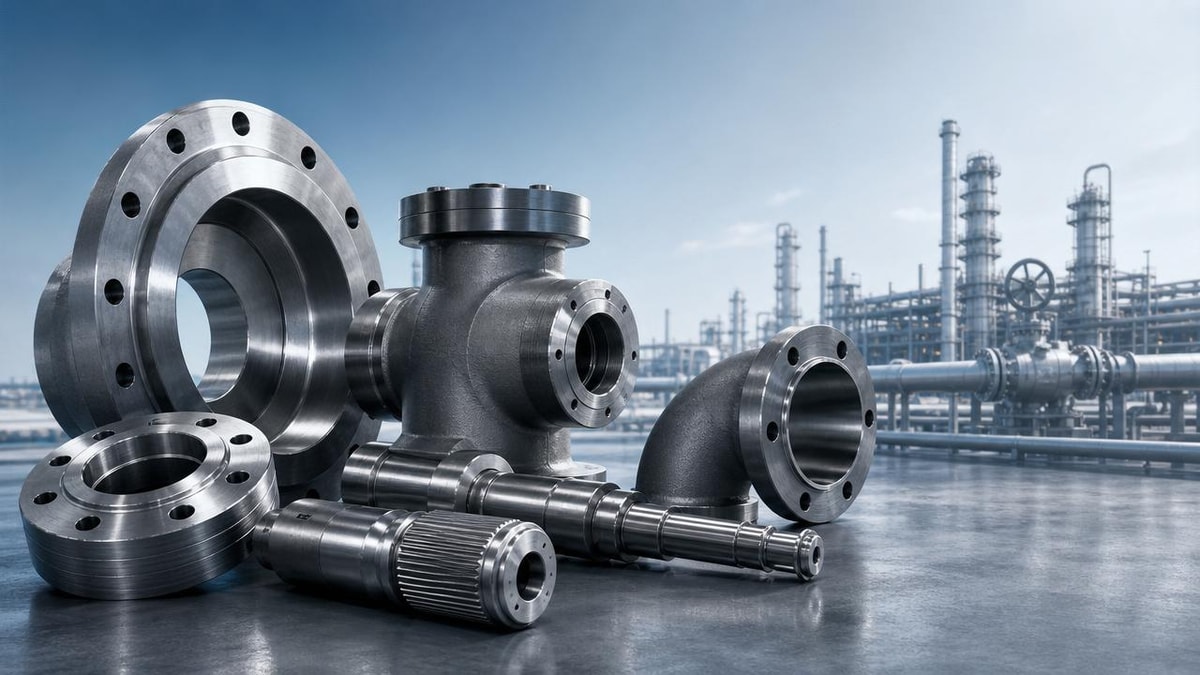
Lathe Turning Tolerances That Matter in Industrial Machinery
In industrial production, even minor dimensional deviations can trigger quality failures, safety risks, and costly downtime. That is why lathe turning for industrial machinery demands close attention to tolerances that directly affect fit, function, and long-term reliability. This article highlights the tolerance factors quality control and safety managers should prioritize to improve consistency, reduce defects, and support dependable machine performance.
What quality and safety teams really need to control in lathe turning
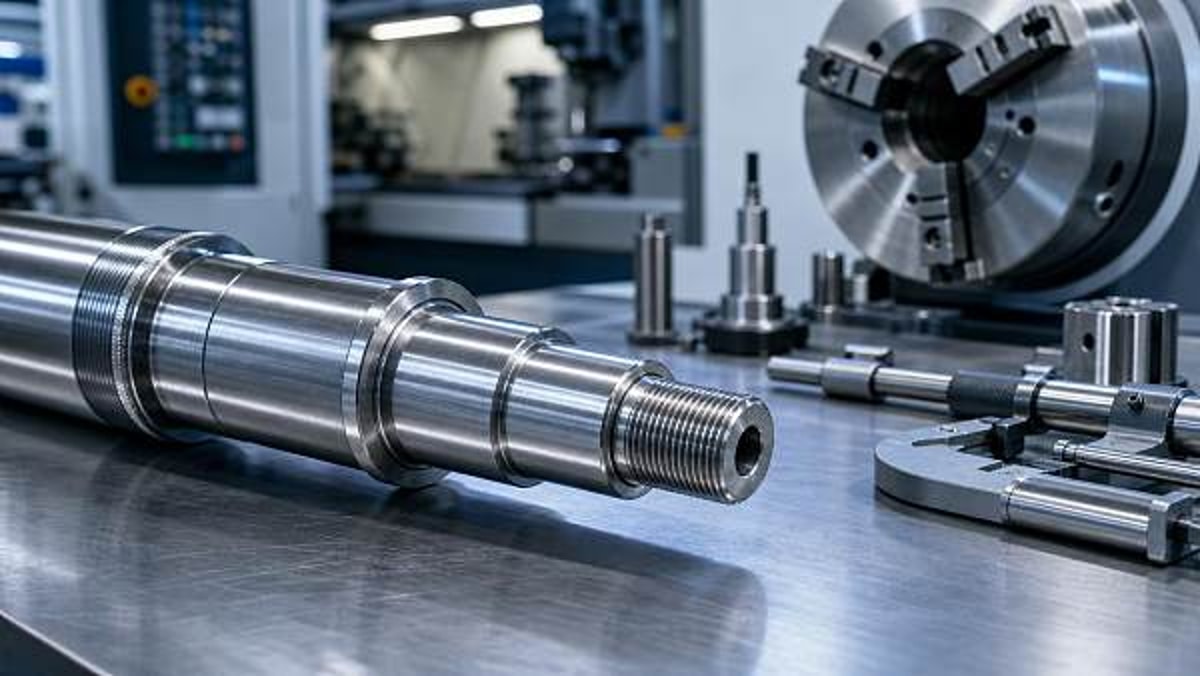
When readers search for information on lathe turning tolerances that matter in industrial machinery, their core intent is usually practical rather than academic. They want to know which tolerances have the biggest effect on machine performance, inspection outcomes, assembly reliability, and operational safety. For quality control personnel and safety managers, the main question is not simply how tight a tolerance can be held, but which dimensions must be controlled closely and which ones can be specified more economically.
That distinction matters because over-tolerancing raises machining cost, inspection time, and supplier rejection rates, while under-tolerancing can create shaft misalignment, vibration, bearing failure, seal leakage, and premature wear. In industrial machinery, the tolerances that matter most are the ones linked directly to fit, concentricity, load transfer, rotating balance, and repeatable assembly. Those are the dimensions that drive both product conformity and field risk.
For most industrial applications, quality and safety teams should focus first on functional tolerances rather than generic drawing neatness. A turned component may look acceptable visually, yet still fail because the shaft diameter is slightly oversized for a bearing seat, the runout is too high for a coupling, or the surface finish is too rough for a sealing interface. The true priority is understanding how tolerance decisions affect machine behavior in service.
Why tolerance decisions in industrial machinery are rarely just about dimensions
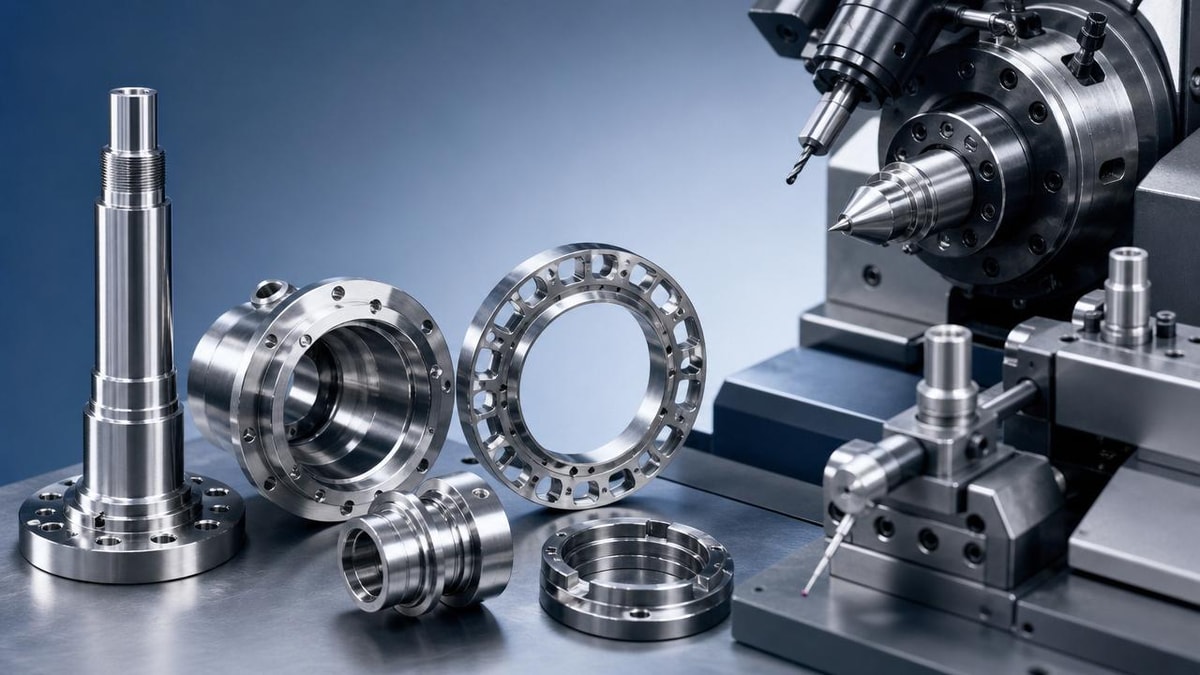
In industrial machinery, turned parts often sit at the center of moving assemblies. Shafts, sleeves, spacers, bushings, threaded ends, hubs, rollers, and precision collars must interact with bearings, seals, keys, housings, and mating rotating parts. Because of that, a tolerance callout is not an isolated number. It defines how one part behaves inside a larger mechanical system.
For example, a shaft diameter tolerance that appears acceptable on paper may still create assembly issues if the mating bearing lot runs near its lower limit. Likewise, a bore or journal with proper size but poor cylindricity may pass basic dimensional inspection and still generate uneven contact stress. For safety-focused teams, this is where many hidden risks emerge: parts that technically meet one requirement but fail under load, speed, temperature, or vibration.
This is why lathe turning for industrial machinery should be reviewed through a functional stack-up lens. Instead of asking only whether a single diameter is within tolerance, teams should ask whether the complete turned feature set will support alignment, torque transmission, lubrication retention, and stable operation over time. That systems view leads to better quality decisions and fewer downstream surprises.
Which lathe turning tolerances matter most for fit, function, and safety
The first critical category is diameter tolerance. External and internal diameters determine whether a component will create the intended clearance fit, transition fit, or interference fit. In industrial machinery, poor diameter control can cause loose rotating elements, excessive press force during assembly, slippage under torque, or bearing damage. Quality teams should confirm that diameter tolerances are tied to the actual fit class required by the application rather than copied from legacy drawings.
The second priority is concentricity or, more commonly in practical inspection, total indicated runout. For shafts that support bearings, gears, pulleys, or couplings, runout often has more operational impact than nominal size alone. Excessive runout can lead to vibration, uneven wear, noise, and shorter service life. Safety managers should pay particular attention to rotating components in high-speed or high-load equipment, where small deviations can amplify into serious maintenance or guarding concerns.
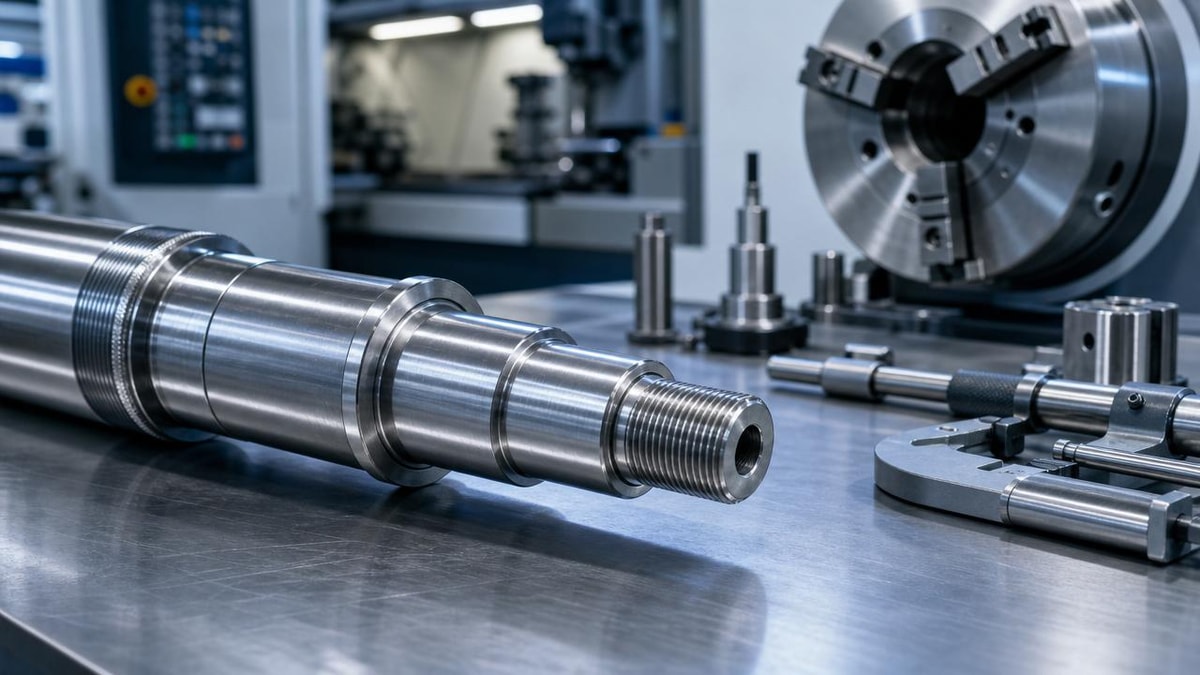
The third category is straightness and cylindricity. Long turned shafts may be dimensionally correct at several measured points yet still bow slightly or show lobing. That can affect load distribution, seal contact, and dynamic stability. In mission-critical machinery, especially equipment with continuous duty cycles, these geometric characteristics often deserve tighter review than they receive in basic incoming inspection programs.
The fourth is shoulder location and axial length tolerance. In assemblies where bearings, spacers, and locking elements depend on exact axial positioning, turned shoulders control preload, gear alignment, and seal compression. A seemingly minor length deviation can shift the entire stack, changing clearances or increasing stress. This is especially important in pumps, motors, conveyors, compressors, and packaged automation systems.
The fifth is thread tolerance where threaded shafts, locknuts, or retaining features are involved. Thread quality affects retention force, assembly reliability, and maintenance safety. Poorly controlled threads may result in cross-threading, loosening under vibration, or inaccurate axial clamping. In safety-sensitive machinery, this can become more than a maintenance inconvenience.
The sixth is surface finish. Although often treated separately from dimensional tolerance, it directly affects how turned components perform. Bearing seats, seal journals, and sliding contact areas depend on the right roughness profile. A surface that is too rough may accelerate wear or leakage; one that is too smooth may impair lubrication retention in some applications. For QC teams, surface finish should be reviewed as a functional requirement, not just a cosmetic specification.
How to decide where tight tolerances are truly justified
One of the most valuable judgments quality and safety teams can make is identifying where tight tolerances add real value and where they simply add cost. Not every turned feature on an industrial machinery part needs precision-level control. Tight tolerance should be reserved for surfaces and dimensions that influence assembly fit, rotational accuracy, pressure retention, sealing, fatigue life, or operator safety.
A useful starting point is to classify features into functional tiers. Tier one features directly affect machine performance or safety, such as bearing journals, seal diameters, coupling interfaces, and threaded retention points. Tier two features support assembly but have moderate risk if variation occurs, such as spacer lengths or non-critical locating diameters. Tier three features are low-risk, including cosmetic outer diameters or non-mating relief areas. This approach helps procurement and engineering teams avoid over-specifying every turned surface.
Another effective method is reviewing field failure history. If a recurring issue involves premature bearing wear, shaft vibration, leakage, or difficult assembly, tolerance analysis should focus there first. The best tolerance strategy often comes from connecting quality data, maintenance records, and supplier process capability rather than assuming every problem requires a universal tightening of specifications.
Capability matters as well. A tolerance is only useful if the selected machining process can hold it consistently under production conditions. If suppliers can maintain a diameter at a Cp and Cpk level aligned with your risk tolerance, the specification is meaningful. If not, the drawing may create chronic NCRs without improving actual machine reliability. That is why tolerance setting should combine functional need with process realism.
Common tolerance mistakes that create hidden risk in industrial machinery
A frequent mistake is focusing only on plus-minus size tolerance while ignoring geometric controls. A shaft may meet diameter tolerance but still fail because of runout, taper, or poor shoulder squareness. In rotating assemblies, these geometric issues often cause more performance trouble than a small size offset. Quality plans that inspect only caliper or micrometer readings may miss the real defect.
Another common problem is using unnecessarily tight tolerances on non-critical features. This drives up machining time, scrap, and supplier cost, while drawing attention away from the dimensions that truly matter. In B2B sourcing environments, such drawings often reduce the number of capable suppliers and increase lead-time volatility, especially when industrial demand is high.
A third issue is failing to account for the operating environment. Thermal expansion, lubrication behavior, heavy loads, contamination, and intermittent shock can all change how a tolerance performs in service. A fit that works in a light-duty assembly may fail in hot, abrasive, or high-vibration industrial conditions. For safety managers, reviewing tolerances against actual use conditions is essential.
There is also risk in treating inspection results as binary pass-fail outcomes without trend analysis. If turned parts repeatedly arrive close to an upper or lower limit, assembly consistency may still suffer even though inspection formally passes them. Monitoring drift, not just conformance, gives QC teams an earlier warning of process instability.
Inspection priorities for QC teams reviewing turned parts
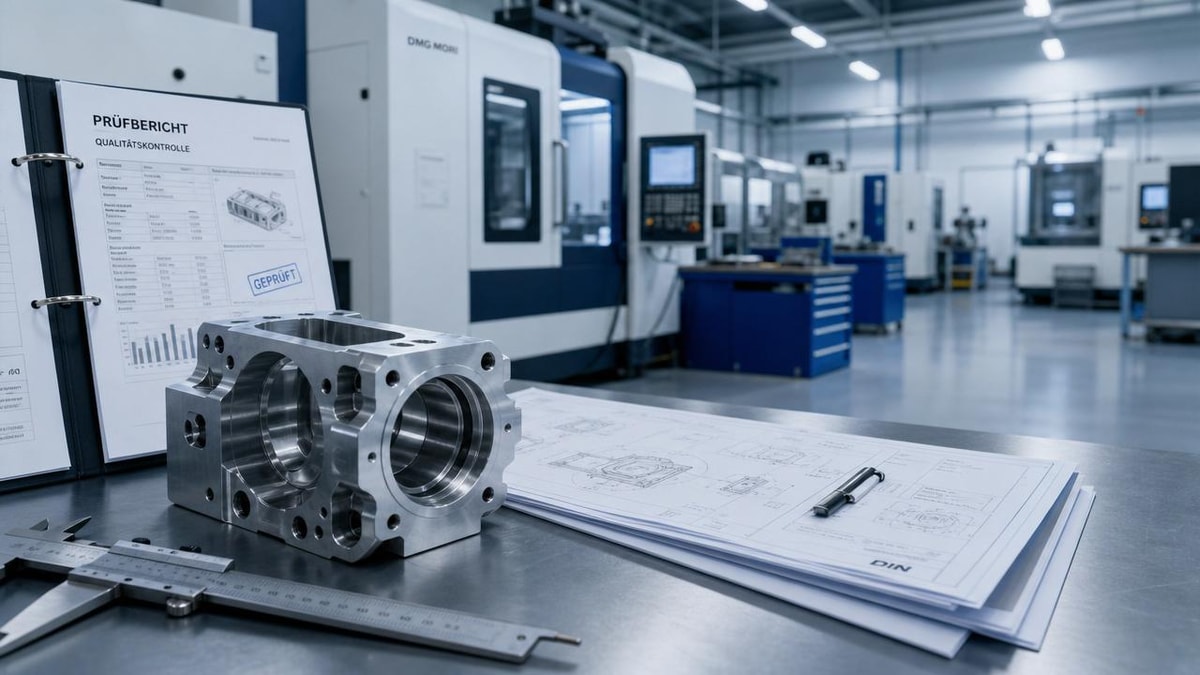
For quality control personnel, the best inspection strategy starts with a feature-critical plan rather than a full-everything approach. Measure the dimensions and geometric attributes that most directly affect fit and failure risk. On many industrial machinery components, that means journal diameters, runout, concentricity-related indicators, shoulder spacing, thread integrity, and surface finish in functional zones.
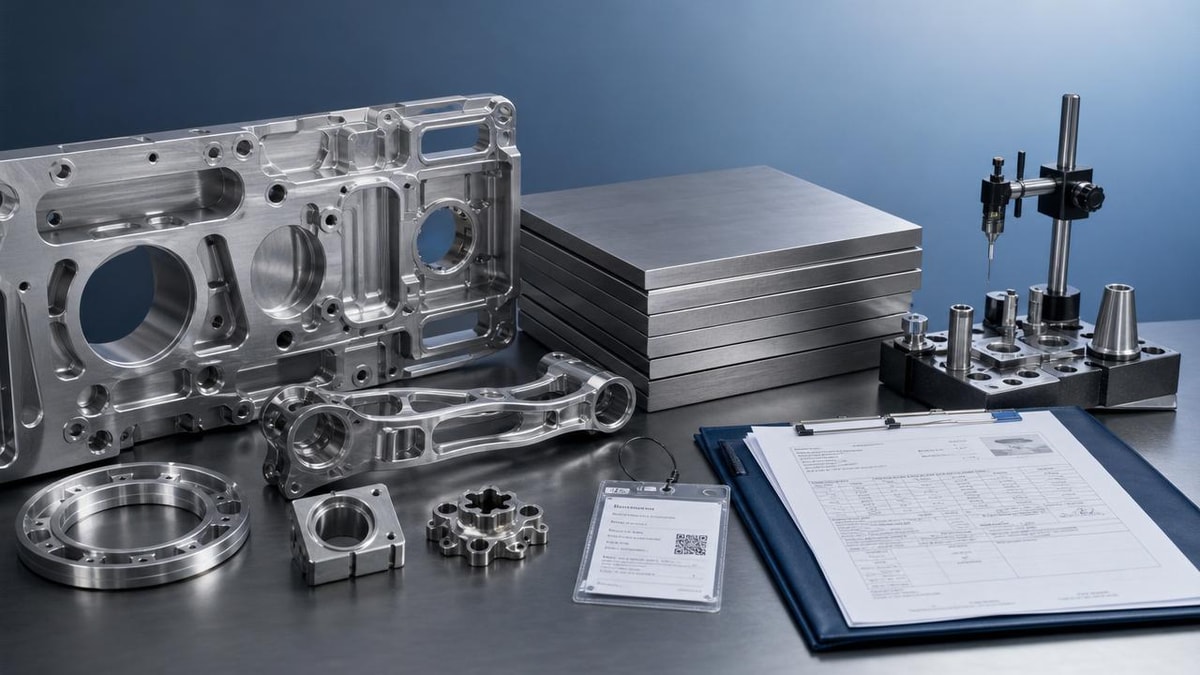
Inspection methods should match the risk level. Micrometers and bore gauges are appropriate for many size checks, but runout may require dial indicators on centers or V-block setups, while more advanced parts may justify CMM verification or roundness testing. Surface finish should be measured with suitable instruments where sealing or bearing performance is involved. Gauge selection should be documented so results are comparable across lots and suppliers.
Sampling strategy also matters. For high-risk features, first-article inspection alone is not enough. In-process verification and lot-based monitoring reduce the chance of drift going unnoticed. For safety-critical applications or long-running contracts, statistical process control can provide visibility into whether a supplier’s turning process is stable or merely producing occasional compliant parts.
It is also wise to tie inspection reporting to function. Instead of sending generic dimensional tables, suppliers should identify which dimensions are critical to quality and which are critical to safety or assembly. This improves communication between sourcing teams, machinists, quality engineers, and maintenance stakeholders.
What safety managers should watch beyond dimensional compliance
Safety managers often inherit risk after a part has already passed dimensional inspection. Their concern is whether the machine will operate predictably over time. In that context, the key question is whether tolerance variation could contribute to rotating imbalance, loosening, overheating, leakage, guarding interference, or unexpected maintenance exposure.
Turned components that support rotating masses deserve extra scrutiny because even modest runout or misfit can increase vibration and bearing stress. Over time, that may lead to shaft failure, cracked housings, or unsafe operating conditions. Likewise, poor thread tolerance on retention features can undermine lock reliability, especially in vibration-prone machinery.
Another important area is maintainability. If tolerances are too inconsistent, maintenance teams may need excessive force for disassembly or improvised fitting during repair. Both situations raise safety risk during service operations. Good tolerance control supports not only machine uptime but safer maintenance practices as well.
How better tolerance management improves procurement and supplier performance
For organizations sourcing machined parts globally, tolerance discipline improves more than product quality. It strengthens supplier qualification, reduces disputes, and shortens troubleshooting cycles. When drawings clearly identify which turned features are function-critical, suppliers can align machining strategy, tooling, and inspection resources more effectively.
This is particularly relevant for companies using lathe turning for industrial machinery across multiple plants or regions. Standardized tolerance logic helps create repeatable sourcing expectations and cleaner quality benchmarks. It also prevents the common problem of different buyers or plants informally interpreting the same drawing in different ways.
Procurement leaders should encourage cross-functional reviews between engineering, quality, safety, and suppliers before locking final specifications. These discussions often reveal that one feature needs tighter control while another can be relaxed without risk. The result is a more manufacturable part, lower total cost, and a more resilient supply base.
Conclusion: the tolerances that matter are the ones tied to machine behavior
In industrial machinery, the most important turning tolerances are not necessarily the tightest ones. They are the ones that determine whether a part fits correctly, rotates true, seals effectively, carries load safely, and performs reliably throughout its service life. For quality control and safety professionals, the priority should be functional control of diameter, runout, straightness, axial location, thread quality, and surface finish where those features affect real machine outcomes.
A smarter approach to lathe turning for industrial machinery combines engineering intent, supplier capability, inspection discipline, and field-risk awareness. By focusing on the tolerances that truly influence fit, function, and safety, organizations can reduce defects, improve uptime, control cost, and build more dependable machinery systems.
Get weekly intelligence in your inbox.
No noise. No sponsored content. Pure intelligence.
 May 02, 2026Commercial EV Charging Installation Costs Beyond the HardwareCommercial EV Charging Installation Costs Beyond the Hardware
 May 02, 2026Portable EV Charging Solutions: Where They Actually FitPortable EV Charging Solutions: Where They Actually Fit
 May 02, 2026Why Automotive Aluminum Extrusions Fail at Joining PointsWhy Automotive Aluminum Extrusions Fail at Joining Points
 May 02, 2026Sheet Metal Bending Services in the USA: What Drives Lead TimeSheet Metal Bending Services in the USA: What Drives Lead Time
 May 02, 2026Cost-Effective Factory Automation Often Starts Smaller Than ExpectedCost-Effective Factory Automation Often Starts Smaller Than Expected
 May 02, 2026Choosing a Solar Panels Wholesale Distributor Without Price TrapsChoosing a Solar Panels Wholesale Distributor Without Price Traps
 May 02, 2026High Efficiency PV Modules: When the Premium Makes SenseHigh Efficiency PV Modules: When the Premium Makes Sense
 May 02, 2026Why Data Centers Are Rethinking ESS Backup StrategyWhy Data Centers Are Rethinking ESS Backup Strategy
 May 02, 2026Do Agricultural PV Modules Need Different Frame Designs?Do Agricultural PV Modules Need Different Frame Designs?
 May 02, 2026How to Vet an OEM Machined Parts Supplier in GermanyHow to Vet an OEM Machined Parts Supplier in Germany
 May 02, 2026Custom Metal Fabrication for Aerospace: Cost vs CertificationCustom Metal Fabrication for Aerospace: Cost vs Certification
 May 02, 2026What Slows Rapid Prototyping for Automotive Parts MostWhat Slows Rapid Prototyping for Automotive Parts Most
 May 02, 2026Rapid Prototyping Choices That Cut Delays in Consumer ElectronicsRapid Prototyping Choices That Cut Delays in Consumer Electronics
 May 02, 2026Why Aerospace Parts Need More Than Tight Lathe TurningWhy Aerospace Parts Need More Than Tight Lathe Turning
 May 02, 2026What Fireproof Technology Really Changes in Lithium BatteriesWhat Fireproof Technology Really Changes in Lithium Batteries
 May 02, 2026Are Grid-Tied Hybrid Inverters Enough for Unstable Supply?Are Grid-Tied Hybrid Inverters Enough for Unstable Supply?
 May 02, 2026What a Solar Panels Wholesale Price List Does Not ShowWhat a Solar Panels Wholesale Price List Does Not Show
 May 02, 2026How Long Life Cycle Batteries Lower Replacement CostsHow Long Life Cycle Batteries Lower Replacement Costs
 May 02, 2026Lathe Turning Tolerances That Matter in Industrial MachineryLathe Turning Tolerances That Matter in Industrial Machinery
 May 02, 2026ESS for Commercial Buildings: Sizing Mistakes to AvoidESS for Commercial Buildings: Sizing Mistakes to Avoid
 May 02, 2026Warehouse Robotics Bottlenecks That Slow Automation ROIWarehouse Robotics Bottlenecks That Slow Automation ROI
 May 02, 2026Where Smart Manufacturing Pays Off First in Auto PlantsWhere Smart Manufacturing Pays Off First in Auto Plants
 May 02, 2026Marine Aluminum Extrusions: What Corrosion Ratings MissMarine Aluminum Extrusions: What Corrosion Ratings Miss
 May 02, 2026Plastic Injection Molding Machine Specs That Affect OutputPlastic Injection Molding Machine Specs That Affect Output
 May 02, 2026What Limits 5 Axis Milling Accuracy for Medical Devices?What Limits 5 Axis Milling Accuracy for Medical Devices?
 May 02, 2026How to Compare a Die Casting Parts Manufacturer in ChinaHow to Compare a Die Casting Parts Manufacturer in China
 May 02, 2026Why Oil and Gas Projects Still Rely on Steel ForgingWhy Oil and Gas Projects Still Rely on Steel Forging