How to Vet an OEM Machined Parts Supplier in Germany
Choosing the right OEM machined parts supplier Germany can directly affect product quality, delivery reliability, and total procurement cost. For buyers navigating Germany’s precision manufacturing landscape, careful supplier vetting is essential. This guide outlines the key criteria procurement teams should use to assess technical capability, certifications, communication standards, and long-term partnership value before making a sourcing decision.
Why scenario-based supplier vetting matters in Germany
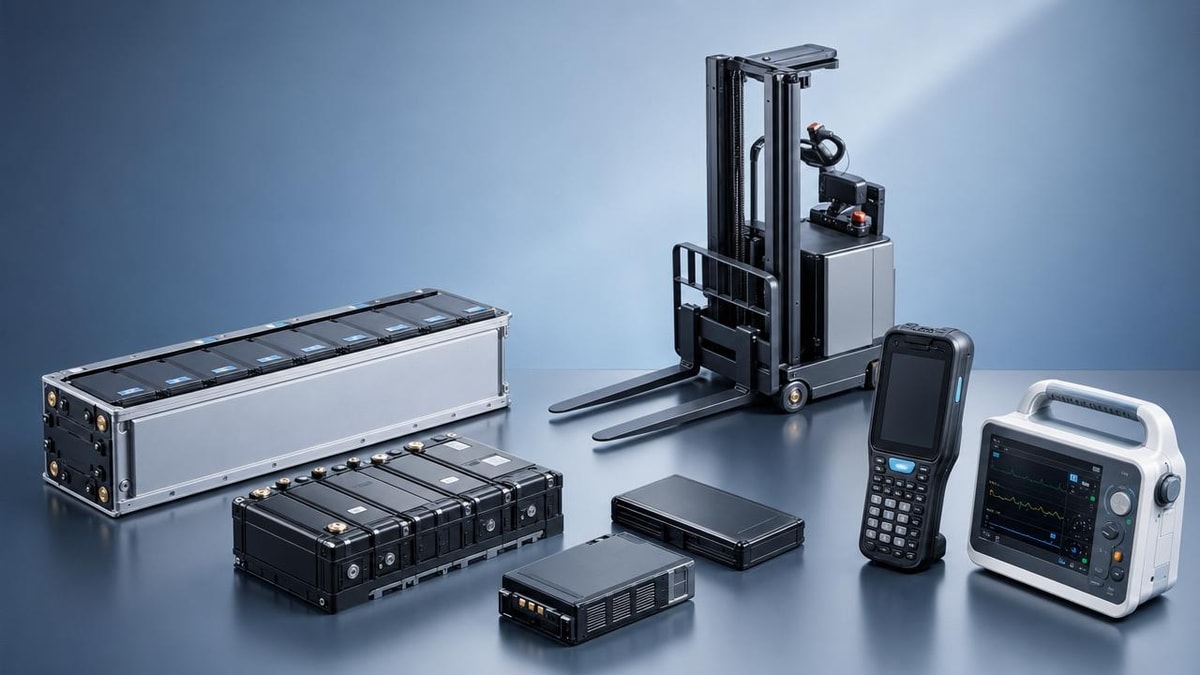
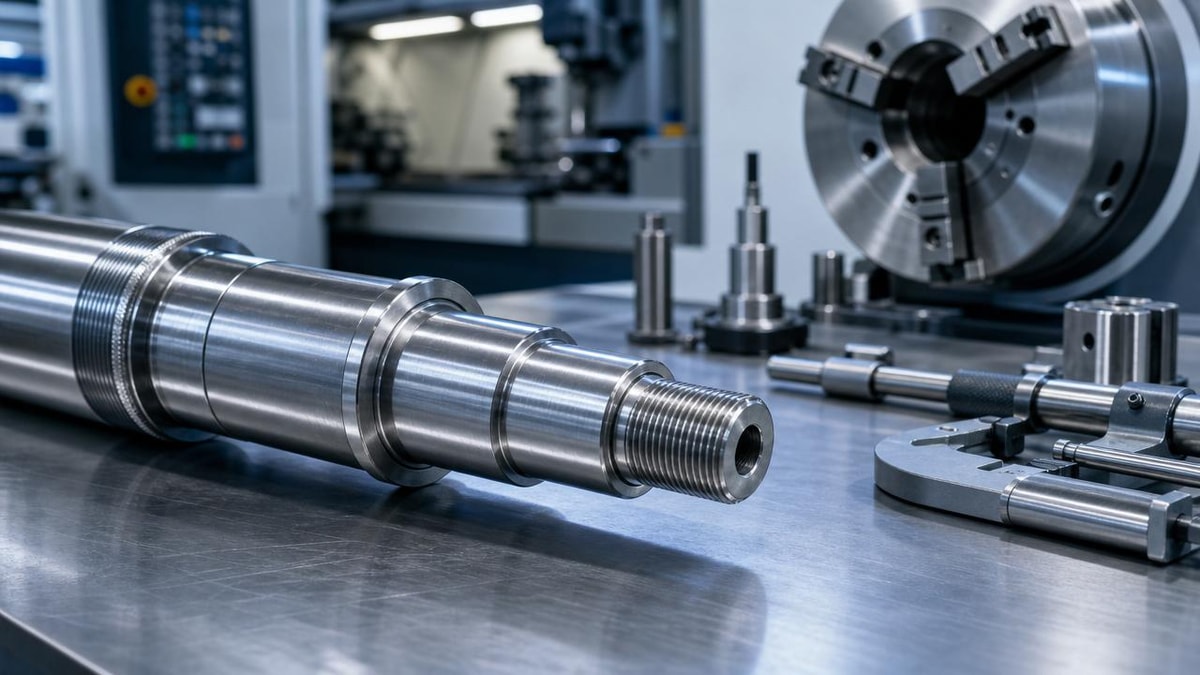
Not every buyer needs the same kind of OEM machined parts supplier Germany. A sourcing manager buying prototype aluminum housings for a fast-moving electronics project will evaluate suppliers differently from a procurement team ordering hardened steel shafts for industrial equipment or biocompatible precision parts for healthcare devices. Germany is known for engineering rigor, process discipline, and advanced machining expertise, but that does not mean every supplier is equally suitable for every application.
For procurement professionals, the real task is not simply to find a German machine shop. It is to match supplier capability with business context: drawing complexity, tolerances, material traceability, annual volume, change-control requirements, and delivery risk. A strong supplier for low-volume, high-mix projects may struggle with cost efficiency at scale. A shop that excels in aerospace-grade inspection may be too rigid or expensive for general industrial components. Effective vetting therefore starts with one question: what sourcing scenario are you solving for?
Common sourcing scenarios for OEM machined parts in Germany
Before evaluating suppliers, define the application environment and commercial objective. The table below helps procurement teams compare typical scenarios and what matters most when selecting an OEM machined parts supplier Germany.
This scenario lens helps narrow the field quickly. It also prevents a common procurement error: selecting a supplier based on general reputation rather than project-specific fit.
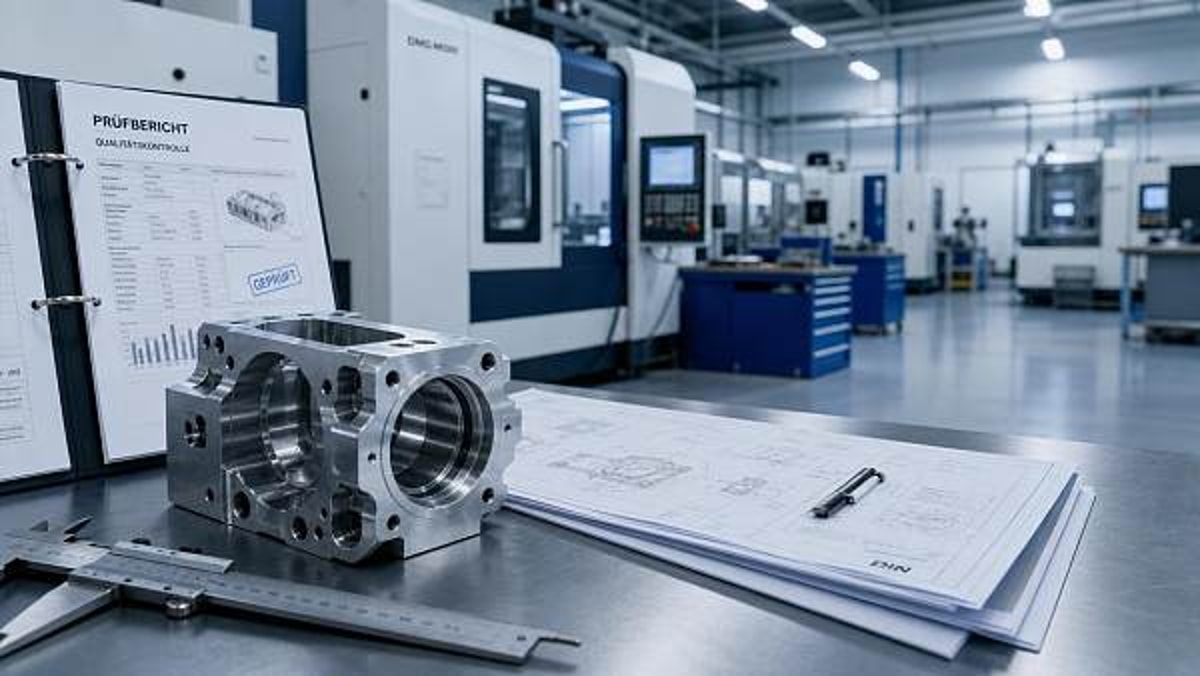
Scenario 1: Prototype projects need engineering responsiveness more than scale
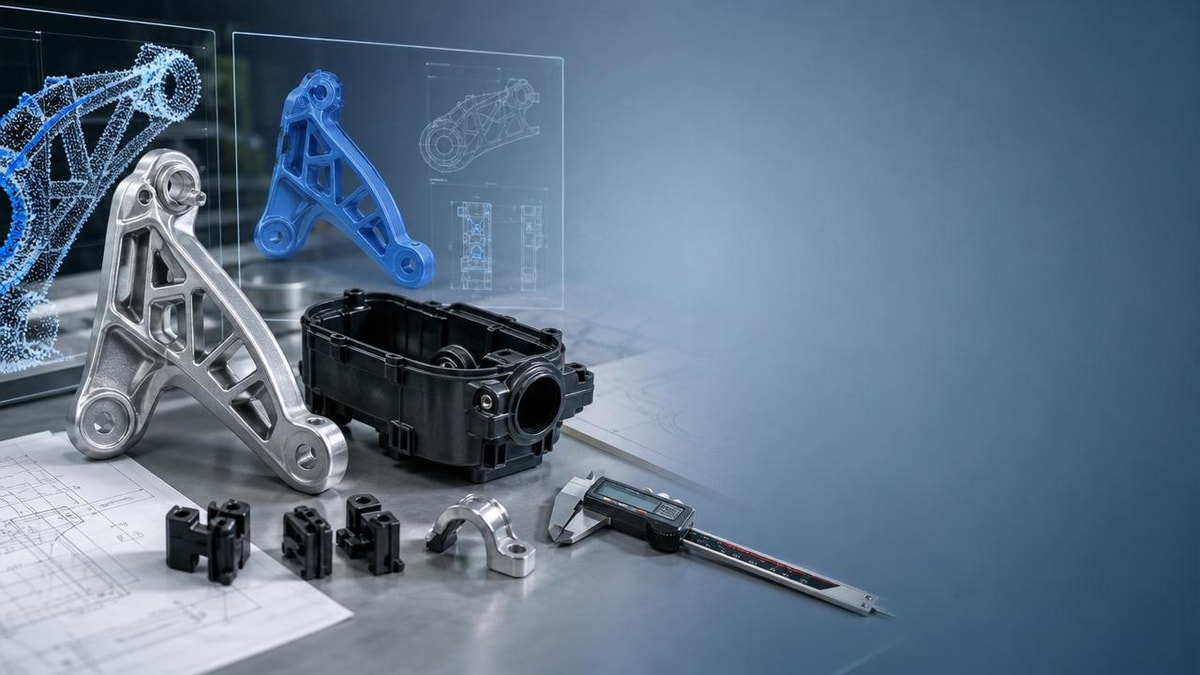
If your team is validating a new product, the best OEM machined parts supplier Germany is usually not the largest shop. What matters more is how fast the supplier can interpret drawings, flag machinability issues, suggest design-for-manufacturing improvements, and handle multiple revisions without confusion. In this scenario, communication quality is a technical capability, not just a service feature.
Ask for examples of prototype-to-production transitions. Review how the supplier handles first article inspection, tolerance stack-up concerns, and urgent engineering changes. A supplier that asks detailed questions about function, mating parts, surface requirements, and critical dimensions is often more reliable than one that simply returns the lowest quote.
For prototype sourcing, useful indicators include short quote turnaround, CAM programming agility, willingness to machine small batches, and practical feedback on material alternatives. Procurement teams should also confirm whether the same partner can support pilot runs later, or whether a second supplier will be needed.
Scenario 2: Serial production demands repeatability, not just sample quality
Many buyers are impressed when a supplier delivers perfect samples, but serial production is where supplier qualification becomes real. For recurring orders, your OEM machined parts supplier Germany must demonstrate stable process control, machine capacity planning, preventive maintenance discipline, and operator consistency across shifts.
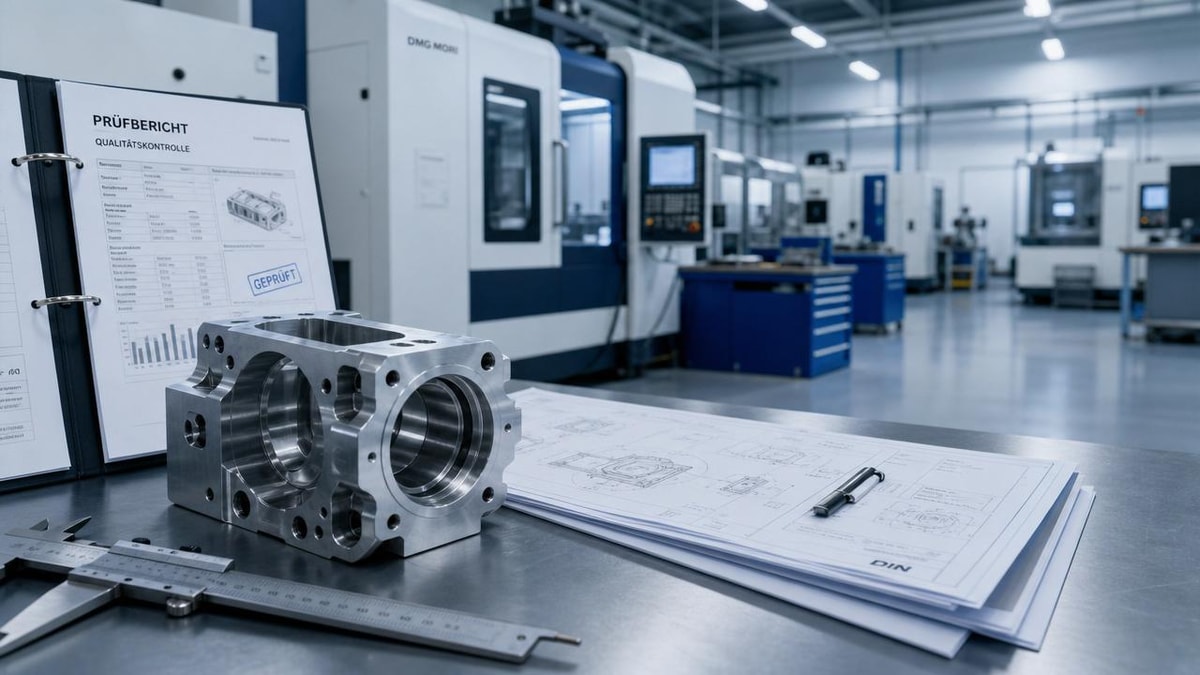
In this scenario, procurement should go beyond unit price and inspect production systems. Request information on machine fleet age, multi-axis capability, tool management, in-process inspection, gauge calibration, and statistical process control. If a part has tight tolerances or critical geometric dimensioning and tolerancing requirements, ask whether process capability studies are available.
A strong serial-production supplier will also discuss contingency planning. Can they absorb volume spikes? What happens if a key machine goes down? Do they dual-source raw material? These details directly affect on-time delivery and the risk of line stoppages for the buyer.
Scenario 3: Regulated or high-traceability sectors require documentation discipline
For healthcare technology, critical electronics, green energy systems, or safety-related industrial assemblies, supplier selection must prioritize traceability and quality system maturity. In these applications, an OEM machined parts supplier Germany should be evaluated not only for machining skill but also for documentation control, batch traceability, and audit readiness.
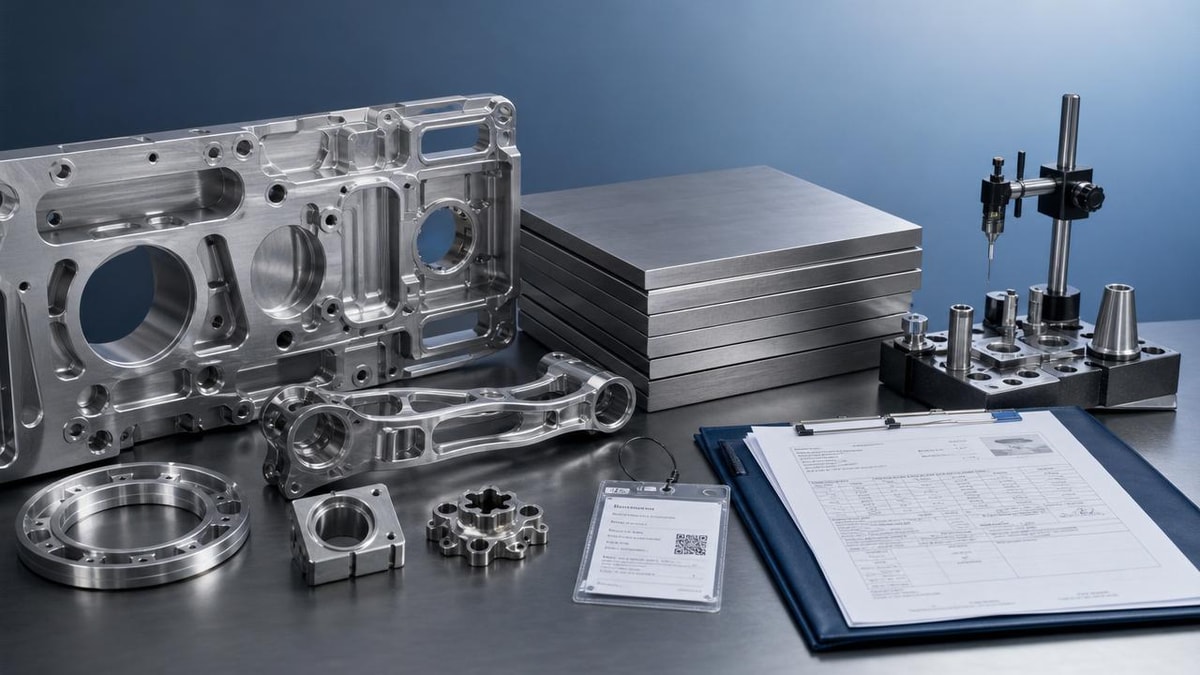
Procurement teams should verify relevant certifications such as ISO 9001, and where applicable, sector-specific controls or validated procedures for material handling, cleanliness, and final inspection. Request sample documents: material certificates, inspection reports, nonconformance workflows, and corrective action records. If a supplier hesitates to share controlled examples, that may indicate weak quality management.
For traceable components, lot integrity matters. Confirm how the supplier labels work-in-progress, links raw material to final parts, stores dimensional data, and manages revisions across multiple purchase orders. These controls are often invisible during quoting but become decisive later.
Scenario 4: Cost-sensitive programs still need total cost logic, not just low quotes
When buyers seek cost savings, Germany may appear less competitive than some offshore options on a pure piece-price basis. However, for many OEMs, a qualified OEM machined parts supplier Germany can lower total procurement cost through reduced scrap, shorter lead times, fewer quality claims, and easier engineering collaboration.
In cost-driven sourcing, compare more than quoted unit price. Evaluate setup charges, MOQ flexibility, packaging standards, Incoterms, logistics reliability, and rework exposure. A cheaper supplier with poor tolerance control can become expensive quickly once inspection failures, expediting fees, and production disruptions are included.
Procurement should ask suppliers to explain the cost structure. Are savings driven by automation, better fixture design, optimized cycle times, or material utilization? Transparent cost logic is a strong signal that the supplier understands long-term partnership economics rather than one-off bidding.
What technical capability should buyers verify first?
Across all scenarios, technical fit comes before commercial negotiation. Start with the basics: material experience, achievable tolerances, part size range, surface finish capability, and secondary processes such as heat treatment, coating, grinding, deburring, assembly, or cleaning. A capable OEM machined parts supplier Germany should clearly state which processes are in-house and which are subcontracted.
Then evaluate process depth. Can the supplier machine stainless steel, titanium, aluminum, copper alloys, engineered plastics, or difficult exotic materials relevant to your program? Do they use CMM inspection, optical measurement, or surface roughness testing? Can they manage thin-wall geometry, deep cavities, or complex five-axis profiles?
For procurement teams, a practical approach is to send a controlled RFQ package and compare supplier responses. The best candidates typically provide clarifying questions, risk notes, realistic tolerances, inspection proposals, and lead-time assumptions. Technical transparency during the RFQ stage often predicts execution quality later.
How to judge communication, project management, and commercial reliability
In cross-border sourcing, communication quality can make or break supplier performance. A strong OEM machined parts supplier Germany should offer clear points of contact, structured quotation formats, documented revision handling, and predictable escalation paths. Procurement should test this early by observing response quality, not just response speed.
Look for evidence of disciplined project management: version-controlled drawings, acknowledgment of critical-to-quality features, milestone-based updates, and clear shipment communication. For recurring business, evaluate ERP integration readiness, forecast handling, and whether the supplier can support blanket orders or vendor-managed inventory arrangements.
Commercial reliability also matters. Review financial stability, customer concentration risk, and dependence on a small number of machinists or subcontractors. A technically strong shop can still be a supply risk if it lacks organizational resilience.
Red flags buyers often miss when vetting a German machining supplier
Some warning signs are subtle. Procurement teams should be cautious if a supplier provides generic quality claims without concrete inspection examples, agrees to every tolerance without challenge, or cannot explain how lead times are built. Overpromising is often more dangerous than visible limitations.
Another common mistake is assuming German location guarantees German-level process maturity. Buyers should still audit actual workflows, especially for outsourced finishing, heat treatment, or surface treatment. If major steps occur outside direct control, ask how supplier qualification, incoming verification, and nonconformance management are handled.
Also watch for weak scalability. A supplier may perform well on ten parts but struggle at ten thousand. Capacity planning, fixture repeatability, and workforce depth should all be validated against your forecast, not just your initial order.
A practical vetting checklist for procurement teams
To qualify an OEM machined parts supplier Germany efficiently, buyers can use the following decision checklist:
- Match the supplier to your scenario: prototype, serial production, regulated application, or cost-focused sourcing.
- Verify material and process capability against actual drawings and tolerance requirements.
- Check certifications, inspection systems, and traceability procedures.
- Assess quote quality, engineering communication, and revision control discipline.
- Confirm lead times, surge capacity, subcontractor control, and logistics planning.
- Review sample documentation, first article reports, and corrective action methods.
- Compare total procurement cost, not only piece price.
FAQ: buyer questions about selecting an OEM machined parts supplier Germany
How many suppliers should be shortlisted?
For most programs, three to five qualified candidates are enough. This gives procurement a useful comparison without slowing the decision process.
Should buyers always request a factory audit?
Not always, but for high-value, high-risk, or regulated components, an on-site or virtual audit is strongly recommended. It helps validate whether the OEM machined parts supplier Germany operates as presented in the quotation stage.
Is Germany best for all machined parts sourcing?
No. Germany is especially attractive when precision, documentation, engineering collaboration, and dependable delivery carry more weight than the lowest nominal unit price.
Final sourcing guidance
The right OEM machined parts supplier Germany is the one that fits your application scenario, quality expectations, and supply risk profile—not simply the one with the strongest marketing claims or the cheapest quote. Procurement teams get better outcomes when they evaluate suppliers through the lens of real use cases: prototype speed, serial consistency, traceability demands, or total cost performance.
If you are building a supplier shortlist, start by mapping your part family, annual volume, compliance requirements, and delivery expectations. Then use a structured RFQ, request proof of process control, and compare partners on technical fit as rigorously as on price. In Germany’s advanced manufacturing ecosystem, the best sourcing decisions come from precise matching, disciplined vetting, and long-term partnership thinking.
Get weekly intelligence in your inbox.
No noise. No sponsored content. Pure intelligence.
 May 02, 2026Commercial EV Charging Installation Costs Beyond the HardwareCommercial EV Charging Installation Costs Beyond the Hardware
 May 02, 2026Portable EV Charging Solutions: Where They Actually FitPortable EV Charging Solutions: Where They Actually Fit
 May 02, 2026Why Automotive Aluminum Extrusions Fail at Joining PointsWhy Automotive Aluminum Extrusions Fail at Joining Points
 May 02, 2026Sheet Metal Bending Services in the USA: What Drives Lead TimeSheet Metal Bending Services in the USA: What Drives Lead Time
 May 02, 2026Cost-Effective Factory Automation Often Starts Smaller Than ExpectedCost-Effective Factory Automation Often Starts Smaller Than Expected
 May 02, 2026Choosing a Solar Panels Wholesale Distributor Without Price TrapsChoosing a Solar Panels Wholesale Distributor Without Price Traps
 May 02, 2026High Efficiency PV Modules: When the Premium Makes SenseHigh Efficiency PV Modules: When the Premium Makes Sense
 May 02, 2026Why Data Centers Are Rethinking ESS Backup StrategyWhy Data Centers Are Rethinking ESS Backup Strategy
 May 02, 2026Do Agricultural PV Modules Need Different Frame Designs?Do Agricultural PV Modules Need Different Frame Designs?
 May 02, 2026How to Vet an OEM Machined Parts Supplier in GermanyHow to Vet an OEM Machined Parts Supplier in Germany
 May 02, 2026Custom Metal Fabrication for Aerospace: Cost vs CertificationCustom Metal Fabrication for Aerospace: Cost vs Certification
 May 02, 2026What Slows Rapid Prototyping for Automotive Parts MostWhat Slows Rapid Prototyping for Automotive Parts Most
 May 02, 2026Rapid Prototyping Choices That Cut Delays in Consumer ElectronicsRapid Prototyping Choices That Cut Delays in Consumer Electronics
 May 02, 2026Why Aerospace Parts Need More Than Tight Lathe TurningWhy Aerospace Parts Need More Than Tight Lathe Turning
 May 02, 2026What Fireproof Technology Really Changes in Lithium BatteriesWhat Fireproof Technology Really Changes in Lithium Batteries
 May 02, 2026Are Grid-Tied Hybrid Inverters Enough for Unstable Supply?Are Grid-Tied Hybrid Inverters Enough for Unstable Supply?
 May 02, 2026What a Solar Panels Wholesale Price List Does Not ShowWhat a Solar Panels Wholesale Price List Does Not Show
 May 02, 2026How Long Life Cycle Batteries Lower Replacement CostsHow Long Life Cycle Batteries Lower Replacement Costs
 May 02, 2026Lathe Turning Tolerances That Matter in Industrial MachineryLathe Turning Tolerances That Matter in Industrial Machinery
 May 02, 2026ESS for Commercial Buildings: Sizing Mistakes to AvoidESS for Commercial Buildings: Sizing Mistakes to Avoid
 May 02, 2026Warehouse Robotics Bottlenecks That Slow Automation ROIWarehouse Robotics Bottlenecks That Slow Automation ROI
 May 02, 2026Where Smart Manufacturing Pays Off First in Auto PlantsWhere Smart Manufacturing Pays Off First in Auto Plants
 May 02, 2026Marine Aluminum Extrusions: What Corrosion Ratings MissMarine Aluminum Extrusions: What Corrosion Ratings Miss
 May 02, 2026Plastic Injection Molding Machine Specs That Affect OutputPlastic Injection Molding Machine Specs That Affect Output
 May 02, 2026What Limits 5 Axis Milling Accuracy for Medical Devices?What Limits 5 Axis Milling Accuracy for Medical Devices?
 May 02, 2026How to Compare a Die Casting Parts Manufacturer in ChinaHow to Compare a Die Casting Parts Manufacturer in China
 May 02, 2026Why Oil and Gas Projects Still Rely on Steel ForgingWhy Oil and Gas Projects Still Rely on Steel Forging