Plastic Injection Molding Machine Specs That Affect Output
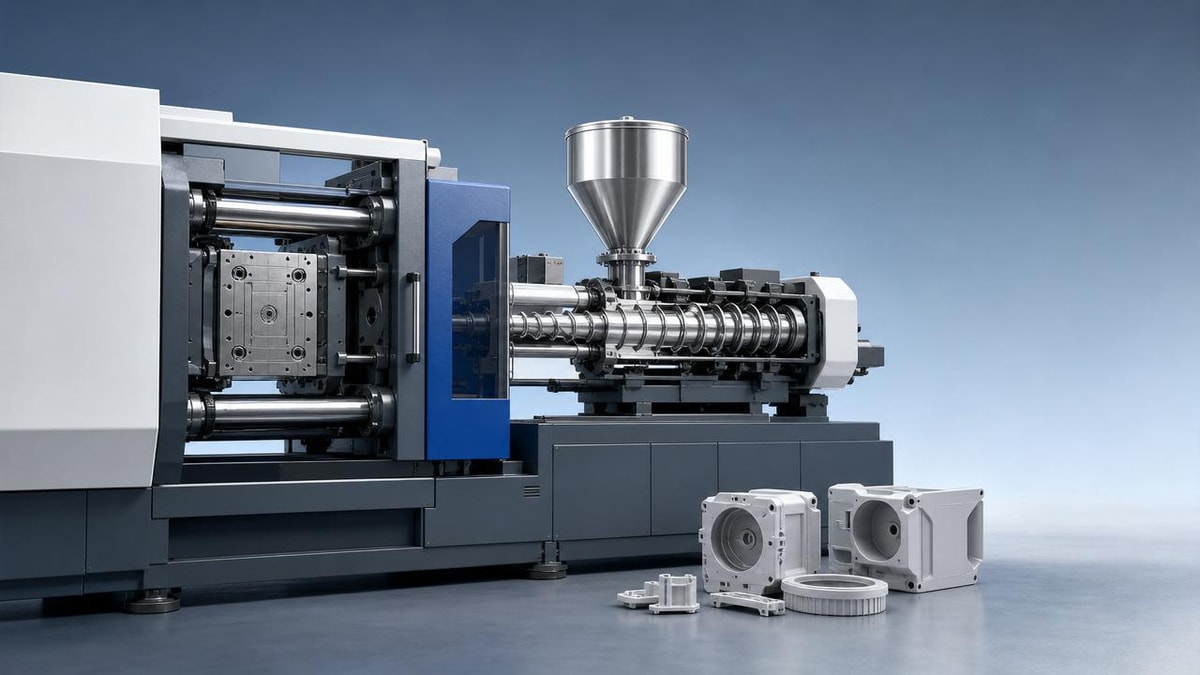
Understanding plastic injection molding machine specifications is essential for operators who need stable output, consistent part quality, and lower downtime. From clamping force and shot size to cycle speed and energy efficiency, the right specs directly influence production performance. This guide explains which machine parameters matter most and how they affect daily output in real manufacturing environments.
When operators search for plastic injection molding machine specifications, they usually are not looking for a generic definition sheet. They want to know which specs actually affect output, how those numbers show up on the shop floor, and what to watch when a machine seems capable on paper but underperforms in production. The short answer is simple: the most important specifications are the ones that control filling stability, clamp security, cooling consistency, repeatability, and cycle time under real operating conditions.
In practice, a machine with impressive headline numbers can still produce poor output if its shot capacity is mismatched, its injection speed is too limited for the mold, or its tie bar spacing restricts tooling setup. For operators, output is not just about parts per hour. It is also about scrap rate, startup time, process stability, maintenance interruptions, and how often adjustments are needed to keep parts in spec.
This article focuses on the machine specs that matter most for actual production. Instead of treating every specification equally, it explains how operators can connect each parameter to throughput, part quality, and uptime. That makes it easier to read machine data sheets with a practical mindset rather than as a list of technical terms.
Which plastic injection molding machine specifications matter most for output?
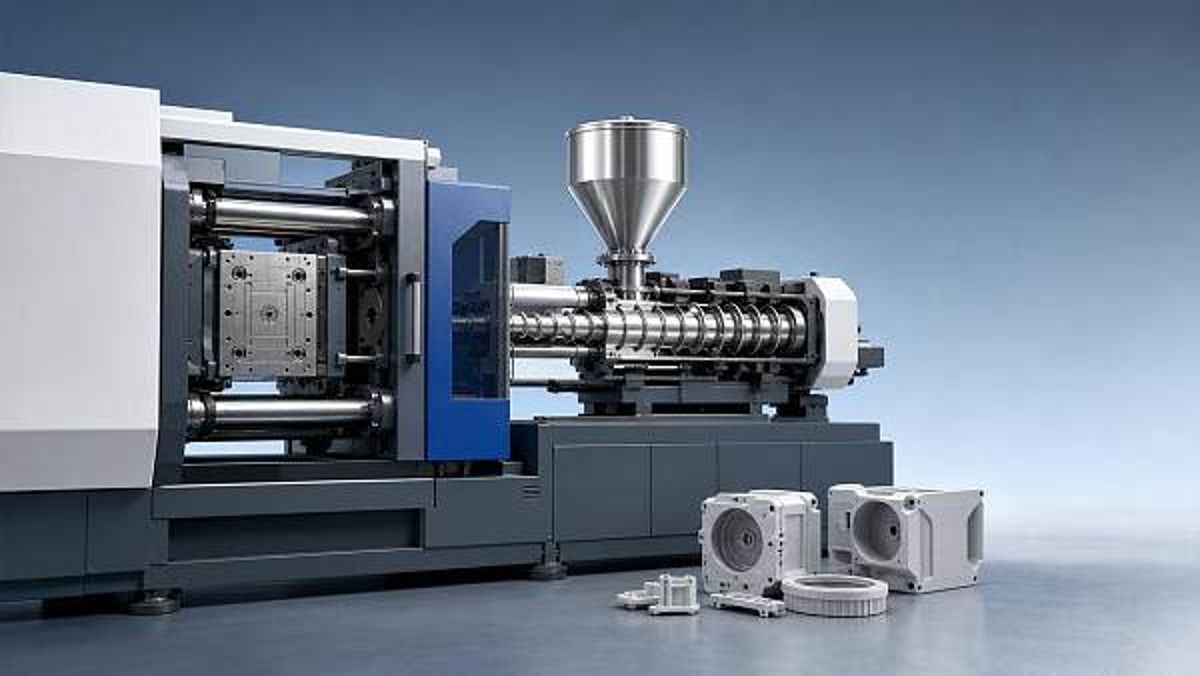
The core search intent behind plastic injection molding machine specifications is performance-based decision support. Operators want to understand which specifications directly influence cycle time, repeatability, filling behavior, and machine reliability. They also want to avoid common mismatches between machine capability and mold requirements.
The most output-sensitive specifications are clamping force, shot size, injection pressure, injection speed, plasticizing capacity, screw diameter, screw L/D ratio, platen size, tie bar spacing, mold thickness range, ejector force, dry cycle speed, and power efficiency. Not every job depends on all of them equally, but most production problems can be traced to one or more of these areas.
If your goal is higher output, start by asking a practical question: does this machine support the process window required by the mold and material without operating at its limit? Machines that run too close to maximum clamp tonnage, maximum shot volume, or maximum pressure often create instability. Stable output usually comes from having enough capacity margin, not just enough nominal capacity to run.
How clamping force affects output, scrap, and machine stability
Clamping force is one of the most discussed specifications because it determines whether the mold stays properly closed during injection and packing. If clamp tonnage is too low, the mold may flash, part dimensions may drift, and cavity pressure may become inconsistent. That reduces acceptable output even if cycle speed looks fast.
Operators often think of clamping force only as a protection against flash, but it also supports process repeatability. When the machine maintains stable clamping across repeated cycles, cavity sealing becomes more predictable. That helps reduce variation in part weight, cosmetic defects, and post-mold warpage.
Too much clamp tonnage is not always better. Excessive tonnage can increase mold wear, energy use, and setup complexity. It may also mask process issues that should be corrected through filling balance or pressure optimization. The right approach is to match clamp force to projected area, cavity pressure, and material behavior, while keeping enough reserve for stable operation.
From an output perspective, correct clamping force reduces stoppages related to flash, keeps scrap lower, and supports longer uninterrupted runs. For operators, that means fewer interventions and more predictable hourly production.
Why shot size and shot weight are critical for consistent parts per hour
Shot size is one of the most practical plastic injection molding machine specifications because it determines whether the machine can deliver the required material volume efficiently and consistently. If the required shot is too close to the machine’s maximum capacity, the process becomes harder to control. Cushion stability may suffer, residence time may become less predictable, and part consistency may drop.
As a rule, many processors prefer to use a shot that sits within a comfortable percentage of the machine’s barrel capacity rather than at the extreme upper or lower end. Running too small a shot in an oversized barrel can also create problems, especially with heat history and material degradation for sensitive resins. Running too large a shot may limit packing performance and reduce repeatability.
For operators, shot mismatch usually shows up as unstable cushion, varying part weights, splay, burn marks, short shots, or longer recovery time than expected. These issues hurt output because they force constant adjustment and increase the risk of rejects.
When reviewing machine specifications, do not look only at the published shot volume. Check whether the value is based on polystyrene equivalent, because actual shot weight changes by material density. A machine that seems large enough on paper may be undersized for a denser resin or for a multi-cavity tool with a large runner system.
Injection pressure and speed: the specs that often decide whether a mold can run efficiently
Injection pressure and injection speed are essential when molds have thin walls, long flow lengths, detailed geometries, or strict cosmetic requirements. If the machine cannot reach the necessary fill speed, the result may be hesitation marks, short shots, weld line weakness, or unstable fill balance. In those cases, output loss is caused not by slow machine cycles alone but by poor fill quality that leads to scrap.
Injection pressure matters because it determines whether the machine can overcome flow resistance in the mold. However, high maximum pressure is only useful if the machine can also control it precisely during actual filling and packing. Operators need not just peak capability but stable, repeatable performance cycle after cycle.
Injection speed affects how quickly the cavity fills and how the melt behaves during flow. Faster injection can help with thin-wall parts and reduce premature freezing, but only when the mold venting and process settings support it. If speed control is poor, high nominal speed does not translate into usable output.
Machines with strong speed and pressure capability generally offer a wider processing window. That gives operators more flexibility to solve defects without sacrificing throughput. On the shop floor, that often means fewer startup trials, less sensitivity to minor material variation, and more stable production over longer shifts.
Plasticizing capacity and screw design: overlooked specs that limit cycle time
Many operators focus on injection specifications and overlook plasticizing capacity, yet recovery time can become the hidden bottleneck in output. Plasticizing capacity describes how much material the screw can melt and prepare over time. If screw recovery takes longer than the cooling phase, the machine may have to wait before the next cycle can start. That directly increases cycle time.
Screw diameter and screw L/D ratio also affect melt quality, shear behavior, and recovery performance. A larger screw may provide more output volume, but it can reduce injection pressure capability if not properly matched. A smaller screw may improve pressure but limit recovery for larger shots. There is always a balance between melt preparation and injection performance.
The right screw design depends on resin type, filler content, and processing temperature range. Engineering resins, recycled blends, flame-retardant grades, or fiber-filled materials may all respond differently. If the screw is not suitable, operators may see unstable melt temperature, inconsistent back pressure response, black specks, degradation, or poor color mixing.
From an output standpoint, consistent plasticizing supports a steady cycle and stable part quality. A machine that fills well but recovers slowly will not reach its theoretical hourly capacity. That is why plasticizing-related plastic injection molding machine specifications deserve close attention during machine selection and process troubleshooting.
Platen size, tie bar spacing, and mold thickness range: setup specs that affect usable output
Some machine specifications do not directly change melt flow or pressure, but they strongly affect whether a mold can be installed and run efficiently. Platen dimensions, tie bar spacing, opening stroke, and mold thickness range all influence setup practicality. If the mold barely fits, maintenance access becomes harder, hose routing may be compromised, and changeovers may take longer.
Tie bar spacing is especially important for larger tools, side actions, and complex cooling or hot runner connections. A machine may have enough clamp tonnage but still be a poor fit if the mold base cannot be mounted cleanly. That mismatch slows installation and increases the chance of production delays.
Mold thickness range and daylight opening matter during setup and part ejection. If the machine has limited opening stroke, parts may not drop cleanly, robots may have less room to operate, and cycle interruptions may increase. In automated cells, these mechanical limits can have a major effect on true output.
Operators care about output in real conditions, not only in ideal cycle simulations. A machine that allows quick mold changes, clean access, and stable automation integration will often outperform a theoretically faster machine that creates setup friction and recurring stoppages.
Cycle speed specifications: what dry cycle time does and does not tell you
Machine builders often promote dry cycle time, but operators should treat it carefully. Dry cycle time measures machine motion without material, cooling, or part ejection under real production load. It can indicate the responsiveness of the clamp and hydraulic or servo system, but it does not represent actual molded-part output.
Real output depends on the total cycle: mold close, injection, pack, cooling, screw recovery, mold open, ejection, and part handling. If one phase dominates the cycle, shaving milliseconds from clamp movement may have little impact. For example, in thick-wall parts, cooling time usually controls output far more than dry motion speed.
That said, machine responsiveness still matters in fast-cycle packaging, caps, closures, and other high-volume applications. In those environments, acceleration, deceleration, and repeat motion accuracy can significantly affect hourly production. The key is to judge cycle speed specifications in the context of the part and mold, not as a standalone indicator.
Operators should also pay attention to repeatability at speed. A machine that runs very fast but produces unstable transfer points or inconsistent cushion can create more rejects than a slightly slower but more stable machine. Effective output is measured in good parts delivered, not just cycles completed.
Energy efficiency and drive system choice can influence output more than expected
Energy efficiency may sound like a cost topic rather than an output topic, but on modern production floors the two are often connected. All-electric, servo-hydraulic, and traditional hydraulic machines behave differently in terms of motion control, heat generation, response precision, and maintenance demand.
All-electric machines often provide excellent repeatability, fast dry cycles, and cleaner operation, which can help output in precision molding applications. Servo-hydraulic machines can offer a strong balance between power, efficiency, and flexibility, especially for varied production environments. Older hydraulic systems may still perform well, but they often require more maintenance and can generate more process variation as components wear.
Lower energy consumption alone does not guarantee better output. However, machines with better control systems and more stable drive performance often reduce drift, improve motion consistency, and shorten warm-up instability. Over time, that means fewer interruptions and more usable production hours.
For operators, the practical question is whether the machine maintains stable performance throughout the shift. If heat buildup, oil condition, or response lag changes the process after several hours, output quality can suffer even when initial startup looks good.
Control accuracy, repeatability, and monitoring features are output multipliers
Some of the most valuable specifications are not purely mechanical. Control system accuracy, position repeatability, pressure response, and process monitoring functions can dramatically influence output. A machine that allows precise transfer control, stable holding pressure, and clear alarm visibility helps operators keep the process centered instead of constantly reacting to drift.
Modern monitoring features such as cavity pressure integration, shot-to-shot trend tracking, screw position consistency, and cycle deviation alarms can reduce troubleshooting time. These tools do not replace operator skill, but they improve decision speed. Faster diagnosis means shorter downtime and less wasted material.
Repeatability is especially important in multi-shift operations where different operators handle the same cell. Machines with intuitive controls and stable recipe management make it easier to preserve output across teams. This matters because human inconsistency can quickly reduce the benefits of strong machine hardware.
If two machines appear similar in basic plastic injection molding machine specifications, the better control platform may deliver more long-term value in output, quality stability, and reduced setup time.
How operators can judge whether machine specs fit the actual job
The best way to evaluate specifications is to connect them to the mold, material, and production target. Start with part weight, runner weight, cavity count, resin type, wall thickness, and target cycle time. Then compare those needs with machine shot capacity, pressure capability, speed range, clamp force, plasticizing rate, and physical mold-fit limits.
Do not judge a machine only by its maximum values. Look at whether it can run your application comfortably within its normal operating range. Output usually improves when the machine has enough margin for process variation, ambient changes, and material lot differences.
Operators should also ask practical questions. Is screw recovery completed before cooling ends? Is the cushion stable across long runs? Does the machine maintain clamp consistency after heat buildup? Can the mold be installed without awkward compromises? Do alarms and trends make troubleshooting easier or harder?
These questions translate specification sheets into production reality. They help distinguish between a machine that can technically make the part and a machine that can produce the part efficiently, repeatedly, and with low intervention.
Common mistakes when reading plastic injection molding machine specifications
A common mistake is focusing only on tonnage. Clamp force matters, but it does not tell the full story. Many output problems come from limited shot capacity, weak speed performance, slow recovery, poor controls, or mold-fit restrictions rather than insufficient tonnage alone.
Another mistake is assuming published values are equally relevant across all materials and molds. Shot capacity based on one resin may not reflect actual usable output with another. Maximum pressure may not be sustainable at the needed speed. Dry cycle values may not predict molded-part cycle time.
Operators also sometimes overlook maintenance-related implications. A machine that looks ideal in specifications but is difficult to maintain, slow to purge, or sensitive to wear may lose output over time. Long-term production performance depends on both technical capability and operational durability.
Finally, avoid reading specifications in isolation. The real question is how those numbers work together. A balanced machine with well-matched clamp, injection, plasticizing, and control capabilities usually produces better output than a machine that excels in one area but creates constraints in another.
Conclusion
For operators, the value of plastic injection molding machine specifications lies in their direct link to output, quality, and uptime. The most important specs are not just the biggest numbers on the brochure. They are the parameters that determine whether the machine can fill the mold consistently, hold the process stable, recover material on time, fit the tooling properly, and run shift after shift without excessive adjustment.
If you remember one principle, let it be this: output comes from usable, repeatable capability rather than theoretical maximum capability. Clamping force, shot size, injection pressure and speed, plasticizing capacity, screw design, mold-fit dimensions, cycle responsiveness, and control accuracy all contribute to that result.
When these specifications are well matched to the application, operators gain what matters most on the production floor: consistent parts, lower scrap, shorter interruptions, and predictable throughput. That is the practical meaning behind machine specs, and it is the reason understanding them leads to better production performance.
Get weekly intelligence in your inbox.
No noise. No sponsored content. Pure intelligence.
 May 02, 2026Commercial EV Charging Installation Costs Beyond the HardwareCommercial EV Charging Installation Costs Beyond the Hardware
 May 02, 2026Portable EV Charging Solutions: Where They Actually FitPortable EV Charging Solutions: Where They Actually Fit
 May 02, 2026Why Automotive Aluminum Extrusions Fail at Joining PointsWhy Automotive Aluminum Extrusions Fail at Joining Points
 May 02, 2026Sheet Metal Bending Services in the USA: What Drives Lead TimeSheet Metal Bending Services in the USA: What Drives Lead Time
 May 02, 2026Cost-Effective Factory Automation Often Starts Smaller Than ExpectedCost-Effective Factory Automation Often Starts Smaller Than Expected
 May 02, 2026Choosing a Solar Panels Wholesale Distributor Without Price TrapsChoosing a Solar Panels Wholesale Distributor Without Price Traps
 May 02, 2026High Efficiency PV Modules: When the Premium Makes SenseHigh Efficiency PV Modules: When the Premium Makes Sense
 May 02, 2026Why Data Centers Are Rethinking ESS Backup StrategyWhy Data Centers Are Rethinking ESS Backup Strategy
 May 02, 2026Do Agricultural PV Modules Need Different Frame Designs?Do Agricultural PV Modules Need Different Frame Designs?
 May 02, 2026How to Vet an OEM Machined Parts Supplier in GermanyHow to Vet an OEM Machined Parts Supplier in Germany
 May 02, 2026Custom Metal Fabrication for Aerospace: Cost vs CertificationCustom Metal Fabrication for Aerospace: Cost vs Certification
 May 02, 2026What Slows Rapid Prototyping for Automotive Parts MostWhat Slows Rapid Prototyping for Automotive Parts Most
 May 02, 2026Rapid Prototyping Choices That Cut Delays in Consumer ElectronicsRapid Prototyping Choices That Cut Delays in Consumer Electronics
 May 02, 2026Why Aerospace Parts Need More Than Tight Lathe TurningWhy Aerospace Parts Need More Than Tight Lathe Turning
 May 02, 2026What Fireproof Technology Really Changes in Lithium BatteriesWhat Fireproof Technology Really Changes in Lithium Batteries
 May 02, 2026Are Grid-Tied Hybrid Inverters Enough for Unstable Supply?Are Grid-Tied Hybrid Inverters Enough for Unstable Supply?
 May 02, 2026What a Solar Panels Wholesale Price List Does Not ShowWhat a Solar Panels Wholesale Price List Does Not Show
 May 02, 2026How Long Life Cycle Batteries Lower Replacement CostsHow Long Life Cycle Batteries Lower Replacement Costs
 May 02, 2026Lathe Turning Tolerances That Matter in Industrial MachineryLathe Turning Tolerances That Matter in Industrial Machinery
 May 02, 2026ESS for Commercial Buildings: Sizing Mistakes to AvoidESS for Commercial Buildings: Sizing Mistakes to Avoid
 May 02, 2026Warehouse Robotics Bottlenecks That Slow Automation ROIWarehouse Robotics Bottlenecks That Slow Automation ROI
 May 02, 2026Where Smart Manufacturing Pays Off First in Auto PlantsWhere Smart Manufacturing Pays Off First in Auto Plants
 May 02, 2026Marine Aluminum Extrusions: What Corrosion Ratings MissMarine Aluminum Extrusions: What Corrosion Ratings Miss
 May 02, 2026Plastic Injection Molding Machine Specs That Affect OutputPlastic Injection Molding Machine Specs That Affect Output
 May 02, 2026What Limits 5 Axis Milling Accuracy for Medical Devices?What Limits 5 Axis Milling Accuracy for Medical Devices?
 May 02, 2026How to Compare a Die Casting Parts Manufacturer in ChinaHow to Compare a Die Casting Parts Manufacturer in China
 May 02, 2026Why Oil and Gas Projects Still Rely on Steel ForgingWhy Oil and Gas Projects Still Rely on Steel Forging