Rapid Prototyping Choices That Cut Delays in Consumer Electronics
In consumer electronics, missed prototype cycles can derail launch windows, inflate costs, and strain cross-functional teams. Choosing the right approach to rapid prototyping for consumer electronics helps project leaders validate design intent faster, reduce engineering rework, and keep suppliers aligned from concept to pilot build. This article explores practical prototyping choices that shorten delays without compromising product quality or market readiness.
Why do prototype delays happen so often in consumer electronics programs?
For project managers and engineering leads, delays rarely come from one dramatic failure. They usually come from stacked small decisions: the wrong prototype method for the design stage, unclear tolerances, late supplier feedback, or test plans that do not match the intended manufacturing route. In rapid prototyping for consumer electronics, speed matters, but stage-fit matters more.
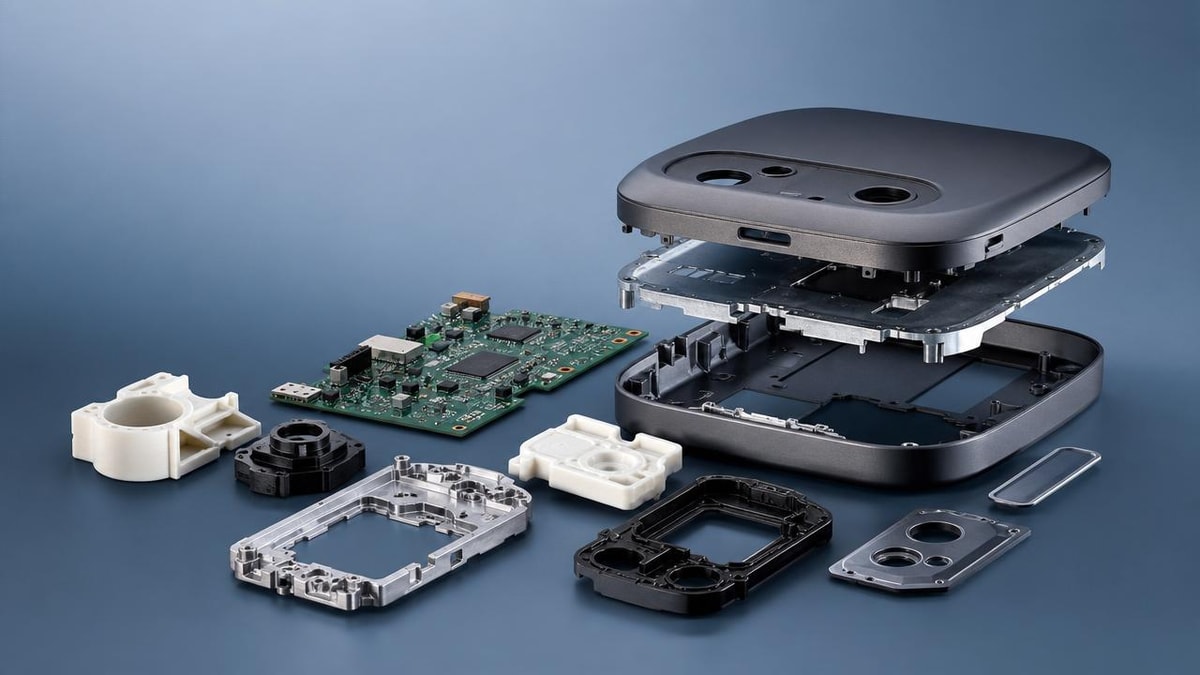
Consumer electronics projects are especially exposed because industrial design, PCB layout, thermal performance, enclosure integrity, antenna behavior, assembly sequence, and cosmetic finish all interact. A housing that looks acceptable in an early print may fail once snap-fits, heat dissipation, EMI shielding, or charging-port alignment are evaluated under realistic conditions.
This is where disciplined decision-making becomes valuable. Procurement teams need cost clarity. Engineering needs fast validation. Operations needs confidence that prototype data can transfer into pilot production. Platforms such as TradeNexus Pro help decision-makers compare supplier capabilities, monitor component and process shifts, and reduce the blind spots that often cause repeated prototype turns.
- Design teams choose a prototype process based only on speed, then discover the material or tolerance does not represent production intent.
- Hardware and mechanical teams validate in parallel but without a shared build matrix, creating misaligned revision control.
- Suppliers quote lead times without confirming tooling complexity, surface finish requirements, or post-processing constraints.
- Prototype acceptance criteria remain vague, so teams approve a build that cannot answer the next-stage risk questions.
How should you match rapid prototyping for consumer electronics to each project stage?
A practical way to cut delays is to stop treating all prototypes as the same. Different build stages answer different questions. Early concept models should optimize learning speed. Engineering validation models should stress tolerance, fit, function, and integration. Pre-pilot builds should focus on manufacturability and process stability.
The table below helps project leaders align rapid prototyping for consumer electronics with the most common decision checkpoints.
The key insight is simple: use the cheapest and fastest method that still answers the right technical question. When a prototype is too crude, teams miss critical defects. When it is too refined too early, schedules slow and budgets tighten before real risks are exposed.
A stage-gate checklist for project leaders
- Define what this build must prove: appearance, fit, function, reliability, or assembly readiness.
- Specify which dimensions and materials must mimic production, and which can remain approximate.
- Confirm whether the supplier can document process capability, not just produce a one-off part.
- Tie acceptance to measurable outcomes such as torque retention, drop-test readiness, connector fit, or cosmetic grade.
Which prototyping methods reduce delays best?
There is no single winning method in rapid prototyping for consumer electronics. The right choice depends on geometry complexity, part count, cosmetic expectations, test purpose, and how close the build needs to be to eventual mass production. Many delays happen when teams choose one method for convenience and expect it to solve every validation need.
The comparison below highlights where the most common methods fit and where they often create hidden schedule risk.
In practice, the fastest programs use a mix. A team may use SLA for housing iterations, CNC for heat-spreading frames, and bridge tooling for pilot-ready cosmetic parts. That blended strategy often shortens the overall program because each component is validated with an appropriate method instead of forcing everything through a single pipeline.
When mixed-method prototyping works best
- Wearables and handheld devices, where appearance and fit matter as much as internal layout.
- Smart home products with multiple enclosure materials, such as plastics plus metal inserts or thermal parts.
- Connected devices that require repeated antenna, thermal, and charging-port revisions before tooling release.
What should procurement and project teams evaluate before placing a prototype order?
Procurement errors are a major source of prototype delays. A low quote can become expensive if the supplier cannot hold tolerance, support finish requirements, or communicate design-for-manufacturing risks early. For rapid prototyping for consumer electronics, supplier evaluation should go beyond price and lead time.
The table below provides a procurement-oriented selection framework that project managers can use during RFQ review and supplier shortlisting.
Strong procurement decisions reduce hidden queue time, not just visible machine time. That is why market intelligence matters. Teams using specialized B2B insight platforms can better identify which suppliers are suited to appearance models, functional engineering builds, or pilot-stage low-volume production instead of relying on generic vendor lists.
A short RFQ checklist
- Include target quantity, revision level, and critical dimensions on the first RFQ round.
- State whether the goal is cosmetic approval, functional validation, or assembly rehearsal.
- Ask for alternate process suggestions rather than only a quote on the requested method.
- Request explicit lead-time splits for machining, finishing, inspection, and shipping.
How can teams control cost without slowing the program?
Cost pressure is real, especially when several prototype rounds are planned before pilot build. The goal is not to minimize unit price on every part. The goal is to minimize total delay cost across the program. In rapid prototyping for consumer electronics, a slightly higher upfront cost can be justified if it removes a week of redesign or avoids a late-stage tooling correction.
Cost-saving moves that usually help
- Prototype only the high-risk components at production-like fidelity, while keeping low-risk parts simpler.
- Group engineering changes into planned revision windows instead of sending fragmented updates.
- Use modular housings or interchangeable inserts when the industrial design is still fluid.
- Reserve bridge tooling for designs that have already passed major architecture changes.
A common mistake is treating premium cosmetic finishing as essential in every round. For many internal reviews, dimensional integrity and assembly relevance matter more than final paint or texture. Another mistake is requesting too few samples. If one unit is used for thermal testing, another for fit checks, and another for drop preparation, the team gains better data and avoids destructive test conflicts.
What compliance and technical risks should not be ignored?
Even at prototype stage, project leaders should think ahead about compliance and manufacturing transfer. Consumer electronics may later need evaluation against electrical safety, EMC, battery transport, environmental substance restrictions, or recycling-related market requirements. Prototype choices that ignore these future constraints often create late design resets.
Key areas to consider early
- Mechanical spacing and enclosure design should anticipate electrical safety and heat management needs.
- Material selection should consider likely downstream requirements such as flammability grades or restricted substance compliance.
- Wireless products should not rely on enclosure prototypes that distort antenna performance beyond useful interpretation.
- Battery-powered devices need early attention to pack fit, ventilation paths, connector retention, and shipping implications.
This does not mean every prototype must be certification-ready. It means the team should know which dimensions, materials, and interfaces are compliance-sensitive. In cross-border supply networks, that foresight reduces the risk of redesigning housings, labels, or internal layouts after tooling decisions have already been made.
Common mistakes in rapid prototyping for consumer electronics
Mistake 1: Approving a prototype that looks right but tests the wrong thing
A sleek appearance model can create false confidence. If snap features, thermal conduction, PCB stack-up, or button travel are not represented correctly, the next revision may still fail despite stakeholder approval.
Mistake 2: Compressing timeline by skipping DFM feedback
Teams sometimes rush straight into fabrication, assuming manufacturability can be solved later. In reality, unresolved undercuts, thin walls, non-serviceable fasteners, or impossible assembly angles often cost more time downstream than an early DFM review would have taken.
Mistake 3: Using prototype data as if it were pilot data
A hand-built sample or artisan-finished enclosure may pass internal review but still fail in repeatability. Project managers should separate functional insight from process capability evidence. Those are not the same deliverables.
FAQ: practical questions project leaders often ask
How do I choose the best method for rapid prototyping for consumer electronics?
Start with the decision you need to make next. If the next gate is ergonomic approval, use fast appearance models. If the next gate is thermal or fit validation, use materials and tolerances closer to production. If the next gate is pilot readiness, prioritize process-representative builds over visual perfection alone.
What lead time is realistic for prototype parts?
It depends on method, finishing, and revision stability. Simple printed parts may move in days, while machined assemblies or bridge-tooled components can take significantly longer once inspection, surface finishing, and logistics are added. The more important question is whether the quoted lead time includes DFM review, rework allowances, and approval loops.
Should procurement prioritize local or overseas prototype suppliers?
The answer depends on urgency, IP controls, finishing requirements, and the need for real-time engineering interaction. Local suppliers may shorten communication cycles for complex iterations. Overseas suppliers may offer broader process combinations or more competitive economics for larger prototype batches. Many electronics teams use both, depending on stage and part criticality.
When is low-volume injection molding worth the extra cost?
It becomes worthwhile when the design is sufficiently stable and the team needs better insight into molded-part behavior, cosmetic consistency, assembly flow, or pilot training. It is less suitable when architecture changes are still frequent.
Why work with us when prototype timing and sourcing decisions are critical?
TradeNexus Pro supports enterprise buyers, procurement leaders, and engineering decision-makers who need more than generic supplier directories. Our focus across advanced manufacturing, smart electronics, healthcare technology, green energy, and supply chain software gives project teams a sharper view of process capability, sourcing signals, and market shifts that influence prototype feasibility and launch timing.
If your team is evaluating rapid prototyping for consumer electronics, you can engage with us around specific, decision-ready topics: prototype method selection, supplier comparison, lead-time risk review, material substitution assessment, pilot-build preparation, compliance-sensitive design checkpoints, and RFQ refinement for faster quoting accuracy.
Contact us if you need support with parameter confirmation, prototype sourcing options, delivery schedule planning, customization pathways, certification-related considerations, sample strategy, or quote alignment across multiple suppliers. For project leaders under launch pressure, the right information at the right stage often saves more time than any single fabrication shortcut.
Get weekly intelligence in your inbox.
No noise. No sponsored content. Pure intelligence.
 May 02, 2026Commercial EV Charging Installation Costs Beyond the HardwareCommercial EV Charging Installation Costs Beyond the Hardware
 May 02, 2026Portable EV Charging Solutions: Where They Actually FitPortable EV Charging Solutions: Where They Actually Fit
 May 02, 2026Why Automotive Aluminum Extrusions Fail at Joining PointsWhy Automotive Aluminum Extrusions Fail at Joining Points
 May 02, 2026Sheet Metal Bending Services in the USA: What Drives Lead TimeSheet Metal Bending Services in the USA: What Drives Lead Time
 May 02, 2026Cost-Effective Factory Automation Often Starts Smaller Than ExpectedCost-Effective Factory Automation Often Starts Smaller Than Expected
 May 02, 2026Choosing a Solar Panels Wholesale Distributor Without Price TrapsChoosing a Solar Panels Wholesale Distributor Without Price Traps
 May 02, 2026High Efficiency PV Modules: When the Premium Makes SenseHigh Efficiency PV Modules: When the Premium Makes Sense
 May 02, 2026Why Data Centers Are Rethinking ESS Backup StrategyWhy Data Centers Are Rethinking ESS Backup Strategy
 May 02, 2026Do Agricultural PV Modules Need Different Frame Designs?Do Agricultural PV Modules Need Different Frame Designs?
 May 02, 2026How to Vet an OEM Machined Parts Supplier in GermanyHow to Vet an OEM Machined Parts Supplier in Germany
 May 02, 2026Custom Metal Fabrication for Aerospace: Cost vs CertificationCustom Metal Fabrication for Aerospace: Cost vs Certification
 May 02, 2026What Slows Rapid Prototyping for Automotive Parts MostWhat Slows Rapid Prototyping for Automotive Parts Most
 May 02, 2026Rapid Prototyping Choices That Cut Delays in Consumer ElectronicsRapid Prototyping Choices That Cut Delays in Consumer Electronics
 May 02, 2026Why Aerospace Parts Need More Than Tight Lathe TurningWhy Aerospace Parts Need More Than Tight Lathe Turning
 May 02, 2026What Fireproof Technology Really Changes in Lithium BatteriesWhat Fireproof Technology Really Changes in Lithium Batteries
 May 02, 2026Are Grid-Tied Hybrid Inverters Enough for Unstable Supply?Are Grid-Tied Hybrid Inverters Enough for Unstable Supply?
 May 02, 2026What a Solar Panels Wholesale Price List Does Not ShowWhat a Solar Panels Wholesale Price List Does Not Show
 May 02, 2026How Long Life Cycle Batteries Lower Replacement CostsHow Long Life Cycle Batteries Lower Replacement Costs
 May 02, 2026Lathe Turning Tolerances That Matter in Industrial MachineryLathe Turning Tolerances That Matter in Industrial Machinery
 May 02, 2026ESS for Commercial Buildings: Sizing Mistakes to AvoidESS for Commercial Buildings: Sizing Mistakes to Avoid
 May 02, 2026Warehouse Robotics Bottlenecks That Slow Automation ROIWarehouse Robotics Bottlenecks That Slow Automation ROI
 May 02, 2026Where Smart Manufacturing Pays Off First in Auto PlantsWhere Smart Manufacturing Pays Off First in Auto Plants
 May 02, 2026Marine Aluminum Extrusions: What Corrosion Ratings MissMarine Aluminum Extrusions: What Corrosion Ratings Miss
 May 02, 2026Plastic Injection Molding Machine Specs That Affect OutputPlastic Injection Molding Machine Specs That Affect Output
 May 02, 2026What Limits 5 Axis Milling Accuracy for Medical Devices?What Limits 5 Axis Milling Accuracy for Medical Devices?
 May 02, 2026How to Compare a Die Casting Parts Manufacturer in ChinaHow to Compare a Die Casting Parts Manufacturer in China
 May 02, 2026Why Oil and Gas Projects Still Rely on Steel ForgingWhy Oil and Gas Projects Still Rely on Steel Forging