Cost-Effective Factory Automation Often Starts Smaller Than Expected
For many enterprise decision-makers, the path to modernization does not begin with a full-scale overhaul. In reality, factory automation systems cost-effective strategies often start with targeted upgrades that solve immediate bottlenecks, reduce labor strain, and improve output visibility. Understanding where to begin can help manufacturers control risk, unlock faster returns, and build a smarter foundation for long-term automation.
What does a cost-effective factory automation approach actually mean?
A cost-effective automation strategy does not mean buying the cheapest equipment or delaying every capital decision. It means investing in automation where measurable operational gains can be achieved with manageable risk. For most companies, that includes identifying repetitive manual tasks, unstable quality points, throughput bottlenecks, and data blind spots that limit planning accuracy.
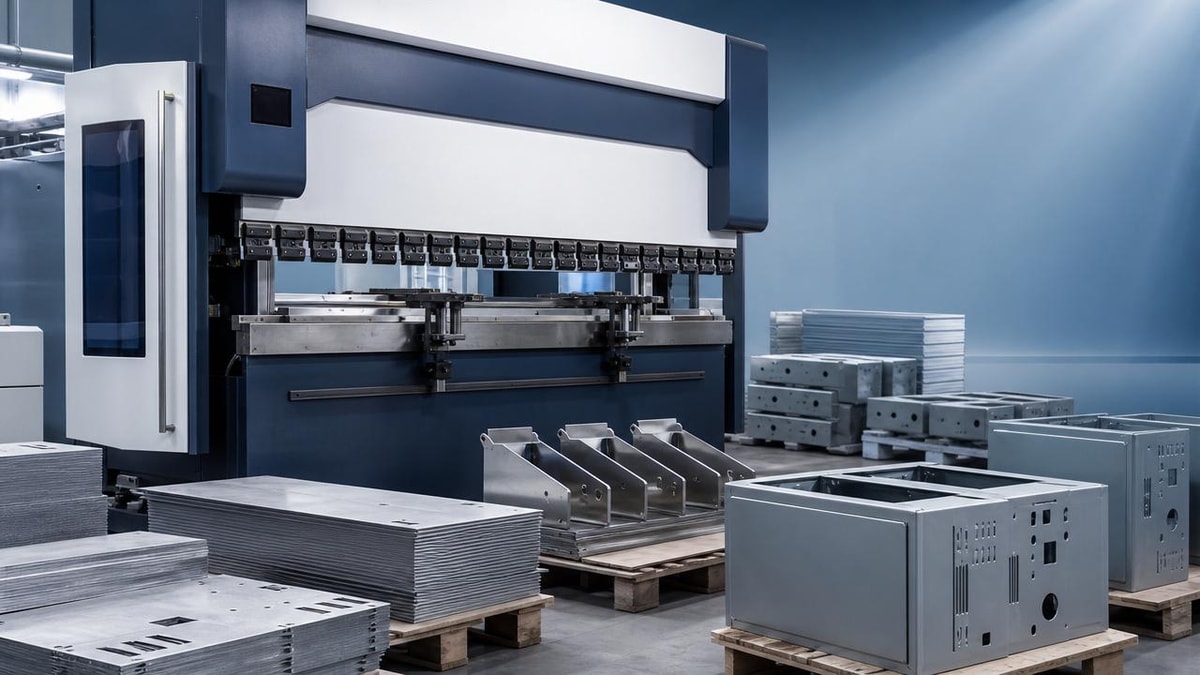
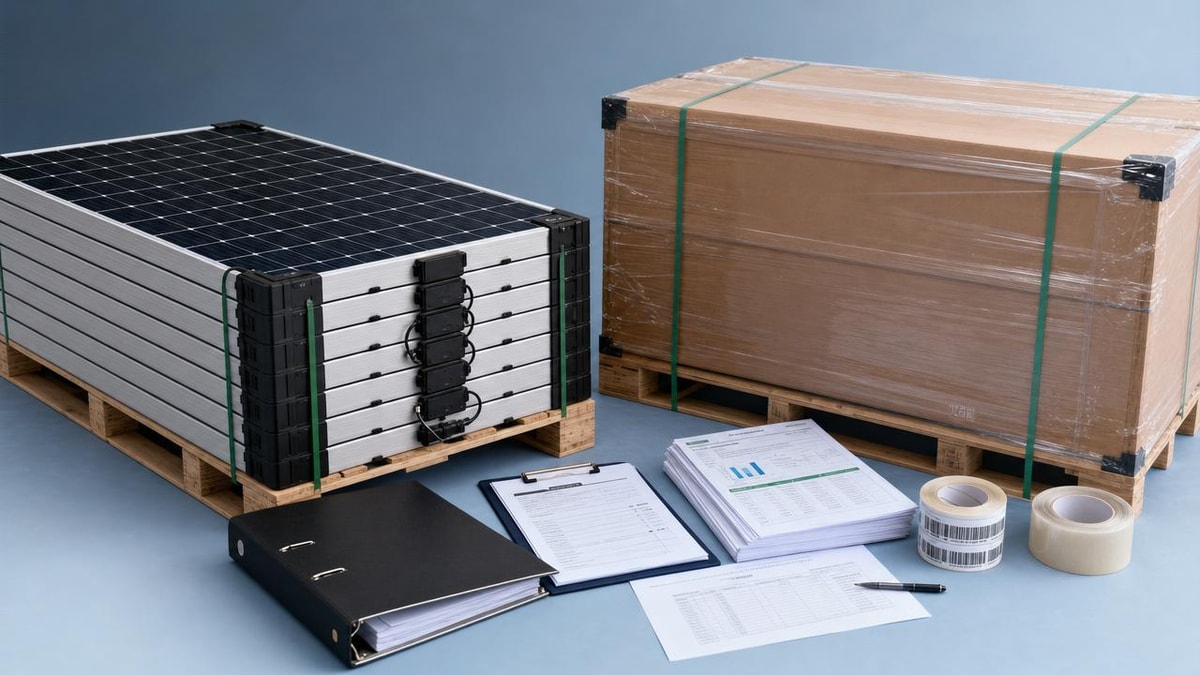
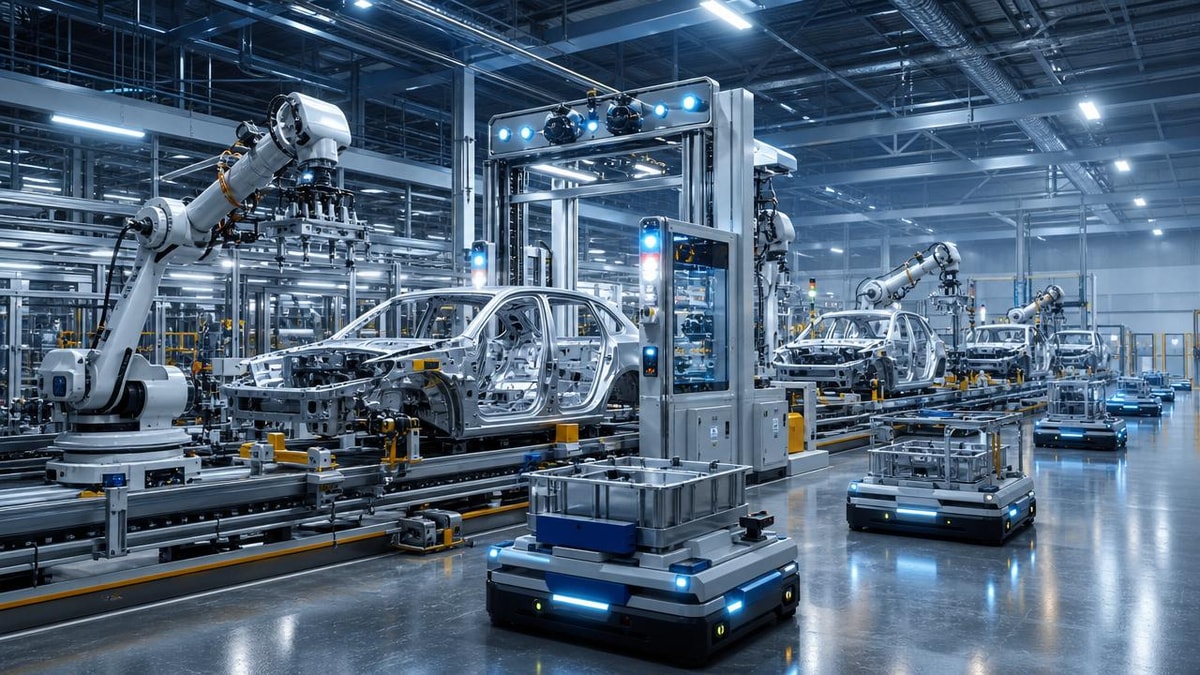
In practical terms, factory automation systems cost-effective planning often starts with one line, one station, or one process instead of a plant-wide transformation. A manufacturer may automate labeling, packaging, inspection, palletizing, machine tending, or material tracking long before committing to a fully integrated smart factory roadmap. This phased approach helps leadership teams validate assumptions with real production data.
For enterprise buyers and operations leaders, the real question is not whether automation is valuable in theory. The question is whether a specific automation project can reduce waste, shorten cycle time, improve traceability, or stabilize labor-dependent output within a timeframe the business can support. That is why cost-effective decision-making is closely tied to ROI visibility, implementation speed, and compatibility with existing assets.
Why do successful automation projects often start smaller than expected?
Many executives assume automation only becomes meaningful at large scale. In reality, smaller projects often create the strongest business case because they are easier to measure, easier to implement, and less disruptive to ongoing production. A narrowly defined pilot also helps teams learn how equipment, software, operators, maintenance staff, and suppliers must work together.
There are several reasons why phased deployment outperforms all-at-once modernization in many environments:
- Lower upfront capital exposure
- Faster learning cycles for engineering and plant teams
- Clearer before-and-after performance comparisons
- Reduced downtime risk during installation
- Greater internal buy-in after visible early wins
This matters across industries, especially where margins are under pressure and labor availability is uneven. A smaller automation step can reveal whether broader investments make sense. It also prevents companies from overengineering solutions before confirming operational priorities.

Which processes are usually the best starting points for factory automation systems cost-effective investments?
The best starting points are usually not the most complex processes. They are the processes where pain is frequent, measurable, and expensive. Decision-makers should look for activities with repetitive manual handling, error-prone documentation, frequent rework, operator fatigue, inconsistent output, or production delays tied to staffing gaps.
Typical high-potential entry points include end-of-line packaging, visual inspection, barcode or RFID-based traceability, palletizing, machine loading and unloading, conveyor integration, and basic production monitoring. These areas often offer a strong balance between technical feasibility and financial impact.
A useful way to prioritize is to ask four questions:
- Does this process create daily delays or quality variation?
- Can performance improvement be measured in labor hours, scrap, uptime, or output?
- Can automation be integrated without redesigning the entire facility?
- Will this project generate lessons that support future automation phases?
If the answer is yes to most of these questions, the process is a strong candidate. In many cases, factory automation systems cost-effective initiatives gain momentum because they begin with a bottleneck everyone in the plant already understands.
How should decision-makers compare automation opportunities before approving a budget?
Budget approval should not rely on vendor promises alone. It should be based on a structured comparison that links technical scope to business outcomes. The most reliable evaluations combine cost, implementation effort, scalability, workforce impact, and operational resilience.
The table below can help procurement leaders, plant managers, and operations executives compare opportunities in a disciplined way.
A disciplined review process also strengthens supplier selection. TradeNexus Pro regularly sees that higher-performing automation programs are built on cross-functional evaluation, not siloed decisions. Engineering, operations, procurement, quality, and finance should all participate, because each function sees different risks and gains.
What are the most common mistakes companies make when pursuing cost-effective automation?
One of the biggest mistakes is assuming that automation automatically guarantees savings. Poorly scoped projects can introduce integration complexity, maintenance burden, and adoption friction that weaken the business case. Another common mistake is focusing only on equipment price while ignoring engineering hours, operator training, software configuration, and long-term support.
Several recurring pitfalls deserve attention:
- Automating an unstable process before standardizing it
- Choosing technology that cannot integrate with current workflows
- Underestimating change management and workforce training
- Measuring success only by labor reduction instead of total process improvement
- Starting with a highly customized system that is difficult to replicate
For decision-makers, the lesson is straightforward: factory automation systems cost-effective planning depends on process clarity before technology selection. If a process is inconsistent, undocumented, or frequently interrupted by upstream issues, automation may amplify inefficiency instead of removing it. Standard work, baseline data, and production discipline should come first.
How can leaders estimate ROI without oversimplifying the business case?
ROI should be broader than labor replacement. Many of the strongest automation outcomes come from scrap reduction, higher first-pass yield, better traceability, more predictable scheduling, improved safety, reduced overtime, and fewer disruptions caused by hard-to-fill positions. These effects are often financially material, even when headcount remains stable.
A useful ROI model typically includes direct gains, avoided costs, and strategic value. Direct gains may include cycle-time improvement or fewer defects. Avoided costs may include lower turnover dependence, fewer shipment errors, or reduced rework. Strategic value may include stronger customer confidence, audit readiness, and better responsiveness to demand changes.
Leaders should also model implementation variables such as commissioning time, maintenance readiness, spare parts availability, and operator learning curves. The goal is not to make the project look conservative or aggressive. The goal is to make it believable. In executive review settings, realistic assumptions build more trust than optimistic headline savings.
What should enterprises ask suppliers before moving forward?
The right supplier conversation goes beyond product catalogs. Buyers should ask how the provider defines success, how integration is handled, what support model exists after commissioning, and whether the solution is designed to scale. This is especially important for companies building a multi-phase modernization strategy.
Helpful pre-purchase questions include:
- What similar applications have you implemented, and what results were achieved?
- What plant data do you need to size the solution accurately?
- What downtime should we expect during installation and commissioning?
- How will operators, maintenance teams, and supervisors be trained?
- What KPIs should we track in the first 30, 60, and 90 days?
- How modular is the architecture if we expand later?
These questions help organizations avoid buying in isolation. They also create a stronger foundation for vendor comparison, contract clarity, and post-launch accountability. In fast-moving sectors covered by TradeNexus Pro, supplier transparency and execution capability often matter as much as the equipment itself.
When is a company ready to scale from a pilot to broader automation deployment?
A company is usually ready to scale when a pilot has delivered measurable performance gains, internal stakeholders trust the implementation process, and the next use cases are already visible. Scaling should not happen only because the first project worked technically. It should happen because the organization now has better data, stronger cross-functional alignment, and a clearer roadmap for where additional automation will create value.
Readiness signals include repeatable operating procedures, KPI improvements sustained over time, documented support requirements, and a realistic expansion budget. Just as important, plant teams should understand what conditions made the first project successful so those conditions can be replicated elsewhere.
Factory automation systems cost-effective growth is rarely about speed alone. It is about sequencing. Enterprises that automate in the right order usually gain more resilience than those that pursue fragmented technology purchases without a shared operational plan.
What is the smartest next step for decision-makers evaluating automation now?
The smartest next step is to identify one process where automation can solve an immediate business problem with measurable impact. That means building a short list of candidate processes, gathering baseline performance data, defining success metrics, and comparing solution paths with both technical and financial discipline. For many firms, this is the point where factory automation systems cost-effective strategy becomes tangible rather than aspirational.
If you need to confirm a practical direction, start the conversation around a few essentials: the process bottleneck, expected throughput change, integration requirements, downtime tolerance, internal team readiness, project timeline, and target payback window. Once those questions are clear, it becomes much easier to evaluate suppliers, estimate risk, and decide whether a focused pilot or a broader phased rollout is the better path forward.
Get weekly intelligence in your inbox.
No noise. No sponsored content. Pure intelligence.
 May 02, 2026Commercial EV Charging Installation Costs Beyond the HardwareCommercial EV Charging Installation Costs Beyond the Hardware
 May 02, 2026Portable EV Charging Solutions: Where They Actually FitPortable EV Charging Solutions: Where They Actually Fit
 May 02, 2026Why Automotive Aluminum Extrusions Fail at Joining PointsWhy Automotive Aluminum Extrusions Fail at Joining Points
 May 02, 2026Sheet Metal Bending Services in the USA: What Drives Lead TimeSheet Metal Bending Services in the USA: What Drives Lead Time
 May 02, 2026Cost-Effective Factory Automation Often Starts Smaller Than ExpectedCost-Effective Factory Automation Often Starts Smaller Than Expected
 May 02, 2026Choosing a Solar Panels Wholesale Distributor Without Price TrapsChoosing a Solar Panels Wholesale Distributor Without Price Traps
 May 02, 2026High Efficiency PV Modules: When the Premium Makes SenseHigh Efficiency PV Modules: When the Premium Makes Sense
 May 02, 2026Why Data Centers Are Rethinking ESS Backup StrategyWhy Data Centers Are Rethinking ESS Backup Strategy
 May 02, 2026Do Agricultural PV Modules Need Different Frame Designs?Do Agricultural PV Modules Need Different Frame Designs?
 May 02, 2026How to Vet an OEM Machined Parts Supplier in GermanyHow to Vet an OEM Machined Parts Supplier in Germany
 May 02, 2026Custom Metal Fabrication for Aerospace: Cost vs CertificationCustom Metal Fabrication for Aerospace: Cost vs Certification
 May 02, 2026What Slows Rapid Prototyping for Automotive Parts MostWhat Slows Rapid Prototyping for Automotive Parts Most
 May 02, 2026Rapid Prototyping Choices That Cut Delays in Consumer ElectronicsRapid Prototyping Choices That Cut Delays in Consumer Electronics
 May 02, 2026Why Aerospace Parts Need More Than Tight Lathe TurningWhy Aerospace Parts Need More Than Tight Lathe Turning
 May 02, 2026What Fireproof Technology Really Changes in Lithium BatteriesWhat Fireproof Technology Really Changes in Lithium Batteries
 May 02, 2026Are Grid-Tied Hybrid Inverters Enough for Unstable Supply?Are Grid-Tied Hybrid Inverters Enough for Unstable Supply?
 May 02, 2026What a Solar Panels Wholesale Price List Does Not ShowWhat a Solar Panels Wholesale Price List Does Not Show
 May 02, 2026How Long Life Cycle Batteries Lower Replacement CostsHow Long Life Cycle Batteries Lower Replacement Costs
 May 02, 2026Lathe Turning Tolerances That Matter in Industrial MachineryLathe Turning Tolerances That Matter in Industrial Machinery
 May 02, 2026ESS for Commercial Buildings: Sizing Mistakes to AvoidESS for Commercial Buildings: Sizing Mistakes to Avoid
 May 02, 2026Warehouse Robotics Bottlenecks That Slow Automation ROIWarehouse Robotics Bottlenecks That Slow Automation ROI
 May 02, 2026Where Smart Manufacturing Pays Off First in Auto PlantsWhere Smart Manufacturing Pays Off First in Auto Plants
 May 02, 2026Marine Aluminum Extrusions: What Corrosion Ratings MissMarine Aluminum Extrusions: What Corrosion Ratings Miss
 May 02, 2026Plastic Injection Molding Machine Specs That Affect OutputPlastic Injection Molding Machine Specs That Affect Output
 May 02, 2026What Limits 5 Axis Milling Accuracy for Medical Devices?What Limits 5 Axis Milling Accuracy for Medical Devices?
 May 02, 2026How to Compare a Die Casting Parts Manufacturer in ChinaHow to Compare a Die Casting Parts Manufacturer in China
 May 02, 2026Why Oil and Gas Projects Still Rely on Steel ForgingWhy Oil and Gas Projects Still Rely on Steel Forging