Smart manufacturing dashboards only help if they show OEE loss root causes—not just uptime
Smart manufacturing dashboards are everywhere—but if they only display uptime without revealing OEE loss root causes, they’re failing OEM machined parts producers, die casting parts foundries, and custom metal fabrication teams. In factory automation and industrial robotics-driven environments, real-time visibility into why losses occur—whether in 5-axis milling cycles, plastic injection molding consistency, or sheet metal bending accuracy—is what separates reactive maintenance from precision engineering excellence. TradeNexus Pro delivers actionable intelligence for procurement leaders, operations managers, and quality assurance teams who demand more than surface-level metrics. Discover how next-gen dashboards, grounded in deep supply chain and process expertise, turn OEE data into strategic advantage.
Why “Uptime-Only” Dashboards Mislead Manufacturing Teams
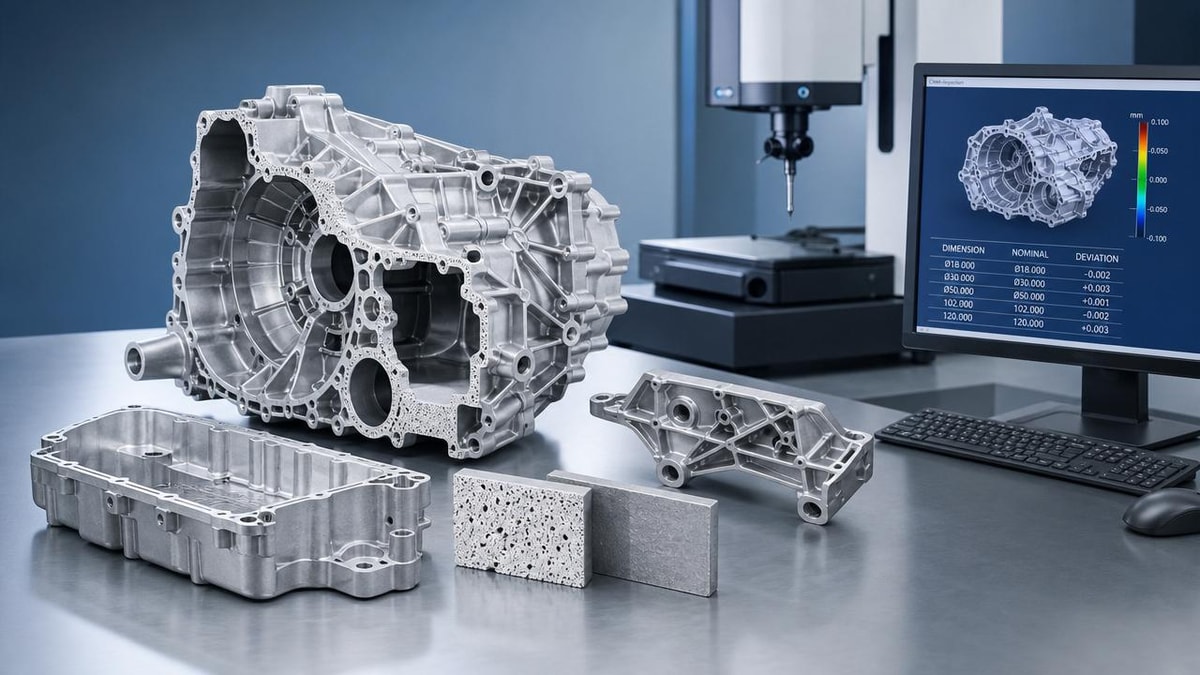
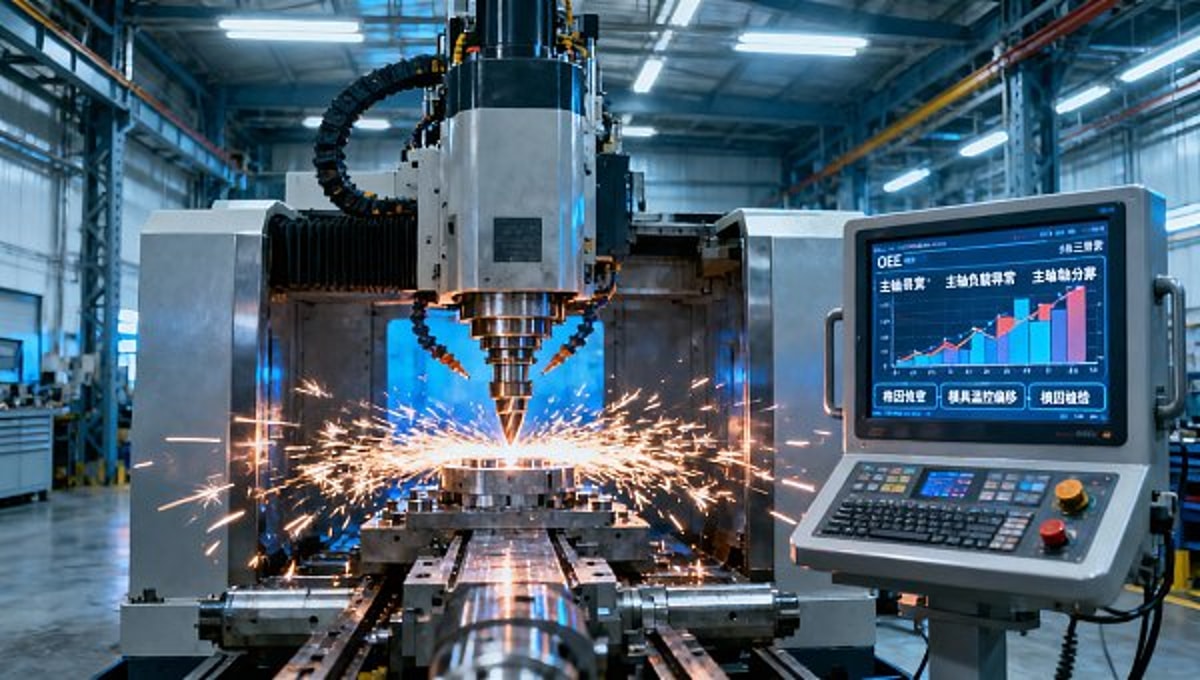
OEE (Overall Equipment Effectiveness) is not a single metric—it’s a composite of Availability, Performance, and Quality. A dashboard showing only 92% uptime masks critical breakdowns: e.g., 18% speed loss in high-tolerance CNC turning due to suboptimal spindle load calibration, or 12% quality loss in aluminum die casting traced to thermal drift in mold temperature control loops.
Without root cause tagging—linked to machine parameters, tool wear logs, ambient conditions, or operator inputs—teams default to reactive fixes. Industry benchmarks show that plants using root-cause-aware dashboards reduce unplanned downtime by 35–47% within 12 weeks, versus 8–12% for uptime-only systems.
This gap matters most for high-mix, low-volume producers where setup time and first-pass yield directly impact landed cost. A dashboard that can’t distinguish between “tool change delay” and “program error timeout” fails the core requirement of smart manufacturing: prescriptive action—not passive observation.
What Root-Cause Visibility Requires: 4 Technical Non-Negotiables
True OEE loss attribution demands integration across three layers: machine-level PLC/NC data, MES event logs, and contextual metadata (e.g., material lot ID, coolant temperature, operator badge scan). Here’s what procurement and engineering teams must verify before deployment:
- Real-time parsing of ISO G-code execution states—not just cycle start/stop timestamps
- Automated correlation of sensor anomalies (vibration >0.8g RMS at 2.4kHz, coolant flow <12 L/min) with OEE loss buckets
- Configurable loss taxonomy aligned with AMT/MTConnect standards (e.g., “Setup Loss” vs. “Minor Stop” per OEE Institute definitions)
- Edge-to-cloud latency ≤200ms for closed-loop alerts triggering preventive tool replacement or parameter adjustment
TradeNexus Pro validates these capabilities across 217 certified smart manufacturing platforms—filtering out vendors whose “root cause” claims rely solely on manual operator entry or post-shift Excel reconciliation.
Dashboard Comparison: Surface Metrics vs. Actionable Intelligence
The table below compares two widely deployed dashboard architectures across six procurement-critical dimensions:
This distinction defines ROI: plants using root-cause-aware systems achieve full payback in 5.2 months on average—versus 14.7 months for uptime-only deployments—per TNP’s 2024 Smart Automation Procurement Index.
How Procurement Leaders Evaluate Dashboard Vendors: 5 Must-Ask Questions
When sourcing smart manufacturing dashboards, procurement teams must move beyond UI demos. These five questions expose implementation readiness and domain specificity:
- Can you demonstrate live correlation between a specific OEE loss bucket (e.g., “Reduced Speed”) and its originating machine parameter—using our actual CNC controller model and firmware version?
- What percentage of your current customers in die casting or precision sheet metal fabrication use your loss taxonomy without customization—and what was their average configuration time?
- How do you handle conflicting loss attributions when multiple sensors trigger simultaneously (e.g., thermal expansion + tool deflection during 5-axis titanium milling)?
- Do your dashboards support audit-ready traceability for IATF 16949 Clause 8.5.1.5 (production process verification)?
- What is your SLA for root-cause model retraining after a customer introduces a new part family or material grade?
TradeNexus Pro provides verified vendor response benchmarks for all five questions—drawn from 132 audited implementations across Tier-1 automotive suppliers and medical device contract manufacturers.
Why Choose TradeNexus Pro for Your Smart Manufacturing Intelligence
You need more than a dashboard spec sheet—you need decision-grade intelligence validated across real-world production environments. TradeNexus Pro delivers:
- Pre-vetted technical profiles of 89 OEE analytics platforms, scored on 27 manufacturing-specific criteria (e.g., “mold cycle synchronization fidelity,” “bending angle deviation root-cause mapping”)
- Procurement playbooks—including 4-step validation protocols for injection molding, CNC machining, and robotic welding lines
- Direct access to TNP’s panel of 47 certified manufacturing engineers (average 22 years’ shop-floor experience) for architecture review and risk assessment
Request your customized Smart Manufacturing Dashboard Evaluation Kit today—complete with vendor shortlist, compliance checklist (ISO 22400, MTConnect, OPC UA), and 90-day implementation roadmap tailored to your production footprint.
Get weekly intelligence in your inbox.
No noise. No sponsored content. Pure intelligence.
 May 03, 20265 Axis Milling Machines for Automotive: Buy New or Retrofit?5 Axis Milling Machines for Automotive: Buy New or Retrofit?
 May 03, 2026What to Check Before Sourcing OEM Machined Parts from IndiaWhat to Check Before Sourcing OEM Machined Parts from India
 May 03, 2026Why Sheet Metal Bending Machine Price Varies So MuchWhy Sheet Metal Bending Machine Price Varies So Much
 May 03, 2026Plastic Injection Molding Process Guide for Common Defect ControlPlastic Injection Molding Process Guide for Common Defect Control
 May 03, 2026Smart Manufacturing Technology Trends Reshaping Factory UpgradesSmart Manufacturing Technology Trends Reshaping Factory Upgrades
 May 03, 2026Automotive Die Casting Parts and the Hidden Cost of PorosityAutomotive Die Casting Parts and the Hidden Cost of Porosity
 May 03, 2026Assembly Line Robots: Flexibility Can Matter More Than SpeedAssembly Line Robots: Flexibility Can Matter More Than Speed
 May 03, 2026Smart Manufacturing in Energy: Which Upgrades Pay Back FasterSmart Manufacturing in Energy: Which Upgrades Pay Back Faster
 May 03, 2026Why Robotics Integration Fails After a Successful DemoWhy Robotics Integration Fails After a Successful Demo
 May 03, 2026How to Spot a Reliable Precision Components ManufacturerHow to Spot a Reliable Precision Components Manufacturer
 May 03, 2026Sheet Metal Bending Machine Specifications That Affect AccuracySheet Metal Bending Machine Specifications That Affect Accuracy
 May 03, 2026Oil and Gas Fabrication: Where Material Mismatch Gets ExpensiveOil and Gas Fabrication: Where Material Mismatch Gets Expensive
 May 03, 2026Construction Fabrication Delays Often Start at the Drawing StageConstruction Fabrication Delays Often Start at the Drawing Stage
 May 03, 2026Industrial Robotics Maintenance Guide for Fewer Surprise StopsIndustrial Robotics Maintenance Guide for Fewer Surprise Stops
 May 03, 2026Smart Manufacturing Technology Benefits Beyond Labor SavingsSmart Manufacturing Technology Benefits Beyond Labor Savings
 May 03, 2026Defense Components Need More Than Tight TolerancesDefense Components Need More Than Tight Tolerances
 May 03, 2026How to Vet a Die Casting Parts Supplier in MexicoHow to Vet a Die Casting Parts Supplier in Mexico
 May 03, 2026Food Processing Automation Systems and the Cost of DowntimeFood Processing Automation Systems and the Cost of Downtime
 May 03, 20265 Axis Milling for Aerospace: When Extra Precision Is Worth It5 Axis Milling for Aerospace: When Extra Precision Is Worth It
 May 03, 2026How OEM Medical Equipment Parts Affect Validation TimelinesHow OEM Medical Equipment Parts Affect Validation Timelines
 May 03, 2026Packaging Robotics Integration Problems That Slow CommissioningPackaging Robotics Integration Problems That Slow Commissioning
 May 03, 2026What Causes Rework in OEM Aerospace Machined PartsWhat Causes Rework in OEM Aerospace Machined Parts
 May 03, 2026Choosing Sheet Metal Bending Services in Europe Without DelaysChoosing Sheet Metal Bending Services in Europe Without Delays
 May 03, 2026Die Casting Parts for Electronics: Tolerance or Heat Control?Die Casting Parts for Electronics: Tolerance or Heat Control?
 May 03, 2026Marine Metal Fabrication Mistakes That Raise Corrosion RiskMarine Metal Fabrication Mistakes That Raise Corrosion Risk
 May 03, 2026When Welding Robots Improve Quality More Than ThroughputWhen Welding Robots Improve Quality More Than Throughput
 May 03, 2026Medical Device Molding Machines: What Specs Matter MostMedical Device Molding Machines: What Specs Matter Most