How to Compare a Precision Engineering Components Supplier
Choosing the right precision engineering components supplier can directly affect product quality, lead times, compliance, and total procurement cost. For purchasing professionals, a smart comparison goes beyond unit price to assess manufacturing capability, quality systems, technical support, and supply reliability. This guide outlines the key criteria to help you evaluate suppliers with greater confidence and make better-informed sourcing decisions.
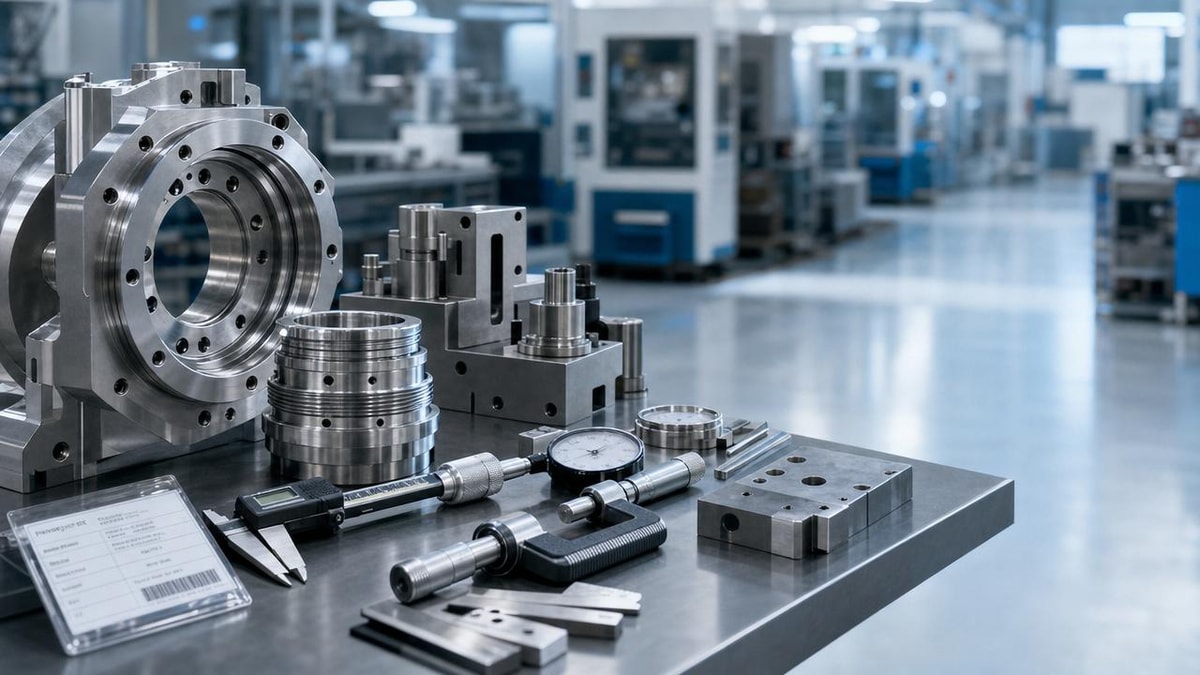
In sectors such as advanced manufacturing, smart electronics, healthcare technology, green energy equipment, and industrial automation, component tolerances are often measured in microns, not millimeters. A weak supplier can create hidden costs through scrap, delayed qualification, unstable batches, or repeated engineering changes. A strong precision engineering components supplier, by contrast, supports continuity across prototyping, pilot runs, and full production.
For procurement teams, the challenge is not simply finding a capable machine shop. It is building a comparison framework that tests process fit, quality discipline, responsiveness, scalability, and commercial transparency. The sections below break that framework into practical criteria you can use during RFQ review, supplier audits, sample validation, and contract negotiation.
Define the Scope Before You Compare Suppliers
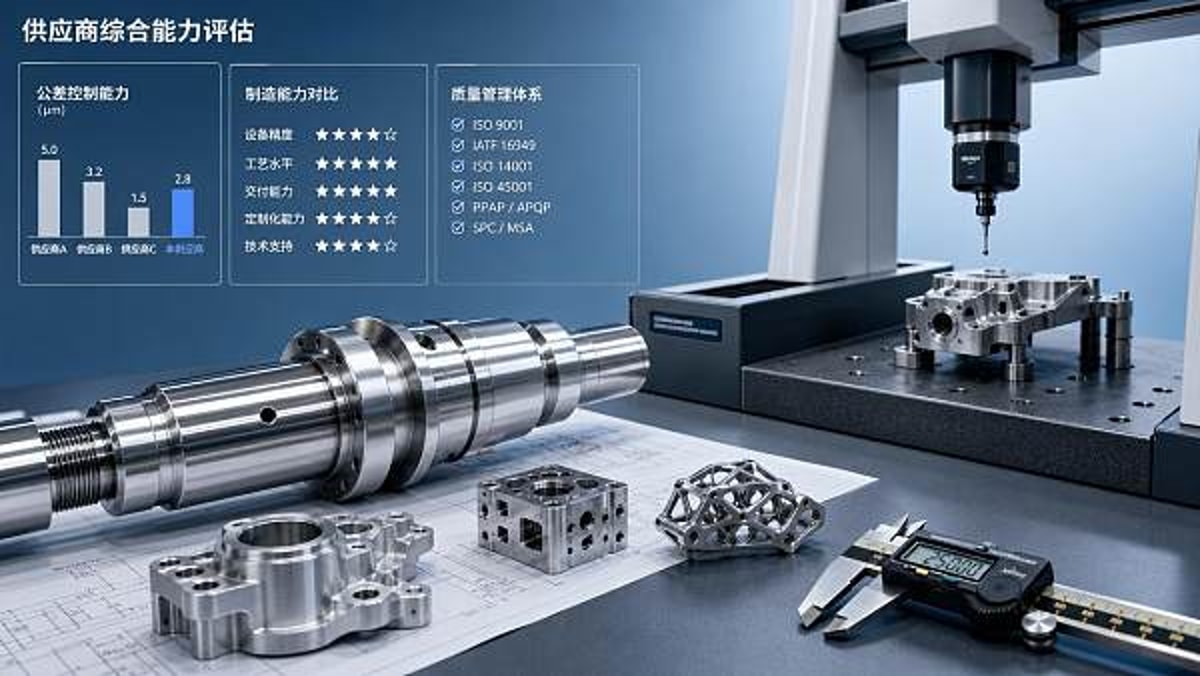
Many sourcing mistakes happen before supplier evaluation even begins. If your RFQ package lacks clear drawings, tolerance bands, material specifications, surface finish requirements, or annual volume forecasts, even an experienced precision engineering components supplier may quote against incomplete assumptions. That makes side-by-side comparison unreliable from day 1.
A stronger process starts with a 4-part sourcing brief: technical drawing set, quality requirements, demand profile, and delivery model. For example, a buyer comparing CNC-machined shafts for medical equipment will need very different checkpoints than a buyer sourcing stamped contacts for smart electronics. The more precise your input, the more meaningful your supplier shortlist becomes.
Clarify the Component Profile
Before requesting quotations, define at least 6 baseline variables: material grade, dimensional tolerance, surface treatment, batch size, inspection plan, and target lead time. Typical tolerance expectations may range from ±0.01 mm to ±0.05 mm depending on the component function, while prototype quantities may be under 50 pieces and annual production demand may exceed 20,000 pieces.
Without this baseline, one precision engineering components supplier may quote using standard inspection and local material stock, while another may include 100% dimensional inspection, imported material, and a dedicated fixture. The lower quote is not always the more economical one once risk and rework are included.
Questions procurement should answer internally
- Is the requirement for prototype, pilot run, or serial production?
- What is the acceptable tolerance band: ±0.1 mm, ±0.02 mm, or tighter?
- Are there special materials such as stainless steel, aluminum alloys, copper, PEEK, or engineering plastics?
- Will the part require post-processing such as anodizing, plating, heat treatment, passivation, or laser marking?
- What is the expected replenishment cycle: weekly, monthly, or quarterly?
Use a Standardized Comparison Matrix
A structured matrix helps buyers compare more than price. The table below outlines practical criteria that matter when screening a precision engineering components supplier for industrial and cross-sector B2B purchasing needs.
The key takeaway is that procurement should score each area separately. A supplier with a 5% lower unit price may still be the weaker choice if lead times are 2 weeks longer, inspection records are limited, or engineering queries take 3 to 5 business days to answer.
Evaluate Core Capability, Quality Control, and Process Fit
The most important part of comparing any precision engineering components supplier is confirming whether process capability matches the actual part requirements. Buyers often receive polished quotations that look similar on paper, yet the real difference lies in machine capability, process discipline, and the supplier’s experience with comparable parts.
Check Manufacturing Breadth and Depth
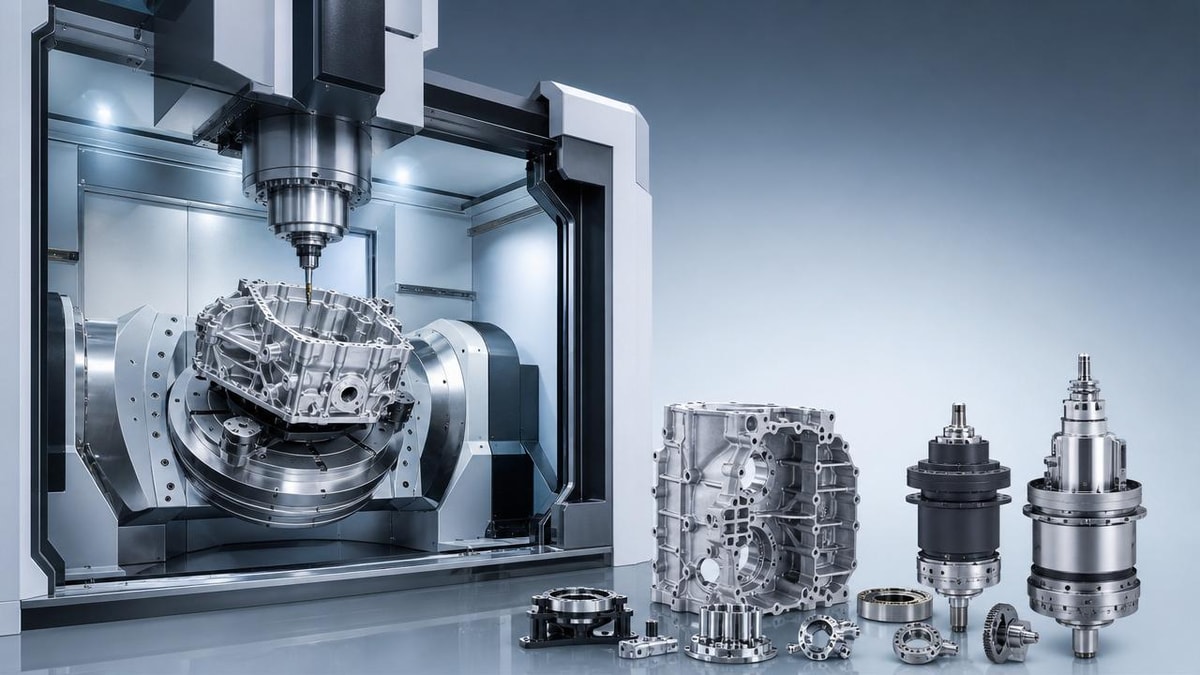
A qualified supplier should be able to explain not only what processes it offers, but also where those processes perform best. For example, 3-axis and 5-axis CNC machining serve different complexity levels; grinding may be essential for final dimensional stability; EDM may be required for tight internal features; and stamping may be more economical than machining once annual demand crosses several thousand units.
Ask for practical limits. Useful examples include minimum hole diameter, maximum part envelope, achievable flatness, repeatability across batches, and standard setup time. If a supplier cannot explain these operating windows in concrete terms, its quoting accuracy may be weak.
Capability checkpoints to verify
- Can the supplier hold your critical tolerance consistently over 3 consecutive batches?
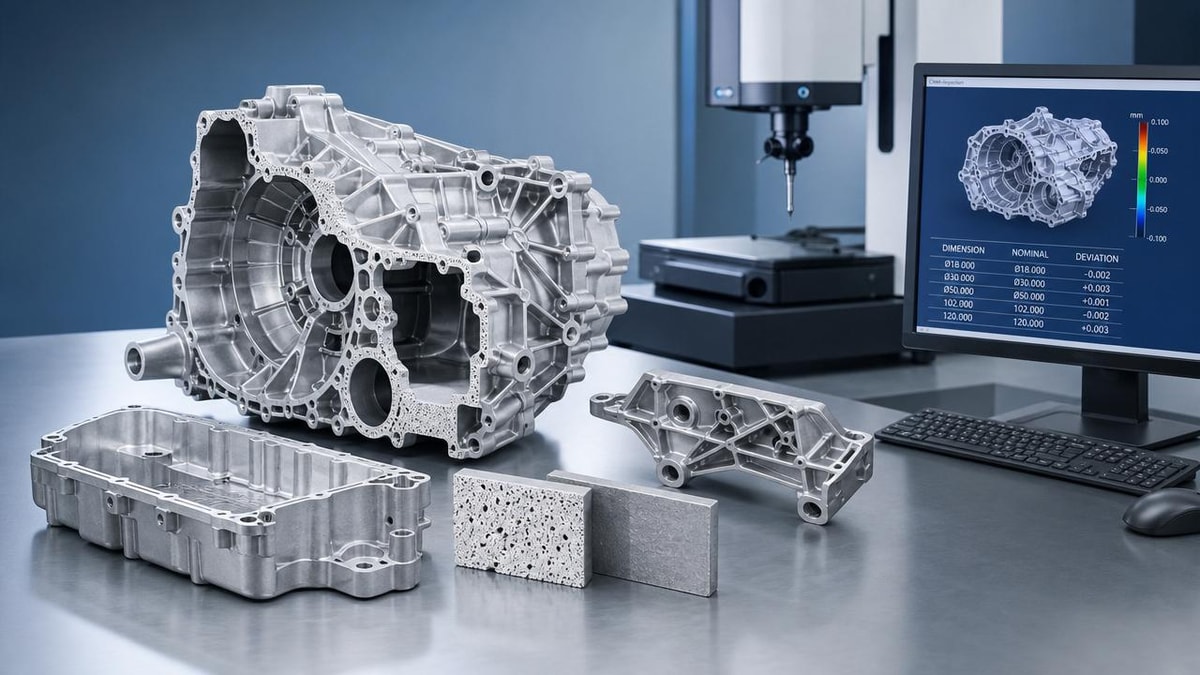
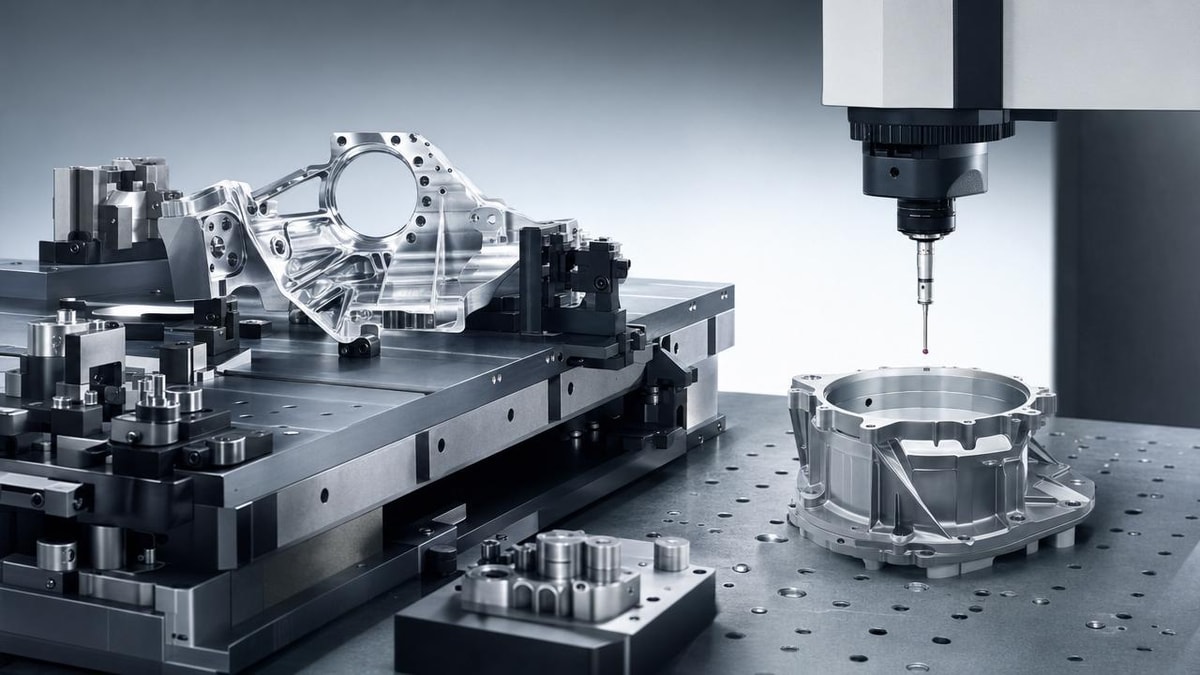
- Does it have in-house metrology such as CMM, height gauges, surface roughness testers, or optical inspection?
- Are secondary operations managed internally or through external subcontractors?
- Can it support both low-volume prototyping and repeat production within the same control plan?
- What percentage of jobs require manual intervention versus fixture-based repeatability?
Assess Quality Control Beyond Certificates
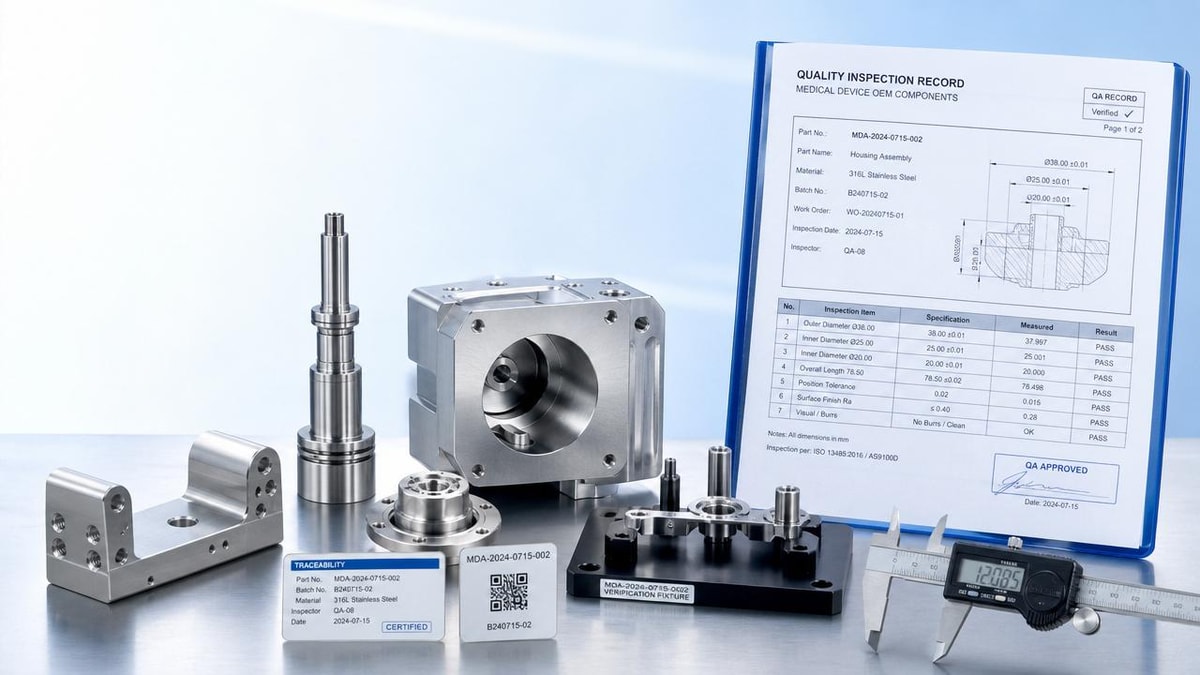
A certificate alone does not guarantee stable performance. Buyers should review how the precision engineering components supplier controls variation during the full production cycle. In practical terms, that means checking first article approval, in-process sampling frequency, nonconformance handling, root-cause response time, and traceability by material lot or work order.
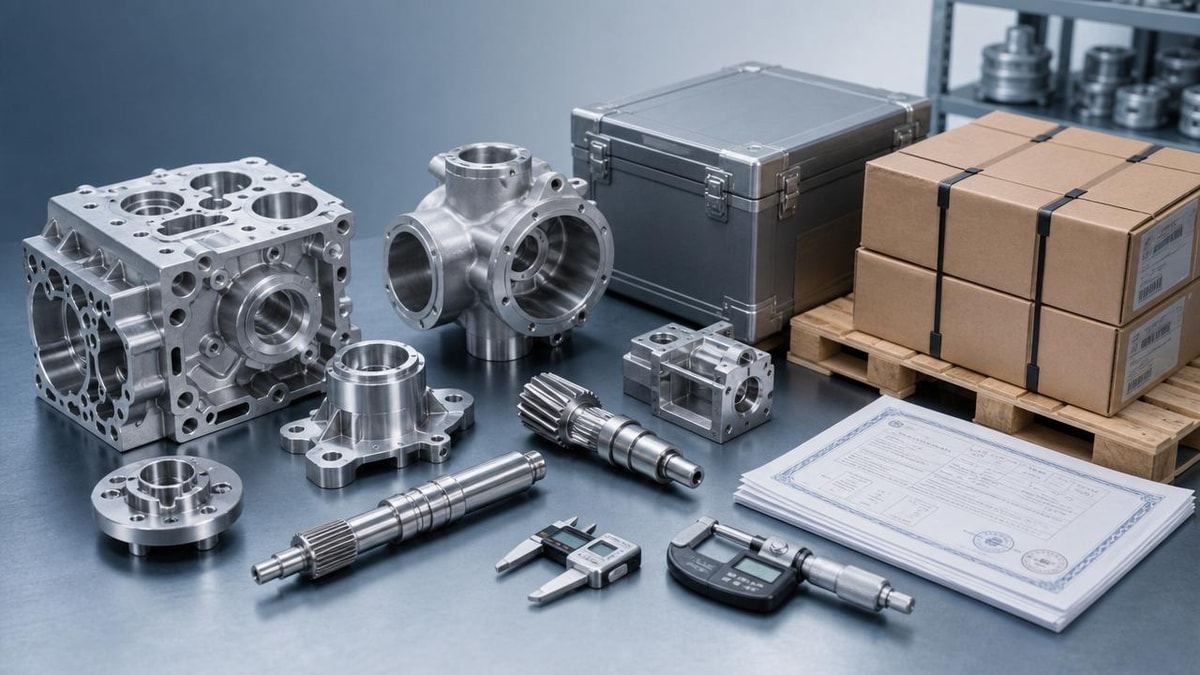
For higher-risk components, especially those used in healthcare devices, battery systems, sensors, or connector assemblies, it is reasonable to ask for first article inspection reports, dimensional layouts, and sample retention procedures. A mature supplier should also define containment actions within 24 to 48 hours when quality issues occur.
The comparison table below can help buyers distinguish basic quality control from production-grade discipline when selecting a precision engineering components supplier.
For procurement, the difference between these two levels is significant. Stronger process control usually reduces quality escapes, speeds up issue closure, and lowers the total cost of supplier management over a 12-month sourcing cycle.
Review Material and Secondary Process Management
Many purchasing teams focus on machining capability but overlook material and finishing risks. Yet plating quality, heat treatment distortion, coating adhesion, burr control, and cleanliness can all determine whether a precision component passes assembly or field use. This is especially relevant in electronics housings, fluid-control parts, miniature brackets, and wear-critical moving elements.
Ask whether secondary processes are in-house or managed by approved subcontractors. If outsourced, buyers should request details on lead time impact, inspection responsibility, and failure handling. A supplier that outsources 3 finishing steps may add 5 to 10 days to the total schedule and increase coordination risk if controls are weak.
Compare Delivery Reliability, Commercial Terms, and Responsiveness
A precision engineering components supplier may be technically strong but still create operational problems if delivery reliability is inconsistent. For buyers working in multi-site manufacturing or regulated supply chains, late shipments can trigger line stoppages, premium freight, and safety-stock inflation. That is why logistics discipline should be scored as carefully as machining quality.
Measure Lead Time Performance Realistically
Prototype lead times for machined parts often fall in the 7 to 15 day range, while repeat production may take 2 to 6 weeks depending on complexity, fixture needs, and outside processing. Buyers should ask suppliers to separate quotation lead time from actual manufacturing lead time, and to define what conditions can extend delivery by more than 20%.
It is also useful to compare scheduling models. Some suppliers run purely make-to-order, while others can hold raw stock, safety stock, or kanban replenishment for selected parts. In volatile sectors such as green energy systems or electronics assemblies, that flexibility can be more valuable than a modest unit-price advantage.
Delivery questions worth asking
- What is the standard lead time for prototypes, pilot lots, and mass production orders?
- How often are on-time delivery metrics reviewed: weekly or monthly?
- Can the supplier support blanket orders with scheduled releases over 3 to 12 months?
- What is the expedite policy if demand surges by 15% to 30%?
- How are packaging, export labeling, and shipment traceability handled?
Look Beyond Unit Price to Total Procurement Cost
A low quoted part price can be offset by setup charges, tooling amortization, scrap replacement, inspection add-ons, packaging fees, and freight exposure. When comparing a precision engineering components supplier, buyers should model total cost over at least 2 scenarios: normal demand and demand fluctuation.
For instance, if Supplier A is 4% cheaper per unit but requires a high MOQ and 6-week replenishment, while Supplier B supports smaller releases every 2 weeks with faster issue response, Supplier B may reduce inventory carrying cost and avoid stockout losses. That broader view matters more than line-item price alone.
Test Communication and Engineering Response Speed
Responsiveness is one of the clearest predictors of future account performance. During sourcing, track how long it takes the supplier to answer technical questions, revise quotations, or clarify drawing conflicts. A capable precision engineering components supplier should normally return basic RFQ feedback within 24 to 72 hours, depending on complexity.
Also assess the quality of those replies. Fast communication is only useful if it includes actionable content such as DFM comments, tolerance concerns, process recommendations, or alternative material suggestions. Procurement and engineering teams benefit most from suppliers that identify manufacturability issues early rather than after production begins.
Run a Practical Supplier Selection Process
Once your shortlist is down to 2 or 3 candidates, decision quality improves when the process becomes evidence-based. Rather than choosing purely on presentation or pricing, build a controlled evaluation path that includes technical review, commercial alignment, and sample verification.
A 5-Step Comparison Workflow
- Issue the same RFQ package to all shortlisted suppliers, including drawings, annual volume, and inspection expectations.
- Score each precision engineering components supplier across at least 5 dimensions: capability, quality, lead time, engineering support, and commercial fit.
- Request sample parts or a pilot lot for critical dimensions and assembly verification.
- Conduct a process audit remotely or on site, focusing on traceability, metrology, and subcontract control.
- Start with a controlled first order and monitor on-time delivery, documentation accuracy, and defect response for 60 to 90 days.
This staged approach reduces transition risk. It also gives procurement teams a factual basis for supplier approval instead of relying on assumptions formed during quotation alone.
Common Mistakes Buyers Should Avoid
One common error is overvaluing equipment lists without validating process discipline. Another is treating sample success as proof of production readiness. A supplier may produce 10 good pieces under close supervision but struggle to maintain the same result over 1,000 units if fixture design, tool life control, or operator training is weak.
Buyers should also avoid assuming that the largest supplier is automatically the best fit. Some high-volume manufacturers are less responsive to low-volume, high-mix projects. In contrast, a smaller but specialized precision engineering components supplier may offer tighter engineering collaboration and faster revision handling for complex parts.
Red flags during evaluation
- Quotes that lack detail on tolerances, materials, or finishing assumptions
- Inability to explain inspection methods for critical dimensions
- Frequent delays in technical communication beyond 3 business days
- Heavy dependence on uncontrolled subcontractors for multiple process steps
- No clear plan for corrective action, replacement timing, or lot containment
Final Procurement Guidance for Long-Term Supplier Value
The best precision engineering components supplier is rarely defined by a single metric. Procurement value comes from balancing cost, process reliability, quality control, and supply continuity over time. Suppliers that communicate clearly, document consistently, and support engineering improvements often deliver stronger long-term value than those competing only on headline price.
For procurement directors and sourcing managers working across advanced manufacturing, healthcare devices, smart electronics, green energy systems, and industrial supply chains, a disciplined comparison model is essential. It helps reduce supplier risk, shorten approval cycles, and improve confidence in both prototype and production sourcing decisions.
If you are evaluating a precision engineering components supplier and need deeper market insight, supplier comparison support, or a more strategic sourcing framework, explore more solutions through TradeNexus Pro. Contact us to discuss your sourcing priorities, request tailored procurement intelligence, or learn more about supplier evaluation strategies for your industry.
Get weekly intelligence in your inbox.
No noise. No sponsored content. Pure intelligence.
 May 03, 20265 Axis Milling Machines for Automotive: Buy New or Retrofit?5 Axis Milling Machines for Automotive: Buy New or Retrofit?
 May 03, 2026What to Check Before Sourcing OEM Machined Parts from IndiaWhat to Check Before Sourcing OEM Machined Parts from India
 May 03, 2026Why Sheet Metal Bending Machine Price Varies So MuchWhy Sheet Metal Bending Machine Price Varies So Much
 May 03, 2026Plastic Injection Molding Process Guide for Common Defect ControlPlastic Injection Molding Process Guide for Common Defect Control
 May 03, 2026Smart Manufacturing Technology Trends Reshaping Factory UpgradesSmart Manufacturing Technology Trends Reshaping Factory Upgrades
 May 03, 2026Automotive Die Casting Parts and the Hidden Cost of PorosityAutomotive Die Casting Parts and the Hidden Cost of Porosity
 May 03, 2026Assembly Line Robots: Flexibility Can Matter More Than SpeedAssembly Line Robots: Flexibility Can Matter More Than Speed
 May 03, 2026Smart Manufacturing in Energy: Which Upgrades Pay Back FasterSmart Manufacturing in Energy: Which Upgrades Pay Back Faster
 May 03, 2026Why Robotics Integration Fails After a Successful DemoWhy Robotics Integration Fails After a Successful Demo
 May 03, 2026How to Spot a Reliable Precision Components ManufacturerHow to Spot a Reliable Precision Components Manufacturer
 May 03, 2026Sheet Metal Bending Machine Specifications That Affect AccuracySheet Metal Bending Machine Specifications That Affect Accuracy
 May 03, 2026Oil and Gas Fabrication: Where Material Mismatch Gets ExpensiveOil and Gas Fabrication: Where Material Mismatch Gets Expensive
 May 03, 2026Construction Fabrication Delays Often Start at the Drawing StageConstruction Fabrication Delays Often Start at the Drawing Stage
 May 03, 2026Industrial Robotics Maintenance Guide for Fewer Surprise StopsIndustrial Robotics Maintenance Guide for Fewer Surprise Stops
 May 03, 2026Smart Manufacturing Technology Benefits Beyond Labor SavingsSmart Manufacturing Technology Benefits Beyond Labor Savings
 May 03, 2026Defense Components Need More Than Tight TolerancesDefense Components Need More Than Tight Tolerances
 May 03, 2026How to Vet a Die Casting Parts Supplier in MexicoHow to Vet a Die Casting Parts Supplier in Mexico
 May 03, 2026Food Processing Automation Systems and the Cost of DowntimeFood Processing Automation Systems and the Cost of Downtime
 May 03, 20265 Axis Milling for Aerospace: When Extra Precision Is Worth It5 Axis Milling for Aerospace: When Extra Precision Is Worth It
 May 03, 2026How OEM Medical Equipment Parts Affect Validation TimelinesHow OEM Medical Equipment Parts Affect Validation Timelines
 May 03, 2026Packaging Robotics Integration Problems That Slow CommissioningPackaging Robotics Integration Problems That Slow Commissioning
 May 03, 2026What Causes Rework in OEM Aerospace Machined PartsWhat Causes Rework in OEM Aerospace Machined Parts
 May 03, 2026Choosing Sheet Metal Bending Services in Europe Without DelaysChoosing Sheet Metal Bending Services in Europe Without Delays
 May 03, 2026Die Casting Parts for Electronics: Tolerance or Heat Control?Die Casting Parts for Electronics: Tolerance or Heat Control?
 May 03, 2026Marine Metal Fabrication Mistakes That Raise Corrosion RiskMarine Metal Fabrication Mistakes That Raise Corrosion Risk
 May 03, 2026When Welding Robots Improve Quality More Than ThroughputWhen Welding Robots Improve Quality More Than Throughput
 May 03, 2026Medical Device Molding Machines: What Specs Matter MostMedical Device Molding Machines: What Specs Matter Most